Understanding Dry Eye Disease and Modern Treatment Options
Written or medically reviewed by Dr. Roxanna Gangi, Optometrist
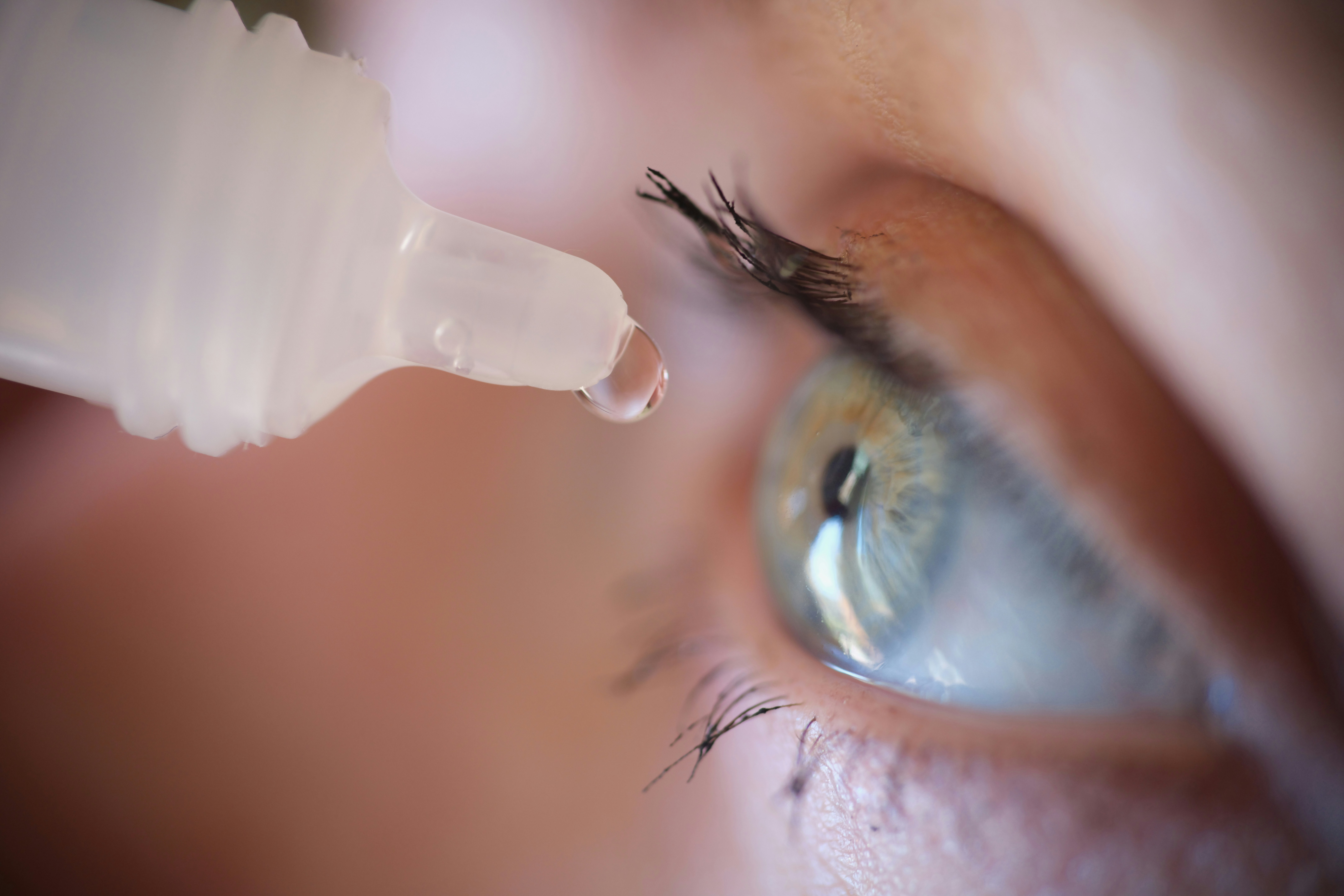
Dry eye disease is a common and multifactorial condition that affects the tear film and ocular surface, often leading to symptoms such as burning, irritation, fluctuating vision, redness, watery eyes, and a sensation of grittiness. Clinically known as Dry Eye Disease, this condition may develop due to decreased tear production, increased tear evaporation, or an imbalance in tear composition. Environmental factors, prolonged digital screen use, aging, hormonal changes, and systemic medical conditions can all contribute to its development.
Many patients are surprised to learn that dry eye disease is not simply caused by a lack of tears. In many cases, the quality of the tear film is the main issue. Healthy tears contain a delicate balance of oil, water, and mucous components that work together to keep the eyes comfortable and the ocular surface protected. When this balance becomes unstable, inflammation and ocular surface damage may occur over time.
One of the most common modern contributors to dry eye symptoms is prolonged screen use. Computers, smartphones, tablets, and digital devices reduce blinking frequency, which increases tear evaporation and eye strain. Patients who spend long hours working on screens often experience worsening symptoms throughout the day, including blurred vision, burning sensations, and eye fatigue.
Aging is another important factor associated with dry eye disease. Tear production naturally decreases over time, especially after the age of 40. Hormonal changes during menopause can significantly increase the risk of dry eye symptoms in women. Certain medications, including antihistamines, antidepressants, blood pressure medications, and acne treatments, may also contribute to dryness and ocular irritation.
A very common underlying cause of dry eye disease is Meibomian Gland Dysfunction, also known as MGD. The meibomian glands are tiny oil producing glands located along the eyelid margins. Their role is to prevent tears from evaporating too quickly. When these glands become blocked or inflamed, tears evaporate faster and symptoms worsen. Blepharitis and eyelid inflammation are also commonly associated with chronic dry eye disease.
Because symptoms do not always correlate directly with clinical findings, a structured and comprehensive eye examination is essential for accurate diagnosis. Dr. Roxanna Gangi provides comprehensive dry eye evaluations that assess tear quality, tear stability, ocular surface health, eyelid condition, and meibomian gland function.
Diagnostic testing for dry eye disease may include tear breakup time evaluation, ocular surface staining, eyelid and meibomian gland assessment, and tear film analysis. Identifying the specific subtype of dry eye disease, whether aqueous deficient, evaporative, or mixed, is important because it directly influences the treatment plan recommended for each patient.
Treatment of dry eye disease is highly individualized and focuses on both symptom relief and addressing the underlying cause. Depending on the severity and subtype of dry eye, management may include lubricating eye drops, eyelid hygiene, warm compresses, environmental modifications, blink training, nutritional support, and reducing excessive screen exposure.
In more advanced cases, prescription therapies or additional procedures may be recommended to improve tear stability and reduce inflammation. Ongoing monitoring is important because untreated chronic dry eye disease can affect visual quality, reading comfort, work productivity, and overall quality of life.
If you are experiencing burning eyes, irritation, blurry vision, watery eyes, or digital eye strain symptoms, scheduling a comprehensive eye examination is an important step toward proper diagnosis and long term relief.
Learn more about available eye care services at:
eye care services with Dr. Roxanna Gangi
To request an appointment with Dr. Roxanna Gangi, visit:
Book an appointment with Dr. Roxanna Gangi
Dr. Roxanna Gangi provides comprehensive dry eye evaluations and eye care services for patients in Aurora, Thornhill, Vaughan, Richmond Hill, and Newmarket.
Dr. Roxanna Gangi welcomes patients across the GTA. See all clinic locations to find the most convenient office for you.
Ready to book your eye exam?
Book an appointment with Dr. Roxanna Gangi today at the Toronto and York Region location most convenient for you.
Book an Appointment