
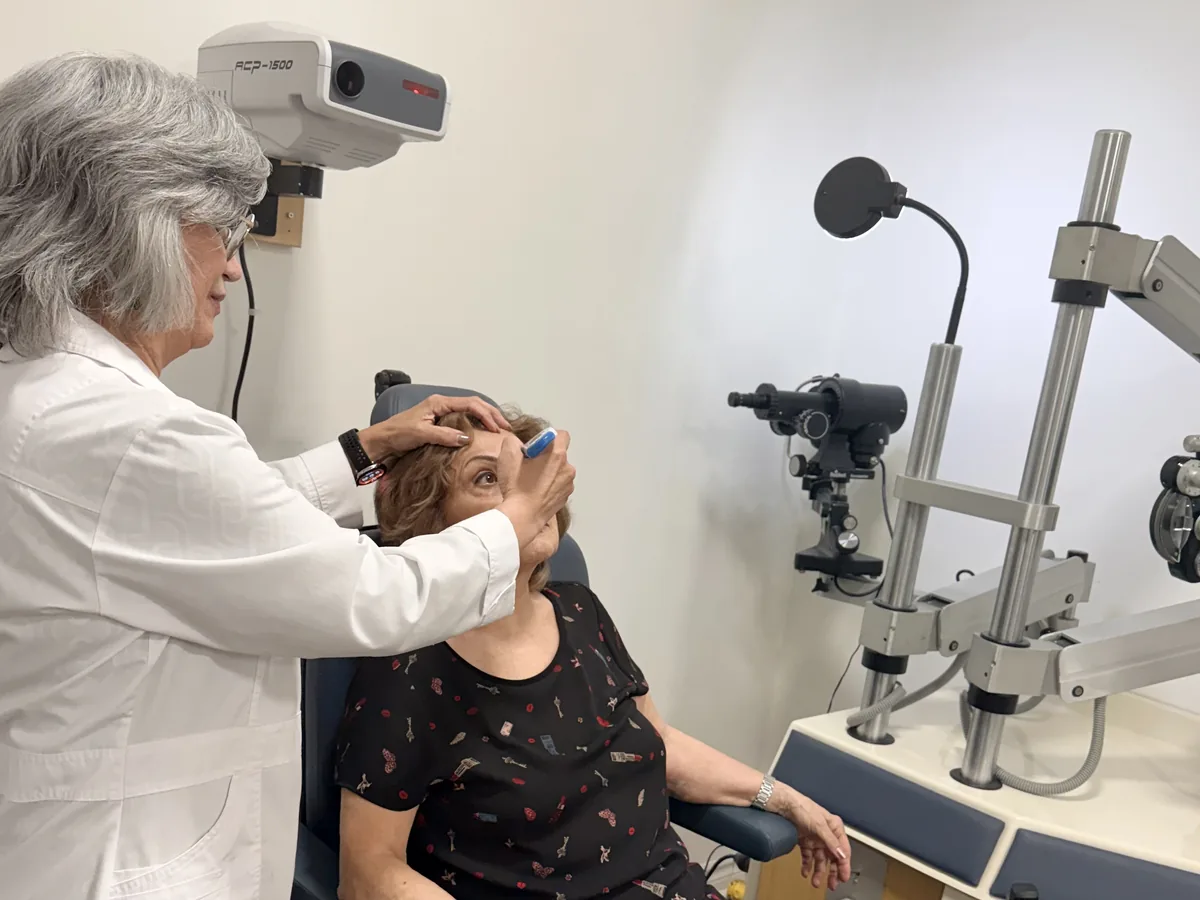
Understanding glaucoma
Glaucoma is a group of eye diseases that gradually damage the optic nerve, most commonly linked to elevated intraocular pressure. Vision loss usually starts in the side vision and progresses slowly, which is why most patients are unaware they have glaucoma until significant damage has already occurred.
The good news: with regular monitoring and timely treatment, glaucoma can almost always be controlled. Dr. Roxanna Gangi screens for glaucoma at every comprehensive eye exam and provides ongoing management for patients diagnosed with the condition or considered at risk (glaucoma suspects).
Who should be screened
Glaucoma usually has no symptoms in its early stages. You should be evaluated, especially yearly, if you have any of the following risk factors:
- Family history of glaucoma
- Age 60 or older
- African, Hispanic, or Asian heritage
- High intraocular pressure (ocular hypertension)
- Diabetes, high blood pressure, or migraine history
- High myopia (strong nearsightedness) or high hyperopia
- Long-term use of steroid medications
- Previous eye injury or eye surgery
What glaucoma evaluation includes
A complete glaucoma assessment goes beyond a simple pressure check. Dr. Roxanna Gangi evaluates the optic nerve in detail, measures intraocular pressure, examines the drainage angle of the eye, and looks for early structural and functional changes.
Depending on your individual risk, additional testing may include OCT imaging of the optic nerve and retinal nerve fibre layer, visual field testing, pachymetry to measure corneal thickness, and gonioscopy to view the eye's drainage angle. These tests provide a baseline that allows even subtle changes to be detected over time.
If glaucoma is diagnosed, treatment usually starts with prescription eye drops to lower eye pressure. Dr. Roxanna Gangi prescribes and monitors these medications, adjusts treatment as needed, and coordinates with glaucoma specialists when laser or surgical care is required.
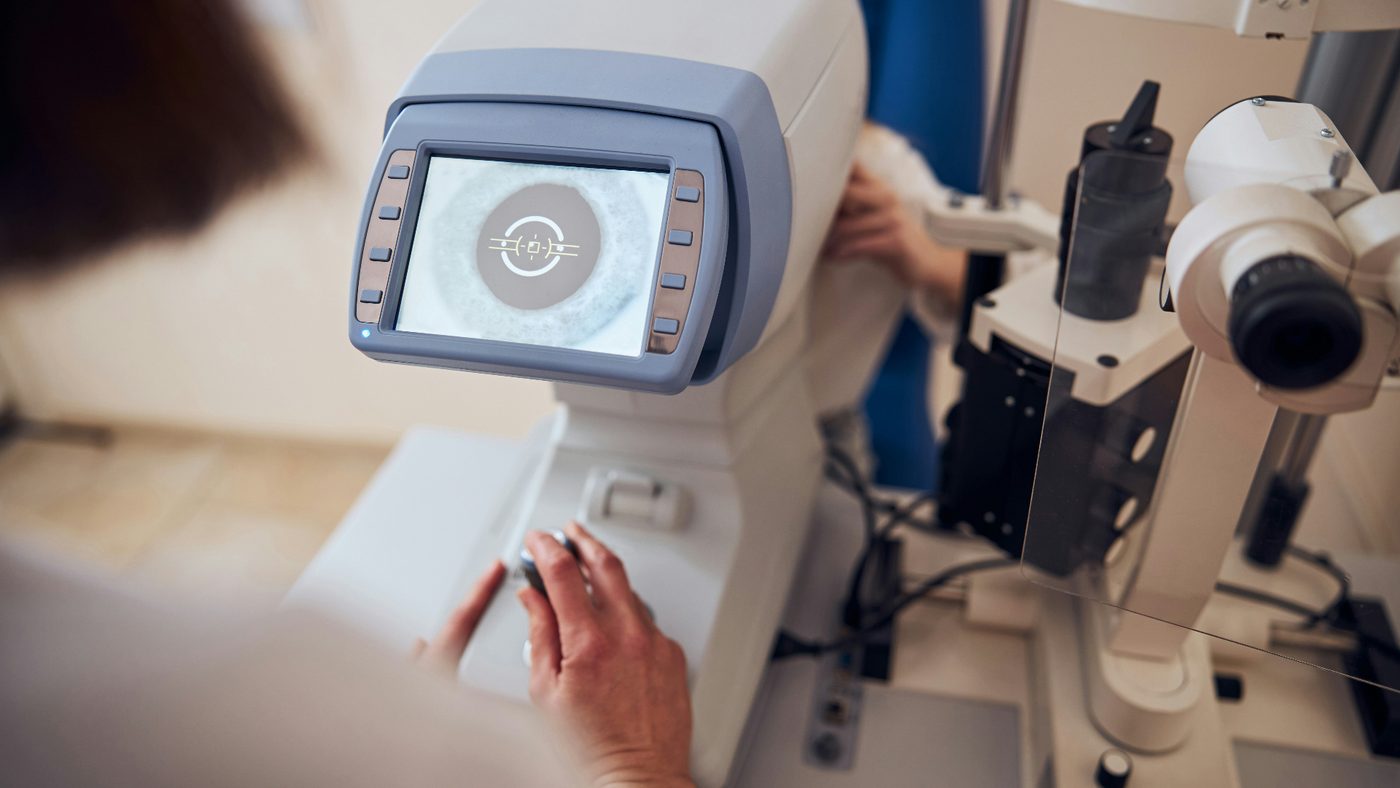
Why patients trust Dr. Roxanna Gangi for glaucoma care
Dr. Roxanna Gangi serves patients across York Region — including Aurora, Newmarket, Richmond Hill, Thornhill, and Vaughan — with personalized, in-person optometry care from Dr. Roxanna Gangi.
Glaucoma is a long-term condition, and continuity of care matters. Patients value Dr. Roxanna Gangi's careful monitoring, plain-language explanations, and coordinated approach with trusted ophthalmology providers when more advanced care is needed.
Related services
Frequently asked questions
Can glaucoma be cured?
Glaucoma cannot be cured, but it can almost always be controlled with treatment. The goal is to lower eye pressure enough to prevent further optic nerve damage and preserve your remaining vision.
Is glaucoma testing covered by OHIP?
OHIP covers eye exams for patients diagnosed with glaucoma or considered at high risk. Coverage rules can change — please confirm when booking.
What does the eye pressure test feel like?
Most modern tonometers are gentle and quick. You may feel a brief puff of air or a soft touch on the eye after numbing drops. The test takes only a few seconds.
How often will I need follow-up?
Patients with glaucoma are typically seen every 3 to 6 months, while glaucoma suspects may be monitored every 6 to 12 months depending on risk.
Will I need eye drops for life?
Most patients with glaucoma require daily eye drops indefinitely. Adherence is one of the most important parts of treatment, and we discuss strategies to make it easier.
When is glaucoma surgery needed?
When eye drops are not enough to control pressure or when the disease is advanced, laser or surgical treatment may be recommended. We coordinate referral and provide ongoing follow-up.