
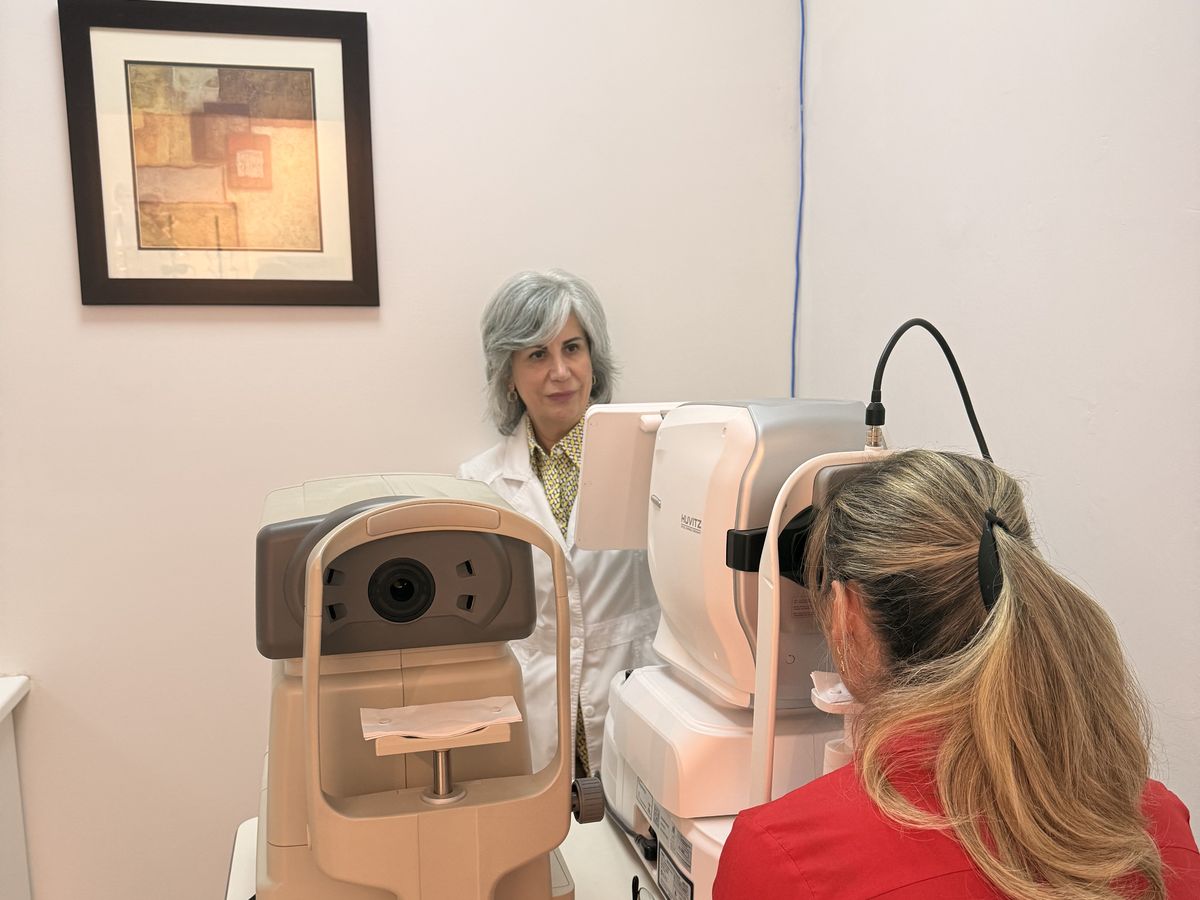
Why PRK May Be Recommended Instead of LASIK
Dr. Roxanna Gangi provides PRK consultation and co management for patients across York Region, including Aurora, Newmarket, Thornhill, Vaughan, and Richmond Hill. Her background as a former ophthalmologist and eye surgeon in Iran for nearly 14 years gives her a valuable perspective when explaining the difference between LASIK and PRK, preparing patients for the procedure, and supporting recovery after surgery.
LASIK and PRK both use laser vision correction to reshape the cornea, but the procedures are different. LASIK involves creating a corneal flap, while PRK treats the surface of the cornea and allows it to heal naturally. PRK may be considered when:
- The cornea may be too thin for LASIK
- The corneal shape makes flap based surgery less suitable
- The patient has an active or high impact lifestyle
- The patient has certain work or safety requirements
- The patient was previously told they are not a LASIK candidate
- The surgeon prefers a surface based laser procedure for that eye
Why PRK Needs Careful Preparation
PRK can offer excellent long term visual results for the right patient, but the early recovery is usually slower than LASIK. The surface of the cornea needs time to heal. Patients may experience discomfort, light sensitivity, watering, and blurry vision during the early healing stage.
Dr. Roxanna Gangi helps patients understand this timeline before committing to surgery. Her previous experience in ophthalmology and eye surgery allows her to explain the healing process in a practical, calm, and medically grounded way.
PRK Aftercare with Dr. Roxanna Gangi
PRK follow up requires careful monitoring of corneal surface healing, comfort, inflammation, dryness, and vision stability.
Dr. Roxanna Gangi helps patients understand drop use, expected recovery stages, and warning signs that require attention. Her background helps patients feel more prepared because she can explain not only what is happening, but why it matters.
Who May Benefit from a PRK Consultation?
A PRK consultation may be useful if you want laser vision correction but are unsure whether LASIK is right for you.
It may also be useful if you have been told you have thin corneas, dry eye symptoms, an active lifestyle, occupational restrictions, or previous concerns during a laser eye surgery screening.
Dr. Roxanna Gangi helps patients compare LASIK and PRK from a patient safety and long term eye health perspective.
Related services
Is PRK the Better Option for You?
If you were told you may not be suitable for LASIK, or you want to compare LASIK and PRK, submit a candidacy request and let Dr. Roxanna Gangi's team guide you toward the right next step.
Check If You Are a LASIK or PRK CandidateFrequently asked questions
Why would someone choose PRK instead of LASIK?
PRK may be recommended when LASIK is not ideal because of corneal thickness, corneal shape, lifestyle, occupation, or surgeon preference. Dr. Roxanna Gangi can help explain why PRK may be considered.
Is PRK better for thin corneas?
PRK may be considered for some patients with thinner corneas because it does not involve creating a LASIK flap. Final suitability must be determined after proper clinical assessment.
How long does PRK recovery take?
PRK recovery is usually slower than LASIK. Comfort often improves during the first week, while visual clarity continues to improve over weeks to months.
Is PRK painful?
PRK can cause discomfort, watering, light sensitivity, and irritation during the first few days. Medication, lubricating drops, and a bandage contact lens may be used as part of the recovery plan.
Can PRK give the same final vision as LASIK?
For many suitable patients, PRK and LASIK can lead to similar final visual outcomes. The main difference is usually the recovery experience and which eyes are better suited to each procedure.
Can Dr. Roxanna Gangi help me compare LASIK and PRK?
Yes. Dr. Roxanna Gangi can review your eye health, prescription history, dry eye symptoms, lifestyle, and previous screening results to help you understand whether LASIK or PRK may be more appropriate.