
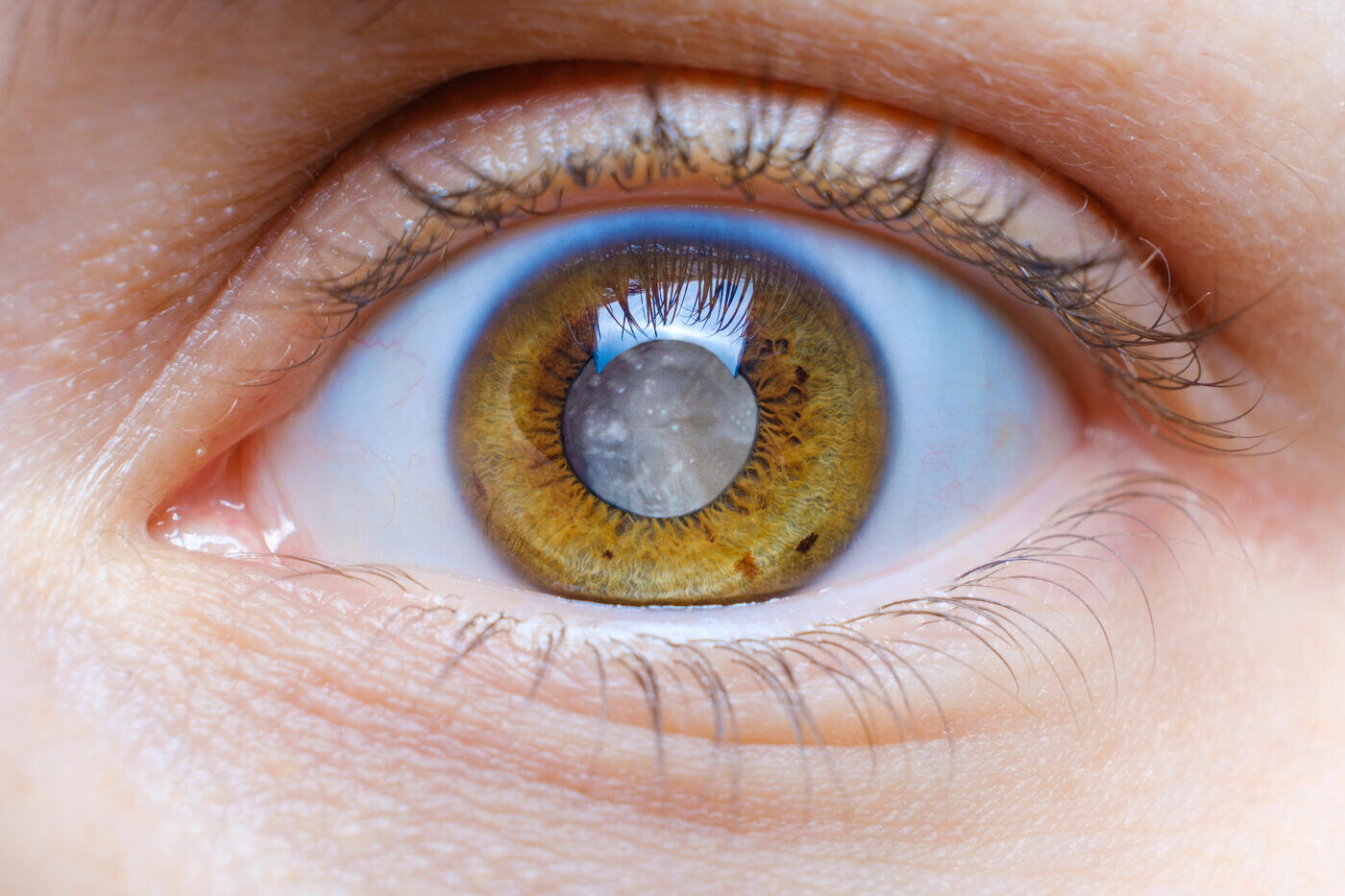
What Cataract Co Management Means
Dr. Roxanna Gangi provides cataract assessment, referral coordination, and post operative optometric care for patients across York Region, including Aurora, Newmarket, Thornhill, Vaughan, and Richmond Hill. Her previous ophthalmology and eye surgery experience in Iran helps her explain cataract surgery, lens options, and the recovery process with unusual clarity.
Cataract co management means Dr. Roxanna Gangi helps assess the cataract, explains how it may be affecting your vision, coordinates referral when surgery is appropriate, and provides follow up care after the procedure when indicated. The cataract surgeon performs the surgery. Dr. Roxanna Gangi helps patients understand the process before referral and supports recovery after surgery.
When Cataract Surgery May Be Considered
Cataract surgery may be considered when cloudy vision begins to interfere with daily life. Common signs include:
- Blurry vision
- Glare from headlights
- Difficulty driving at night
- Faded colours
- Frequent prescription changes
- Trouble reading even with updated glasses
Why Dr. Roxanna Gangi's Background Matters
Because Dr. Roxanna Gangi previously practiced as an ophthalmologist and eye surgeon in Iran, she understands cataracts from both the diagnostic and surgical perspective.
This helps her explain when cataracts are simply being monitored, when referral may be reasonable, what lens discussions may involve, and what patients can expect after surgery. Cataract assessment is naturally built into every senior eye exam.
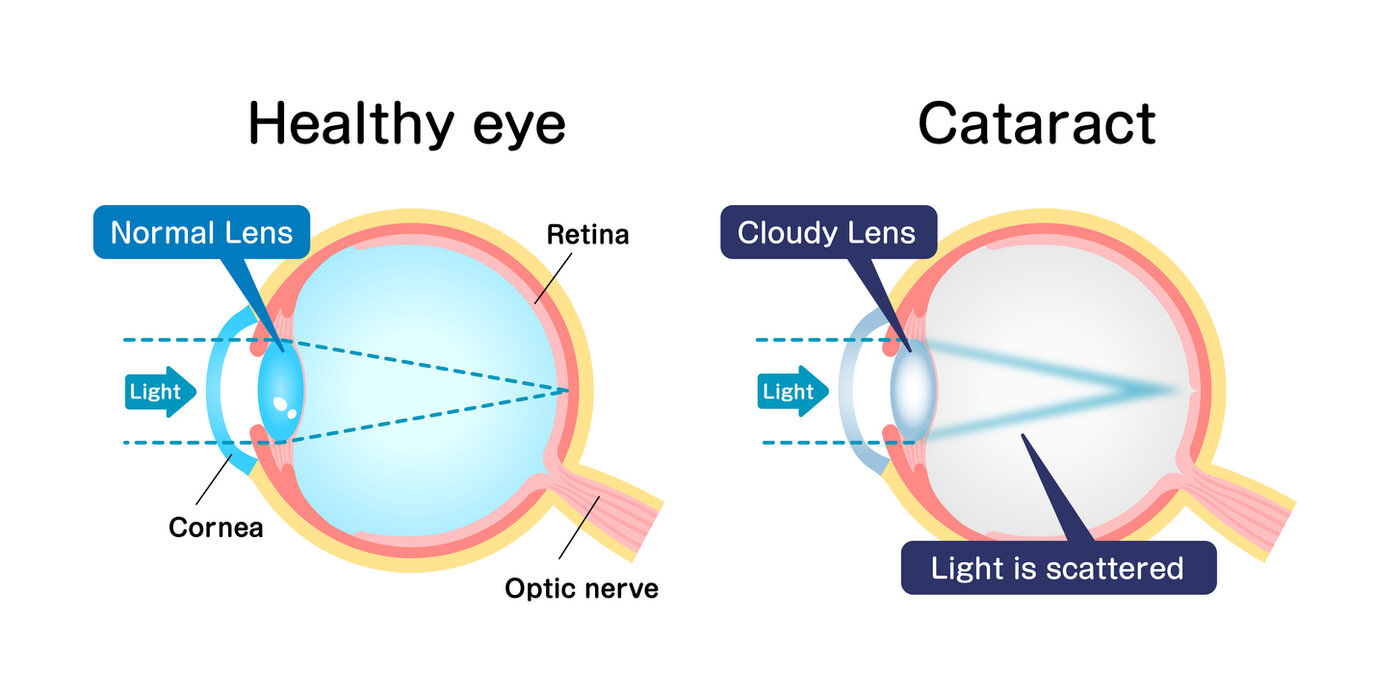
What Happens After Cataract Surgery?
After cataract surgery, follow up care helps monitor healing, vision improvement, eye pressure, inflammation, comfort, and the need for updated glasses.
Dr. Roxanna Gangi helps patients understand drop use, recovery expectations, and when vision has stabilized enough to update the prescription. For patients who notice up close reading difficulty after surgery, see presbyopia solutions.
Related services
Frequently asked questions
How do I know when cataract surgery is needed?
Surgery is generally considered when cloudy vision begins to affect daily life — driving, reading, working, or hobbies. Dr. Roxanna Gangi helps document the impact and discusses timing with you.
Will I still need glasses after cataract surgery?
Many patients still use some form of glasses after cataract surgery, often for reading. This depends on the type of intraocular lens chosen during surgery.
What are premium cataract lenses?
Premium lenses include toric lenses for astigmatism and multifocal or extended depth of focus lenses. They may reduce the need for glasses but typically have additional out of pocket fees.
How long does cataract recovery take?
Many patients notice clearer vision within the first days. Eye drops are usually used for several weeks, and the prescription is generally finalized once the eye has fully settled.
Can Dr. Roxanna Gangi refer me to a cataract surgeon?
Yes. When cataract surgery is appropriate, Dr. Roxanna Gangi can coordinate referral to a trusted cataract surgeon and continue your post operative optometric care.