
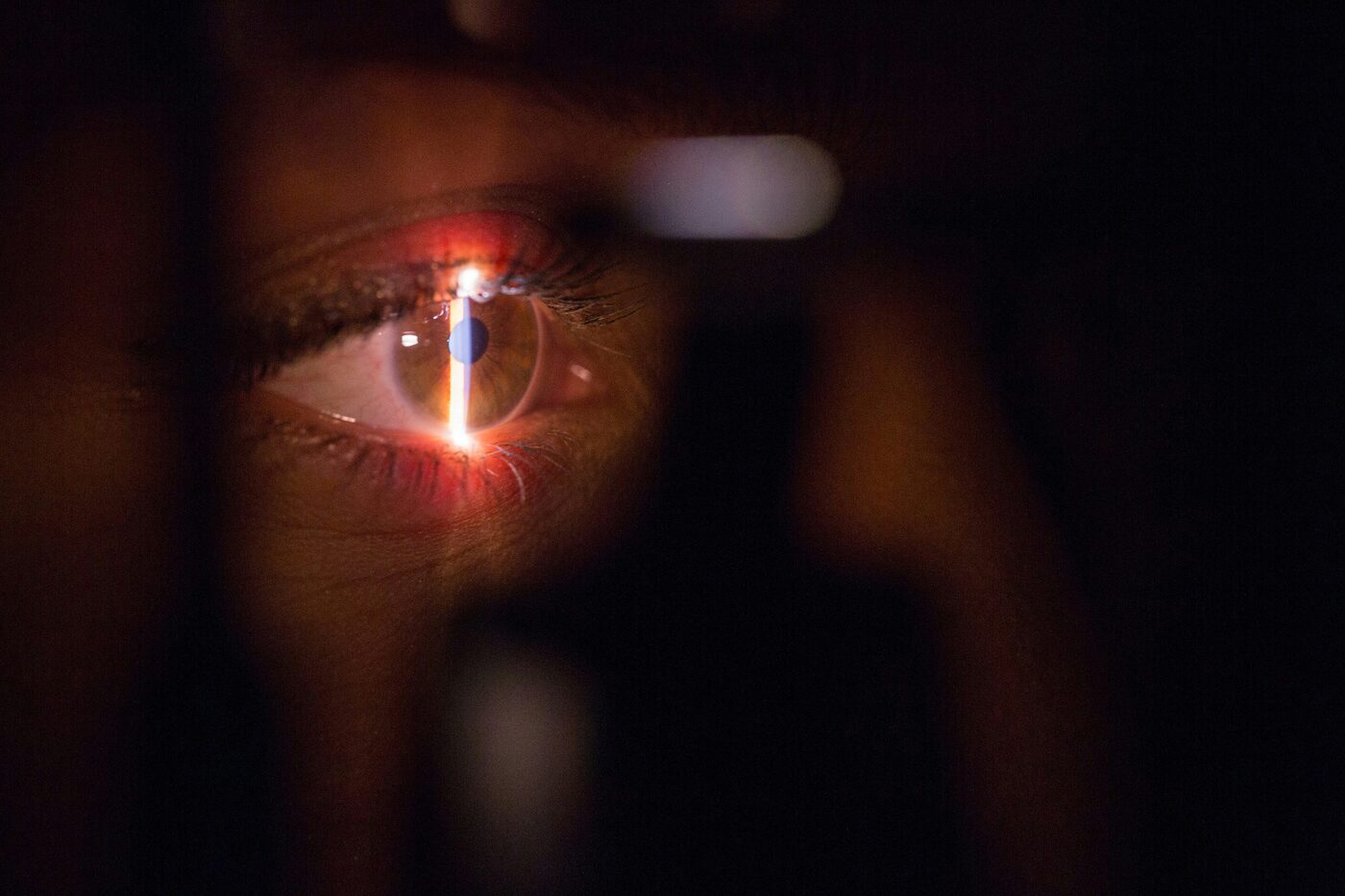
What a comprehensive eye exam includes
A comprehensive eye exam is the foundation of long-term vision health. It evaluates your visual clarity, eye coordination, focusing system, eye pressure, and the health of the front and back of the eye. Many serious eye conditions — including glaucoma, diabetic eye disease, and macular degeneration — develop quietly long before vision changes are noticeable, which is why a routine, in-person assessment is so important.
During your visit, Dr. Roxanna Gangi takes time to understand your vision history, lifestyle, screen habits, and any symptoms you may be experiencing. The exam itself combines modern diagnostic technology with a careful clinical assessment, so any subtle changes are picked up early. If a prescription update is needed, it is included as part of your refractive evaluation.
Comprehensive eye exams are recommended for adults every one to two years, and more often for children, seniors, diabetic patients, and anyone with a family history of eye disease.
When to book a comprehensive eye exam
An eye exam isn't only for people with blurry vision. Many patients book because something has changed, while others come for routine prevention. Common reasons to schedule include:
- Blurry vision at distance, near, or both
- Eye strain, headaches, or fatigue with screen use
- Difficulty seeing while driving, especially at night
- Frequent squinting or holding things closer to read
- Dry, irritated, or watery eyes
- Seeing new floaters, flashes, or changes in side vision
- A family history of glaucoma, macular degeneration, or other eye disease
- Diabetes, high blood pressure, or other systemic conditions affecting the eyes
What happens during your in-person eye exam
Your appointment begins with a friendly intake to review your medical history, current medications, and any specific concerns. Dr. Roxanna Gangi then guides you through each step, explaining what is being measured and why.
Vision testing checks your best corrected acuity at distance and near. Refraction determines whether glasses or contact lenses can sharpen your sight further. Eye health testing evaluates intraocular pressure, the front surface of the eye (cornea, lids, tear film), and the internal structures including the optic nerve and retina. Where appropriate, additional imaging or visual field testing may be recommended.
At the end of your exam, you will receive a clear summary of findings, an honest plan, and — if needed — referrals or follow-up scheduling. Prescriptions and any related forms are provided before you leave.
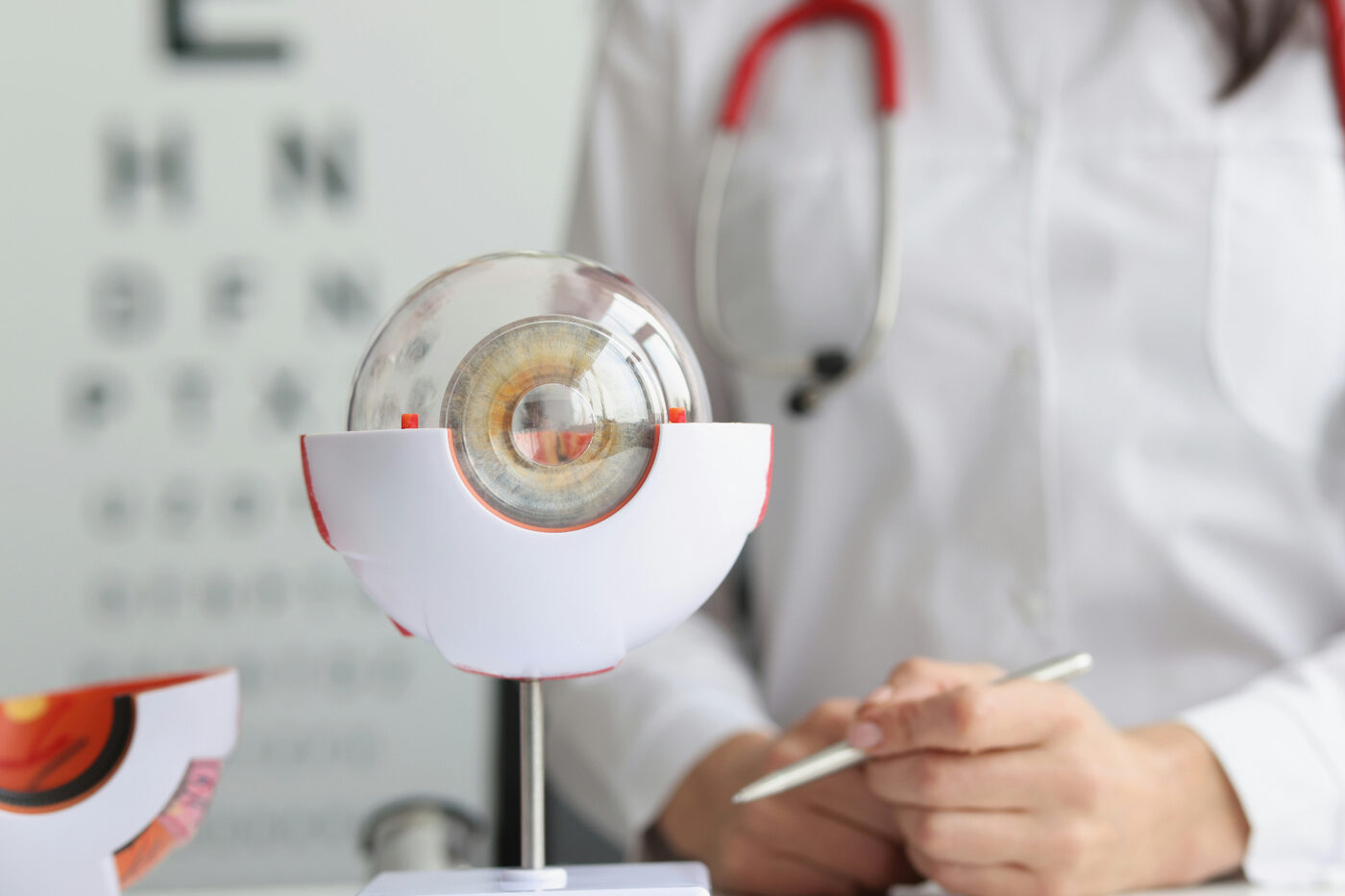
Why choose Dr. Roxanna Gangi
Dr. Roxanna Gangi serves patients across York Region — including Aurora, Newmarket, Richmond Hill, Thornhill, and Vaughan — with personalized, in-person optometry care from Dr. Roxanna Gangi.
Dr. Roxanna Gangi brings over three decades of combined medical, ophthalmology, and optometry experience to every appointment. Patients value the unhurried pace, plain-language explanations, and the focus on long-term eye health rather than quick fixes.
Whether you are due for a routine check, noticing a change in your vision, or coming in on the recommendation of your family doctor, you will leave with a clear understanding of your eyes and a plan that fits your life.
Related services
Frequently asked questions
How often should I have a comprehensive eye exam?
Most adults benefit from a full eye exam every one to two years. Children, seniors, diabetic patients, and anyone with a known eye condition or family history of eye disease typically need yearly exams.
How long does the appointment take?
A comprehensive in-person eye exam usually takes 30 to 45 minutes. Plan for slightly longer if dilation or additional imaging is needed.
Will my eye exam be covered by OHIP?
OHIP covers eye exams for children up to age 20, seniors aged 65 and older, and patients with certain medical conditions such as diabetes or glaucoma. Coverage rules can change — please confirm when booking.
Do I need to bring anything to my appointment?
Bring your current glasses or contact lenses, your health card, a list of medications, and any previous eye records or referrals. Sunglasses are helpful if dilation is performed.
What if I have no symptoms — do I still need an exam?
Yes. Many eye conditions, including glaucoma and early retinal disease, develop without symptoms. A routine exam is the best way to catch changes early, when they are most treatable.
Can I get glasses and contact lens prescriptions at the same visit?
Yes. Eyeglass prescriptions are issued at every comprehensive exam. A contact lens fitting is a separate component that can be added on if you wear or want to start wearing contact lenses.