
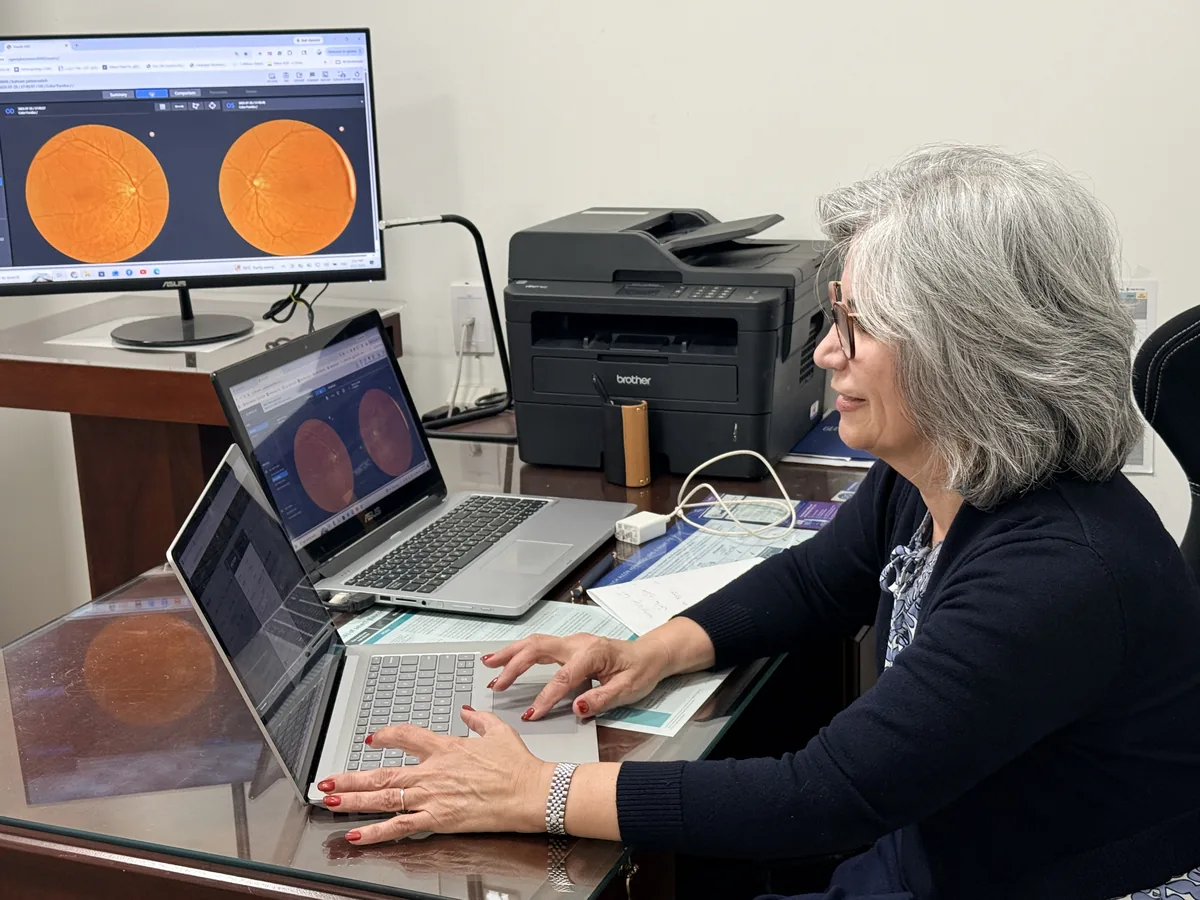
Why diabetes makes regular eye exams essential
Diabetic retinopathy is one of the leading causes of preventable vision loss in adults. It develops when high blood sugar damages the tiny blood vessels of the retina, often without any noticeable symptoms in the early stages. By the time vision changes are obvious, treatable damage may already be present.
A dedicated diabetic eye exam allows Dr. Roxanna Gangi to look carefully at the retina, blood vessels, optic nerve, and macula for any early signs of diabetic eye disease. Patients with diabetes are also at higher risk for glaucoma and cataracts, which are evaluated at the same visit.
OHIP covers one full eye exam every 12 months for patients diagnosed with diabetes.
Symptoms and risk factors to watch for
Early diabetic eye disease usually has no symptoms, which is why annual exams matter. Reasons to book sooner include:
- Sudden or gradual blurry vision
- New floaters or dark spots in your vision
- Difficulty seeing colours or contrast clearly
- Fluctuating vision throughout the day
- A recent change in blood sugar control
- Newly diagnosed diabetes, gestational or otherwise
- Pre-diabetes or strong family history of diabetes
What happens during your diabetic eye exam
Your appointment begins with a discussion of your overall diabetes care: how long you have had diabetes, your most recent A1C, and any medications you are taking. This context helps Dr. Roxanna Gangi assess your individual risk.
The exam includes vision testing, refraction, intraocular pressure measurement, and a careful look at the inside of the eye. Dilation drops are often used to give a clear view of the entire retina. Where indicated, retinal imaging or OCT scans are added to document baseline appearance and detect subtle changes over time.
You will receive a clear report of findings, lifestyle recommendations, and — when needed — coordinated referral to a retina specialist with continued follow-up at our clinic.
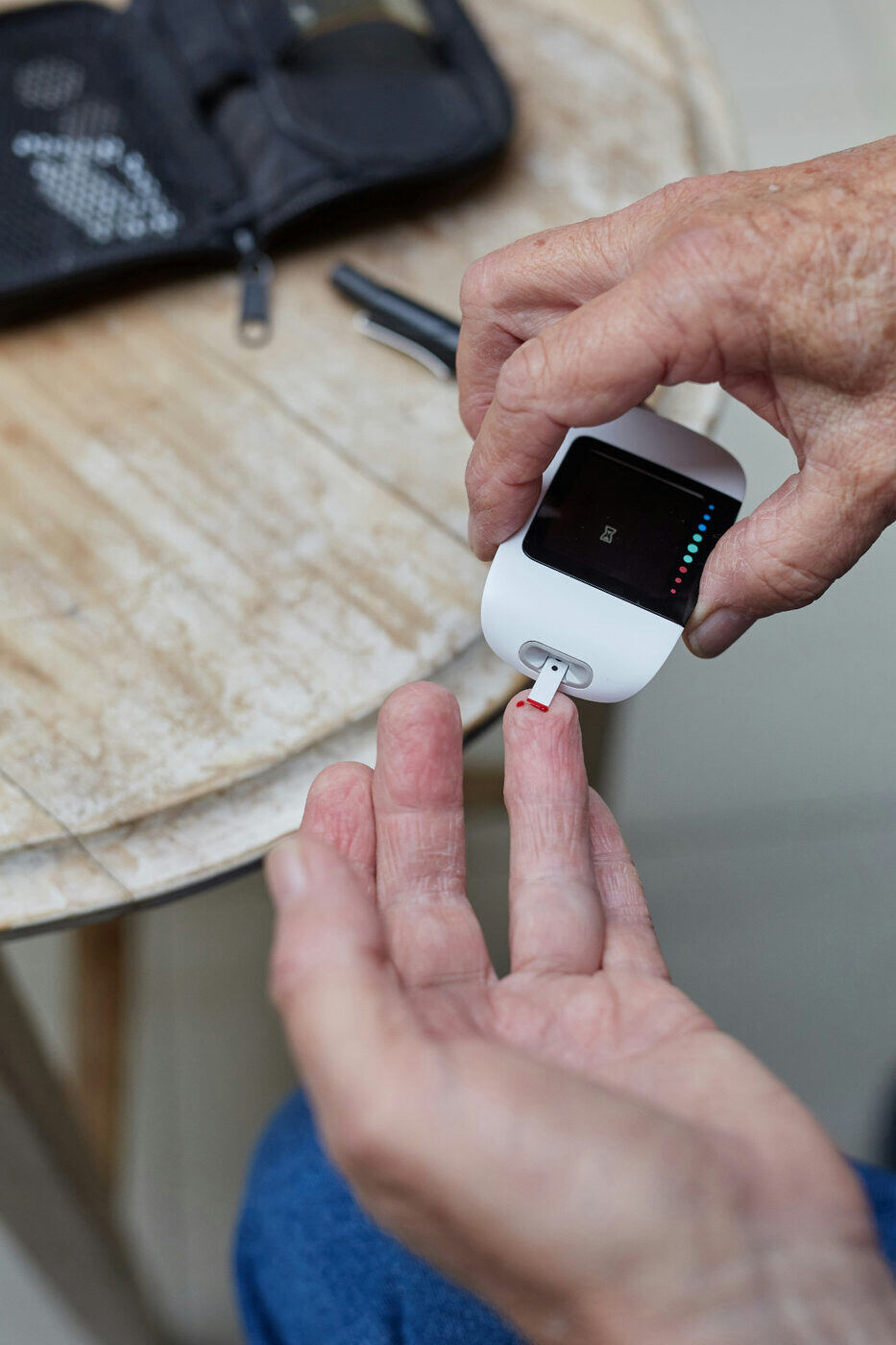
Why diabetic patients trust Dr. Roxanna Gangi
Dr. Roxanna Gangi serves patients across York Region — including Aurora, Newmarket, Richmond Hill, Thornhill, and Vaughan — with personalized, in-person optometry care from Dr. Roxanna Gangi.
Patients with diabetes appreciate Dr. Roxanna Gangi's thorough, prevention-focused approach. Annual exams are personalized to your medical history, and findings are explained in plain language so you understand exactly what is happening with your eyes.
Related services
Frequently asked questions
How often should I have a diabetic eye exam?
Once per year, even if you feel your vision is fine. OHIP covers annual exams for patients diagnosed with diabetes.
Will my eyes be dilated?
In most cases, yes. Dilation gives the clearest view of the retina and is the standard of care for diabetic eye exams. The effect on vision typically lasts 4 to 6 hours.
Can I drive home after a dilated exam?
Many patients can, but everyone reacts differently. Bring sunglasses and consider arranging a ride if you are sensitive to light or unsure how dilation will affect you.
What is diabetic retinopathy?
Diabetic retinopathy is damage to the small blood vessels of the retina caused by high blood sugar. Early stages have no symptoms but are detectable on a thorough eye exam.
Do you communicate with my family doctor?
Yes. With your permission, exam reports and findings are shared with your family doctor or endocrinologist as part of your overall diabetes care.
What if you find diabetic changes in my eyes?
We discuss the findings with you, explain what they mean, and either monitor more frequently or coordinate referral to a retina specialist depending on the stage.