

Optometry care for everyday and urgent eye concerns
Many of the most common reasons people end up at a walk-in clinic or emergency room are actually eye conditions that can be safely and accurately assessed by an optometrist. Dr. Roxanna Gangi offers in-person evaluation for a wide range of common eye conditions, with appropriate referral to ophthalmology when needed. Routine prevention is built into every comprehensive eye exam.
When to book an in-person appointment
Schedule an appointment if you experience any of the following:
- New floaters, flashes of light, or a curtain over your vision
- Sudden blurry, double, or lost vision
- Painful red eye or significant light sensitivity
- Itchy, watery, or swollen eyes
- Eye injury, foreign body sensation, or chemical exposure
- Distorted central vision or new wavy lines
- Changes in colour perception
What happens during your visit
Dr. Roxanna Gangi begins by reviewing your symptoms, when they started, and any related health or medication history. The exam includes vision testing, evaluation of the front surface of the eye, intraocular pressure measurement, and examination of the retina as appropriate to your concern.
Many conditions can be treated directly in the clinic. For situations that need surgical or specialist care, coordinated referral and ongoing follow-up are arranged at the same visit.
Age-related macular degeneration (AMD)
Age-related macular degeneration affects the macula — the small central area of the retina responsible for sharp, detailed vision. Early AMD often has no symptoms and is detected during a routine eye exam, while later stages can cause central blur, distortion, or dark spots.
Dr. Roxanna Gangi screens for AMD at every senior eye exam, monitors changes over time, and coordinates referral to retinal specialists when treatment is needed. Patients with diabetes are also screened during their diabetic eye exam.
Ocular emergencies & acute conditions
Sudden symptoms — flashes, new floaters, vision loss, eye pain, or a red eye that won't settle — should be evaluated promptly. Common urgent conditions include corneal abrasions, foreign bodies, infections, uveitis, retinal tears, and sudden pressure changes.
If you are experiencing a true emergency (severe pain, sudden major vision loss, chemical exposure, or trauma), please go to your nearest emergency room. For other acute concerns, contact us for prompt in-person assessment.
Allergic conjunctivitis
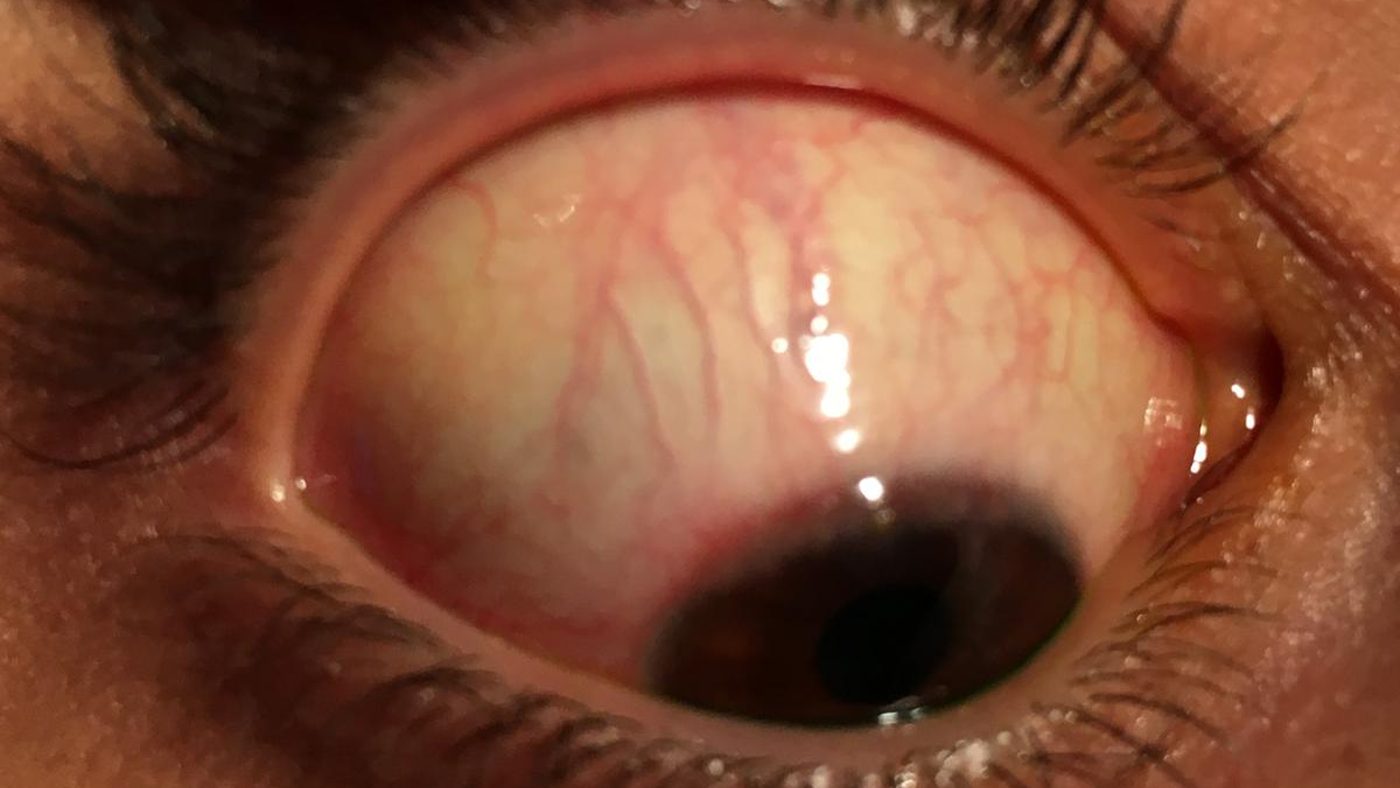
Allergic conjunctivitis causes itchy, red, watery eyes — often worst during pollen season or with pet exposure. Symptoms can range from mild to severe and may be confused with infection or dry eye.
A focused eye exam confirms the diagnosis and rules out other causes. Treatment may include cool compresses, lubricant drops, prescription antihistamine or anti-inflammatory drops, and lifestyle adjustments. Allergic eye disease often coexists with dry eye, so both are evaluated together.
Why patients choose Dr. Roxanna Gangi for everyday eye concerns
Dr. Roxanna Gangi serves patients across York Region — including Aurora, Newmarket, Richmond Hill, Thornhill, and Vaughan — with personalized, in-person optometry care from Dr. Roxanna Gangi.
Patients value the convenience of in-person, expert eye care without the long waits of urgent care or emergency departments for non-life-threatening eye issues. Where surgical or specialist care is needed, Dr. Roxanna Gangi coordinates referral and continues follow-up.
Related services
Frequently asked questions
Should I see an optometrist or go to the emergency room?
For severe pain, sudden major vision loss, chemical exposure, or trauma, go directly to the emergency room. For most other red eye, irritation, floaters, or vision change concerns, an in-person optometry visit is appropriate.
Do you treat eye infections?
Yes. Optometrists in Ontario can diagnose and prescribe medications for many eye infections and inflammatory conditions.
What are floaters and flashes?
Floaters are small dots or strands you see drift across your vision. Flashes are brief bursts of light. New or sudden floaters and flashes should be evaluated promptly to rule out a retinal tear or detachment.
How is AMD detected?
AMD is detected through a careful examination of the macula, retinal imaging, and home monitoring tools such as the Amsler grid. Early detection allows for timely treatment when needed.
Are eye drops for allergies safe to use long-term?
Many modern allergy eye drops are safe for daily seasonal use, but the right choice depends on your symptoms and other eye conditions. Dr. Roxanna Gangi will recommend what fits your situation best.
Will my urgent eye visit be covered by OHIP?
OHIP covers many medical eye visits for diagnosed conditions or specific symptoms. Coverage depends on the reason for your visit and is confirmed when you book.