
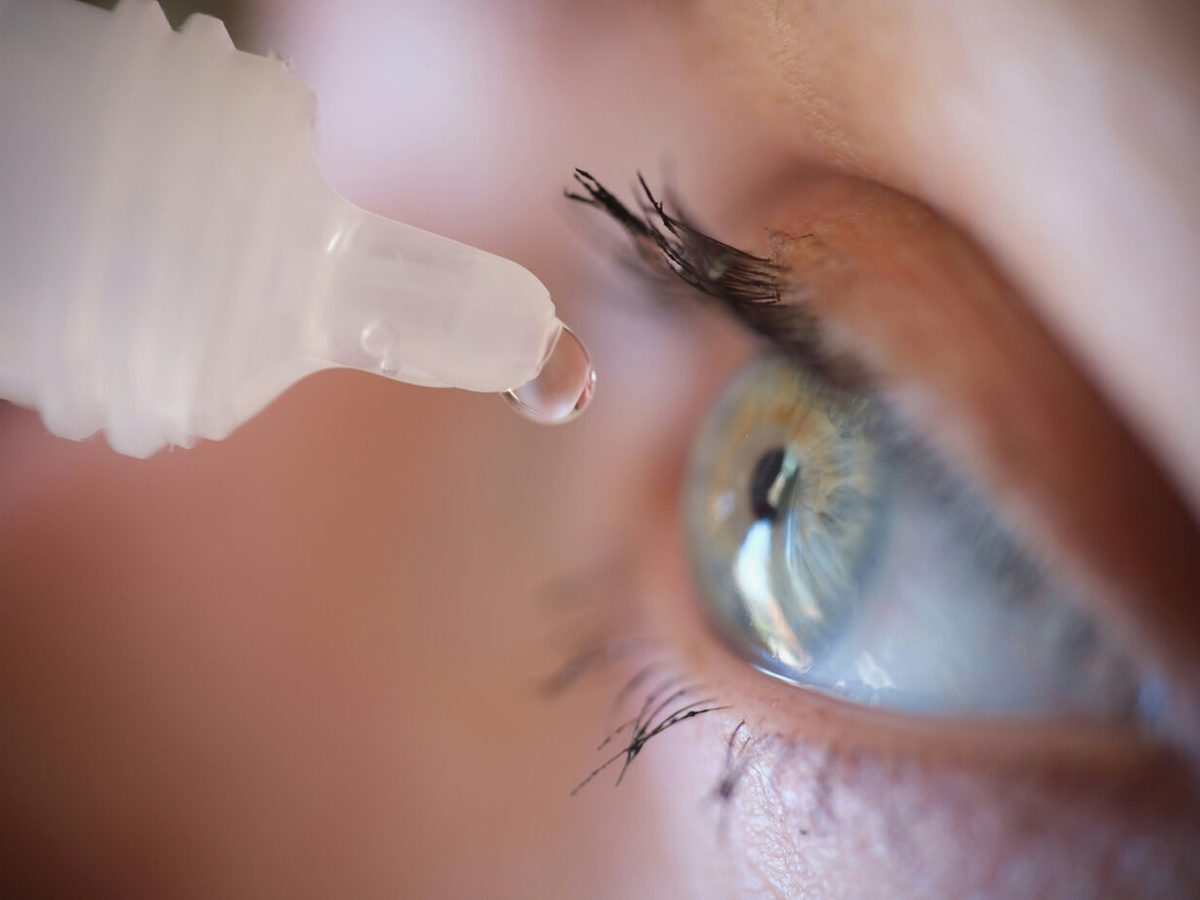
What dry eye really is
Dry eye is more than just a feeling of dryness. It is a condition where the eye does not produce enough tears, the tears evaporate too quickly, or the quality of the tear film is poor. The result can be burning, grittiness, blurry vision, redness, and — somewhat counterintuitively — watery eyes that constantly tear up to compensate.
Common contributors include long hours of screen use, contact lens wear, certain medications, hormonal changes, autoimmune conditions, and the dry indoor air of Canadian winters. Dry eye also commonly accompanies post-LASIK recovery and presbyopia.
Symptoms of dry eye disease
Dry eye can show up in surprising ways. Common symptoms include:
- Burning, stinging, or gritty sensation
- Eye redness or irritation that comes and goes
- Blurry vision that clears with blinking
- Watery eyes that tear up easily
- Tired or heavy eyelids by the end of the day
- Difficulty wearing contact lenses
- Discomfort in air-conditioned or heated rooms
- Light sensitivity
What happens during a dry eye assessment
A dedicated dry eye assessment is more focused than a general eye exam. Dr. Roxanna Gangi reviews your symptoms, work and screen habits, medications, contact lens use, and overall health to identify possible triggers.
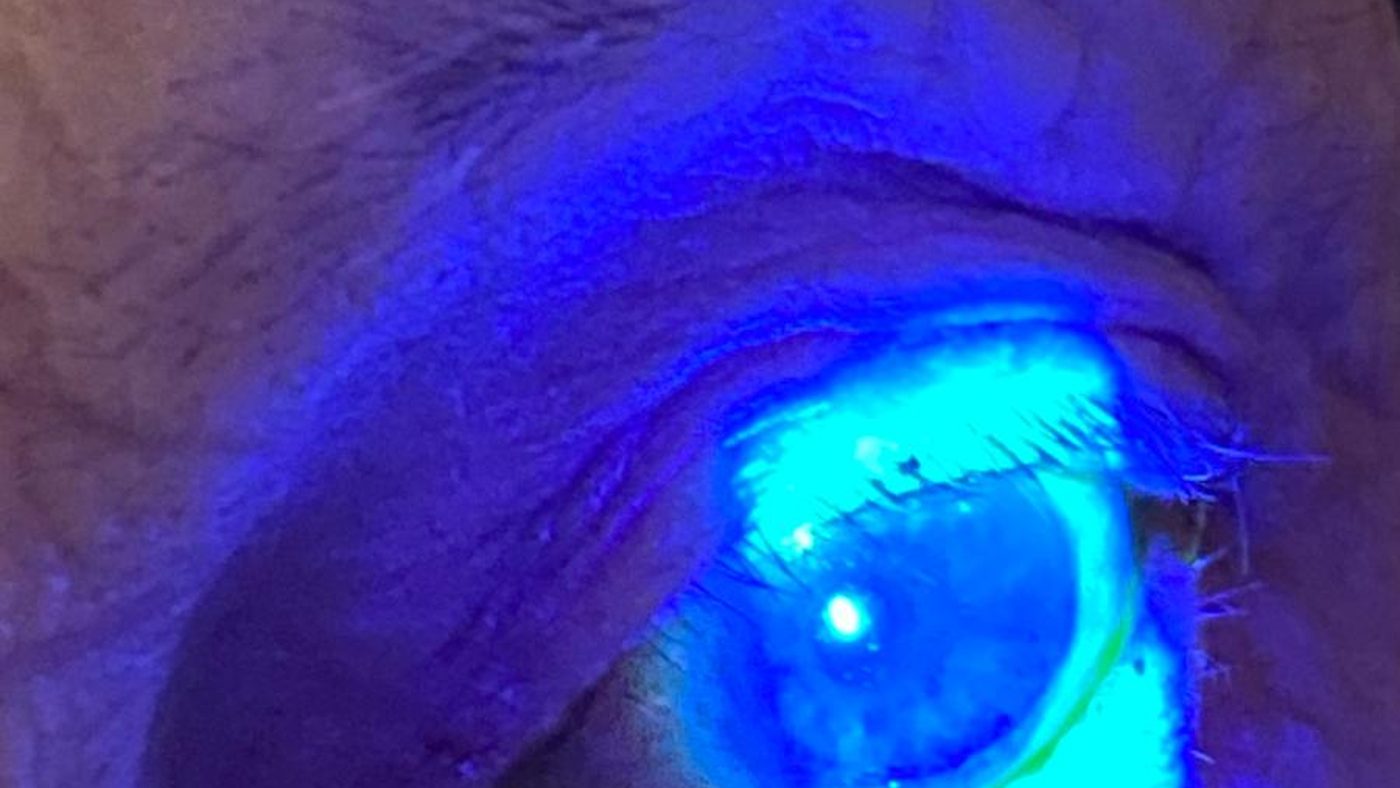
The assessment includes evaluation of the tear film, measurement of tear production and stability, examination of the eyelids and meibomian glands, and assessment of the front surface of the eye for signs of dryness or inflammation. These findings determine the type of dry eye you have, which guides treatment.
Treatment is tailored — there is no one-size-fits-all plan. Options may include high-quality artificial tears, lid hygiene routines, warm compress therapy, omega-3 supplementation, prescription anti-inflammatory drops, punctal plugs, or in-office procedures depending on the underlying cause.
Why patients with dry eye choose Dr. Roxanna Gangi
Dr. Roxanna Gangi serves patients across York Region — including Aurora, Newmarket, Richmond Hill, Thornhill, and Vaughan — with personalized, in-person optometry care from Dr. Roxanna Gangi.
Many dry eye patients have already tried over-the-counter drops without lasting relief. Dr. Roxanna Gangi takes the time to find the actual cause and build a step-by-step plan that addresses it, with follow-up to confirm the treatment is working.
Related services
Frequently asked questions
Is dry eye permanent?
Dry eye is often a chronic condition, but for most patients it can be very well managed. Symptoms typically improve significantly with the right treatment plan and consistent follow-up.
Why do my eyes water if I have dry eye?
Reflex tearing happens when the eye's surface is irritated. These tears lack the proper composition and quickly evaporate, so the eye remains dry despite watering.
Can screens cause dry eye?
Yes. People blink up to 60% less while staring at screens, which leads to faster tear evaporation. This is one of the most common causes of dry eye in working-age adults.
Will artificial tears alone fix dry eye?
Sometimes. For many patients, artificial tears help with symptoms but not the underlying cause. A targeted assessment ensures you are using the right type of treatment for your specific condition.
Can I still wear contact lenses if I have dry eye?
In many cases, yes. We may recommend a different lens material, modality, or a daily disposable design, along with treatment to improve the tear film.
How long until I feel better?
Some treatments offer relief within days, while others take several weeks of consistent use. Follow-up visits are part of the plan so we can adjust as needed.