
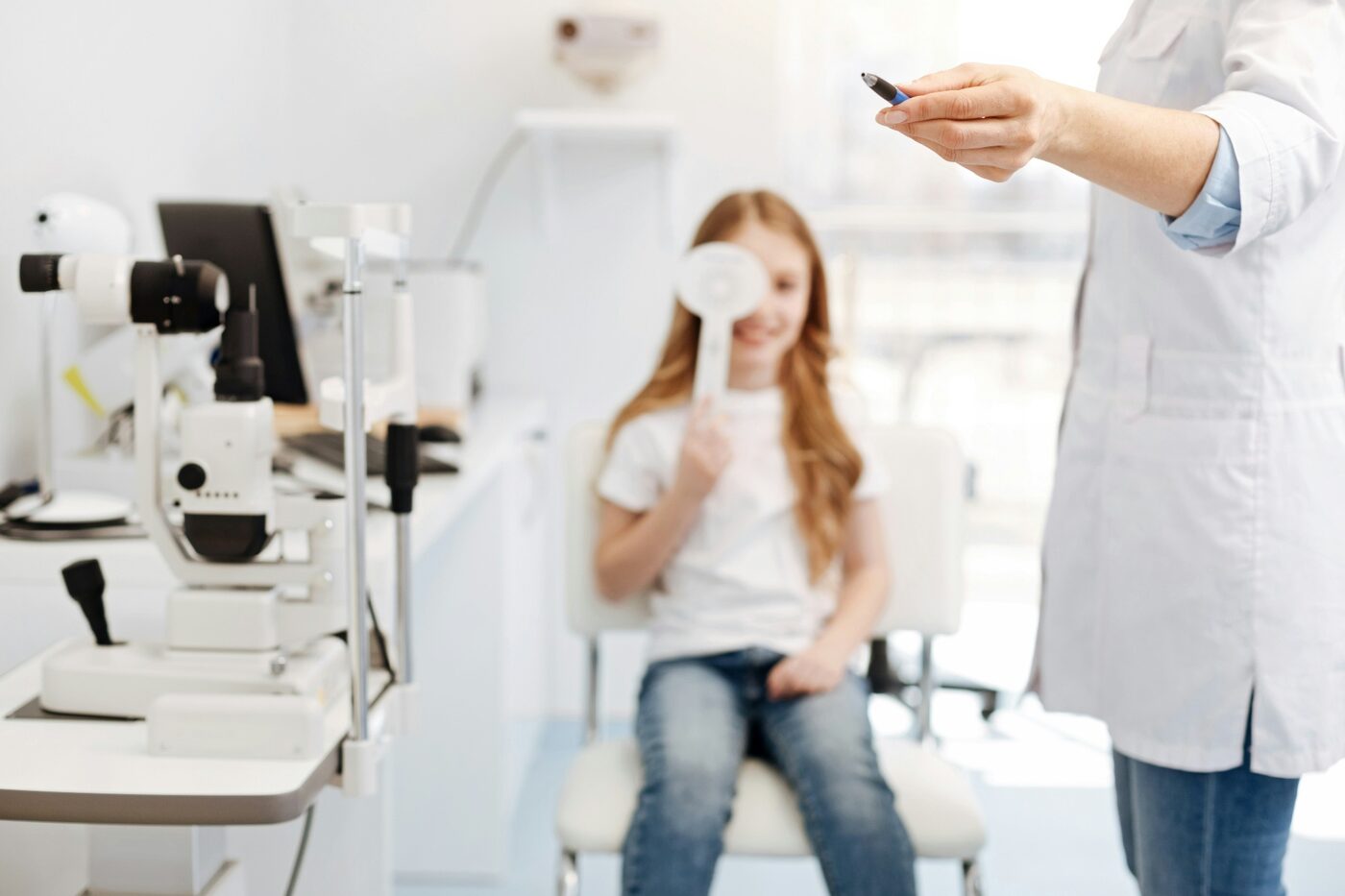
Why children's eye exams matter
Up to 80% of what children learn is processed through their eyes. Vision problems in children are easy to miss because kids often assume the way they see is normal. Reading struggles, short attention spans in class, headaches, and even behaviour changes can all be linked to undetected vision issues.
A complete pediatric eye exam goes well beyond a school vision screening. Dr. Roxanna Gangi assesses how each eye sees individually, how well the eyes work together, focusing ability, eye alignment, colour vision, and overall eye health. Where appropriate, an updated prescription is provided as part of your child's refractive assessment, including options for myopia control.
The Canadian Association of Optometrists recommends a first eye exam between 6 and 9 months, another between ages 2 and 5, and yearly exams once a child enters school.
Signs your child may need an eye exam
Common signs that a child may benefit from a comprehensive eye exam include:
- Sitting close to the TV or holding devices very close
- Squinting, head tilting, or covering one eye
- Frequent eye rubbing not related to allergies
- Skipping lines while reading or losing place often
- Headaches after schoolwork or screen time
- Avoiding reading or close-up activities
- Difficulty catching a ball or judging distances
- A family history of high prescription, lazy eye, or crossed eyes
What happens at a pediatric eye exam
Children's exams with Dr. Roxanna Gangi are paced for comfort. Dr. Roxanna Gangi uses age-appropriate tests, picture charts for younger children, and standard charts for older kids and teens. The exam evaluates visual acuity, focusing, eye coordination, depth perception, colour vision, and the health of each eye.
Eye drops may occasionally be used to fully relax the focusing system and obtain the most accurate prescription, especially in younger patients. Parents are welcome in the exam room and are involved in every part of the discussion.
At the end of the appointment, you receive a clear explanation of findings, recommendations on glasses, myopia control if appropriate, and guidance on healthy screen and reading habits.
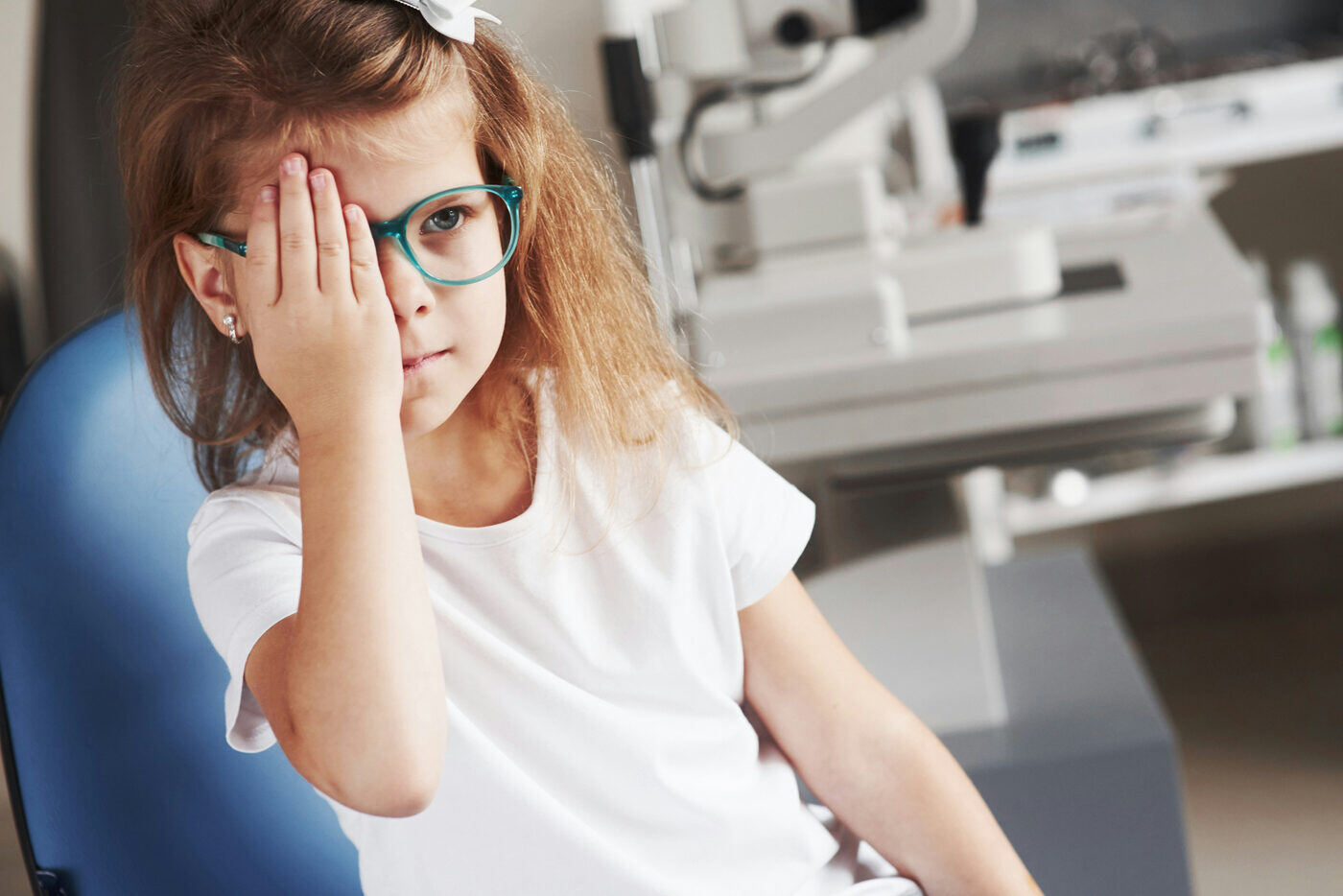
Why families across York Region choose Dr. Roxanna Gangi
Dr. Roxanna Gangi serves patients across York Region — including Aurora, Newmarket, Richmond Hill, Thornhill, and Vaughan — with personalized, in-person optometry care from Dr. Roxanna Gangi.
Families return year after year because Dr. Roxanna Gangi takes the time to make children feel at ease and gives parents the information they need to support their child's vision development. With multiple convenient locations and OHIP-covered exams for children up to age 20, comprehensive family eye care is straightforward to access.
Related services
Frequently asked questions
When should my child have their first eye exam?
The Canadian Association of Optometrists recommends a first eye exam between 6 and 9 months of age, another between 2 and 5 years, and yearly exams once school begins.
Are children's eye exams covered by OHIP?
Yes. OHIP covers one full eye exam per year for children up to age 20.
My child passed the school vision screening — do they still need an exam?
School screenings detect only some vision problems, mostly distance blur. A full optometric exam evaluates focusing, eye teaming, near vision, eye health, and prescription accuracy that screenings cannot assess.
What is myopia control?
Myopia control is a set of evidence-based strategies — such as specific contact lenses, atropine drops, or specialty glasses — designed to slow the progression of nearsightedness in children.
How long does a children's eye exam take?
Most pediatric exams take 30 to 45 minutes. Younger children or those needing dilation may take a little longer.
Can the whole family book together?
Yes. Families often book back-to-back appointments. Please mention this when scheduling so we can plan the timing.