Drooping Eyelid (Ptosis): Causes, Warning Signs and When to Get Help
Written or medically reviewed by Dr. Roxanna Gangi, Optometrist
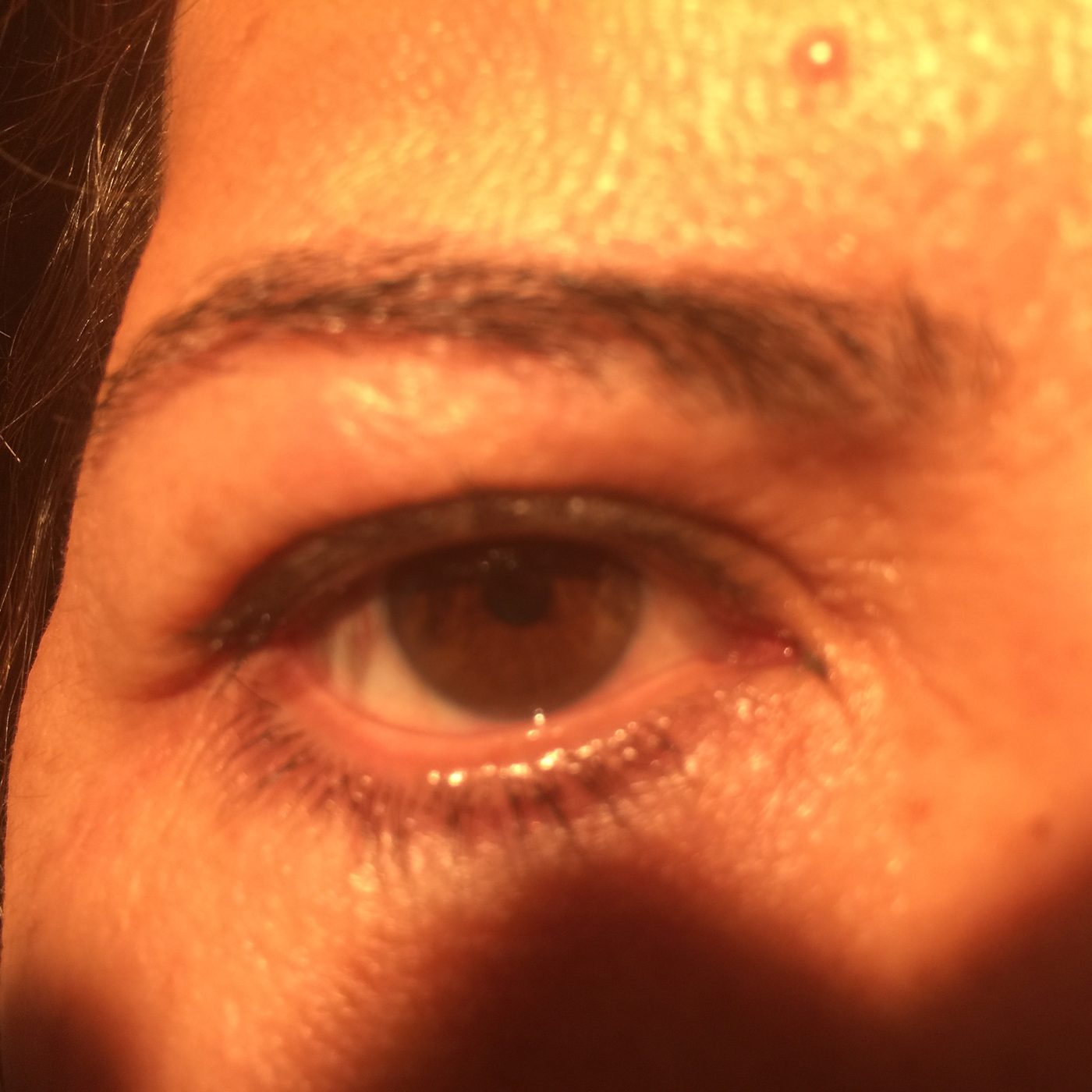
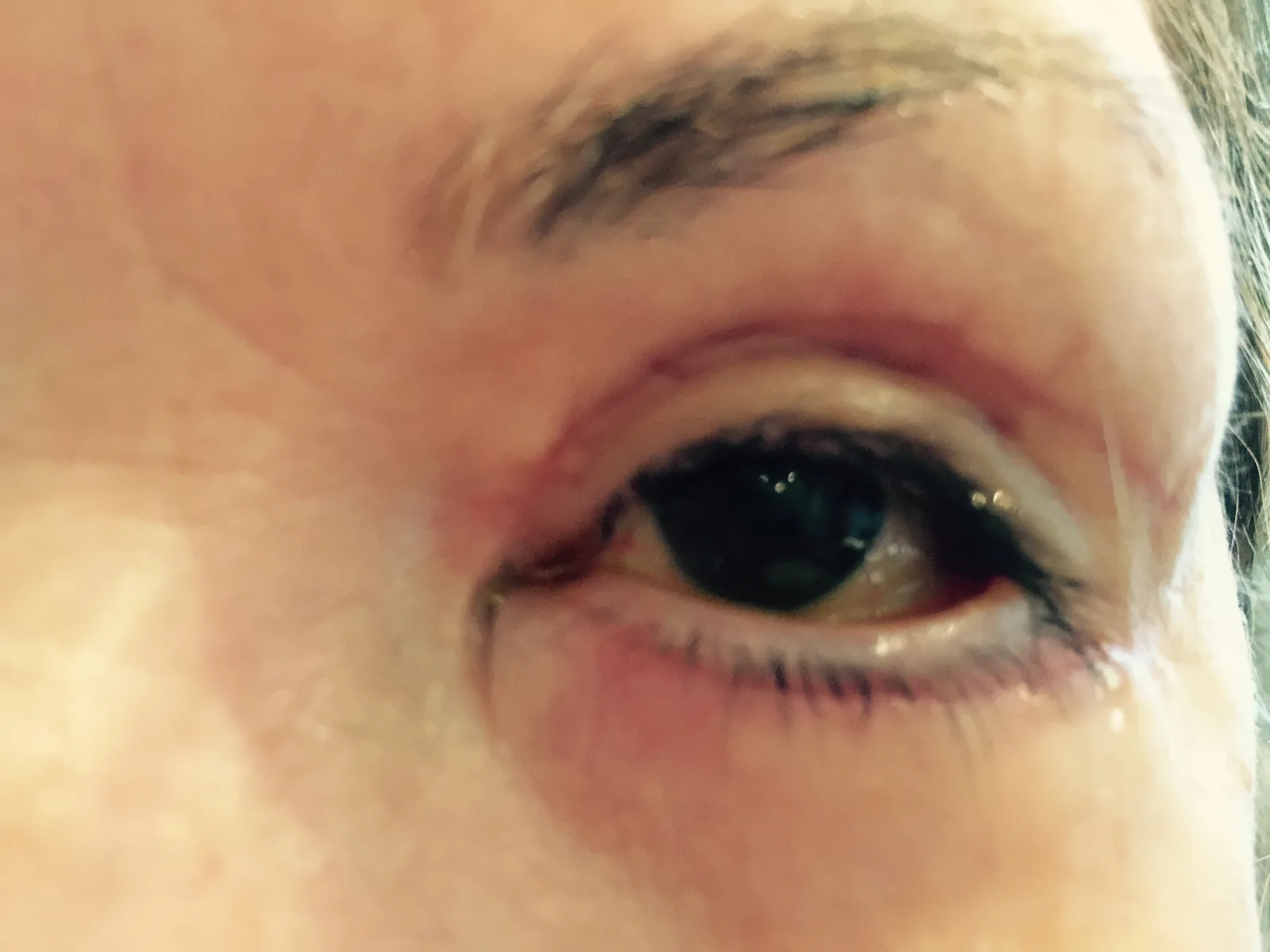
You notice it in a photo before you notice it in the mirror: one upper eyelid sits lower than the other. Or perhaps both lids have slowly become heavier over time. A drooping eyelid can be a harmless age-related change, but a new or sudden droop deserves prompt attention—especially when it appears with double vision, a severe headache, weakness, or a change in pupil size.
The medical term for a drooping upper eyelid is ptosis. The right next step depends less on how the eyelid looks and more on when the change began, whether it affects vision, and whether other symptoms are present.
What is ptosis?
Ptosis occurs when the upper eyelid sits lower than expected. It can affect one eye or both, remain mild and stable, or drop far enough to partly cover the pupil. Some people are born with it. Others develop it later because of age-related stretching, an injury, previous eye surgery, a muscle disorder, or a problem affecting the nerves that lift the eyelid.
A long-standing, mild difference that has not changed and does not interfere with vision is often less concerning. Even so, only an examination can distinguish a normal variation from a condition that needs monitoring or referral.
Common causes of a drooping eyelid
Age-related ptosis is the most common acquired form. Over time, the tendon that helps lift the lid can stretch or loosen. Excess upper-lid skin can also hang over the eye; this is called dermatochalasis and is not exactly the same as ptosis, although the two can occur together.
Other possible causes include a droop present from birth, previous eye surgery or trauma, long-term use of rigid contact lenses, conditions affecting the eyelid muscle, and neurological conditions affecting the nerves that control the lid. Thyroid-related eye disease and certain medications may also be relevant in some patients.
This range of possibilities is why comparing yourself with an online photo is not enough to identify the cause.
When a drooping eyelid is urgent
Seek urgent medical attention if the eyelid droops suddenly, particularly when the change is accompanied by double vision, a new severe headache, facial or body weakness, difficulty speaking, trouble moving one eye, a newly enlarged or smaller pupil, eye pain, confusion, or a recent head or eye injury.
These symptoms do not automatically mean there is a serious neurological problem, but they should not be watched at home. If symptoms are severe or suggest a stroke, call emergency services.
How ptosis can affect vision
A low eyelid may block part of the upper or side visual field. Some people compensate without realizing it by raising their eyebrows, tilting their chin upward, or opening their eyes widely. That effort can contribute to forehead tension and eye fatigue.
During an examination, Dr. Roxanna Gangi may compare eyelid height and symmetry, check pupil reactions and eye movements, assess vision, and examine the front and back of the eyes. When the lid may be obstructing sight, clinical visual-field testing can document how much vision is affected.
The online Peripheral Vision Awareness Test is a useful educational activity, but it cannot diagnose ptosis or replace calibrated in-office visual-field testing.
What happens after the examination?
Treatment depends on the cause and the effect on daily life. A stable, mild droop may only need observation. If another medical condition is responsible, that condition needs attention first. If the eyelid blocks vision or causes a significant functional problem, referral to an ophthalmologist or oculoplastic surgeon may be appropriate.
A comprehensive eye exam is the sensible starting point because it evaluates more than the lid itself. Patients who may need a surgical opinion can also learn how eye surgery co-management supports assessment, referral, and follow-up.
Do not wait for the eyelid to become severe
Gradual changes are easy to dismiss as “just aging.” Yet a baseline examination makes future changes easier to recognize and can uncover issues that are not visible in a mirror. Bring older photographs if you have them; they can help establish whether the asymmetry is new.
Dr. Roxanna Gangi is an optometrist with a prior background in ophthalmology, an experience that supports a careful view of both medical eye health and the situations that may warrant specialist referral. You can learn more about Dr. Roxanna Gangi and her clinical background before arranging an assessment.
Related reading
The bottom line
A drooping eyelid is often gradual and benign, but timing and associated symptoms matter. A new droop—especially with double vision, headache, weakness, eye-movement difficulty, or unequal pupils—needs prompt medical assessment. For a slow or long-standing change, an eye examination can determine whether vision is being blocked and whether monitoring or referral is appropriate.
Ready to book your eye exam?
Book an appointment with Dr. Roxanna Gangi today at the Toronto and York Region location most convenient for you.
Book an Appointment