Five Eye Symptoms You Should Never Ignore
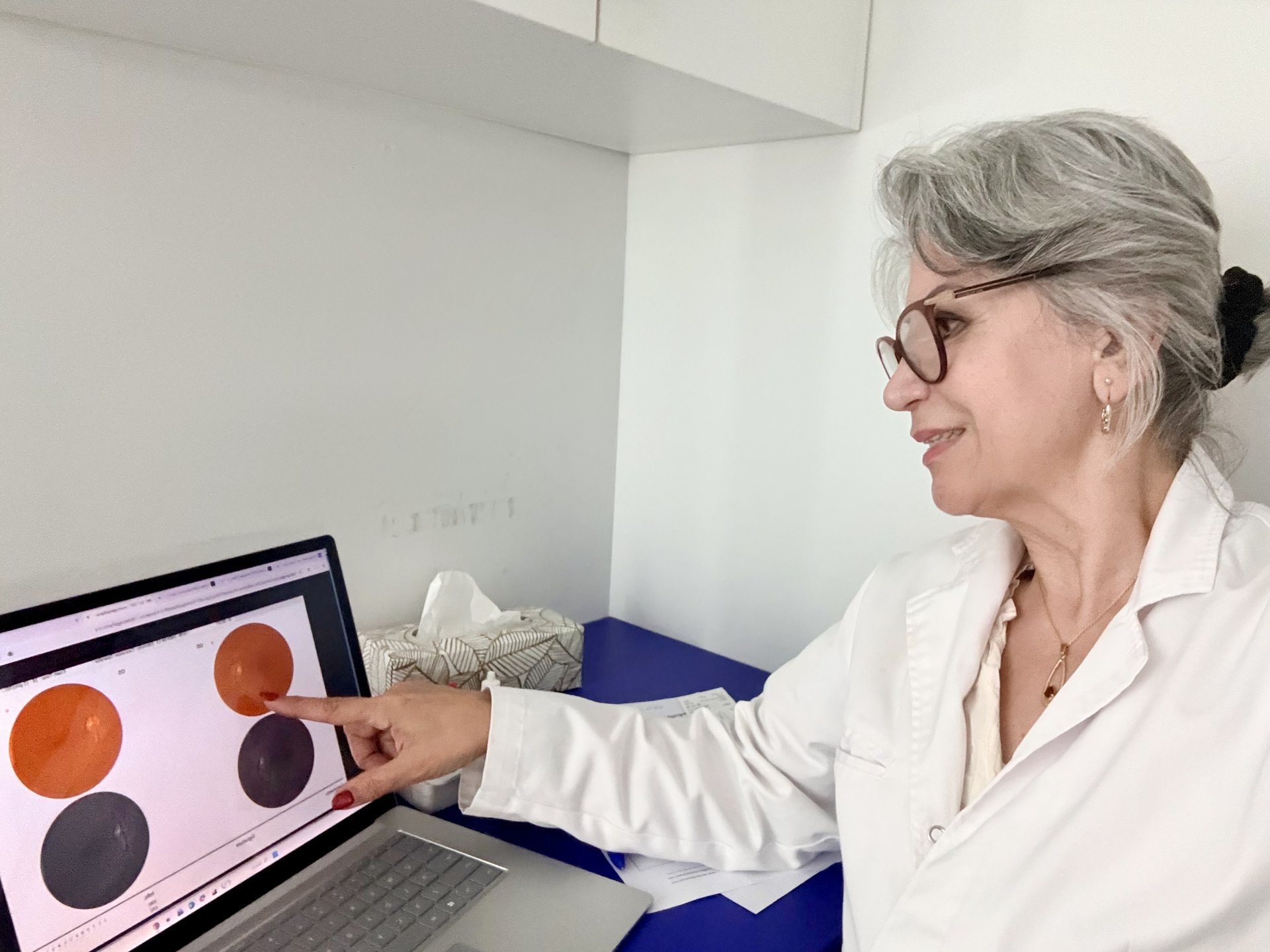
Written or medically reviewed by Dr. Roxanna Gangi, Optometrist
TL;DR: Eye problems don't always start with pain — they often begin with subtle changes that are easy to brush off. Sudden vision changes, new flashes of light, a sudden increase in floaters, eye pain or pressure, and double vision are five symptoms I always encourage patients to take seriously. Catching them early can protect your long-term sight.
Most people don't think much about their eyes until something suddenly feels "off." The tricky part is that eye problems don't always start with pain. Often, they begin with small changes that are easy to brush off. This article highlights five symptoms I always encourage patients to take seriously. Recognizing them early can make a real difference in protecting long-term vision.
1. Sudden change in vision
If your vision suddenly feels different — blurrier, darker, or distorted — it should never be ignored, even if it improves later.
Patients often describe:
- A shadow or curtain in part of their vision
- One eye suddenly not matching the other
- Straight lines looking bent or wavy
These changes can sometimes signal issues affecting the retina or circulation in the eye. A comprehensive eye exam helps us quickly determine what's going on and whether urgent care is needed.
2. New flashes of light
Flashes are often described as quick streaks or flickers, almost like a camera flash in the corner of your vision. A few occasional flashes can be normal with aging, but what matters is change:
- New flashes you haven't had before
- Increasing frequency
- Flashes combined with floaters
These symptoms can indicate traction inside the eye that needs prompt assessment. Read more in our guide to flashes and floaters and when to see an eye doctor.
3. Sudden increase in floaters
Floaters are small moving spots or threads that drift through your vision, especially against bright backgrounds. Most people notice a few over time, but you should be cautious if you suddenly see:
- A "shower" of black dots
- New cobweb-like shadows
- A sudden increase over hours or days
This can reflect changes in the gel inside the eye or stress on the retina — one of the more urgent common eye conditions we screen for.
4. Eye pain or persistent pressure
Mild dryness or fatigue is common, especially with screens. But true eye pain or pressure is different. Pay attention if you experience:
- Deep aching pain in or behind the eye
- Pain that doesn't improve with rest
- Redness with discomfort or light sensitivity
- Headache combined with vision changes
To investigate further, we may use advanced testing such as OCT (Optical Coherence Tomography) — a detailed scan of the retina and optic nerve — along with visual field testing that checks peripheral vision and nerve function. Both are part of our glaucoma screening and management workup and help detect issues that are not visible during a basic eye exam.
5. Double vision
Seeing two images of one object — even briefly — should always be checked. It may appear as:
- Side-by-side images
- Overlapping images
- Intermittent episodes that come and go
The cause can range from simple focusing issues to eye muscle imbalance or systemic conditions such as diabetes or thyroid disease. Because of that wide range, double vision should always be assessed promptly with a full binocular vision assessment.
When to seek urgent care
You should contact an eye care professional promptly if you notice:
- Flashes plus new floaters together
- Sudden vision loss or a curtain/shadow in your vision
- New double vision
- Eye pain with vision changes
If you are unsure, it is always safer to get checked.
Why early testing matters
Many serious eye conditions don't cause symptoms in the early stages. That's why testing plays such an important role. In my clinics, I use advanced diagnostics including retinal imaging, OCT scanning, visual field testing, and dry eye evaluation as part of our senior eye care and full-family exams.
Simple online checks you can do at home
We also offer helpful online screening tools so you can better understand your symptoms before your visit — from an Amsler grid to a dry eye symptom quiz. These tools don't replace an eye exam, but they can help you decide when to book an appointment.
Final thought
Your eyes usually give warning signs before serious problems develop. The key is not ignoring those early changes. If something feels different, new, or just "not right," it's worth having it checked. A comprehensive eye exam with Dr. Roxanna Gangi is the safest way to protect your vision and peace of mind — book an appointment at any of our York Region locations.
Ready to book your eye exam?
Book an appointment with Dr. Roxanna Gangi today at the Toronto and York Region location most convenient for you.
Book an Appointment