One Pupil Bigger Than the Other? Anisocoria Causes and Warning Signs
Written or medically reviewed by Dr. Roxanna Gangi, Optometrist
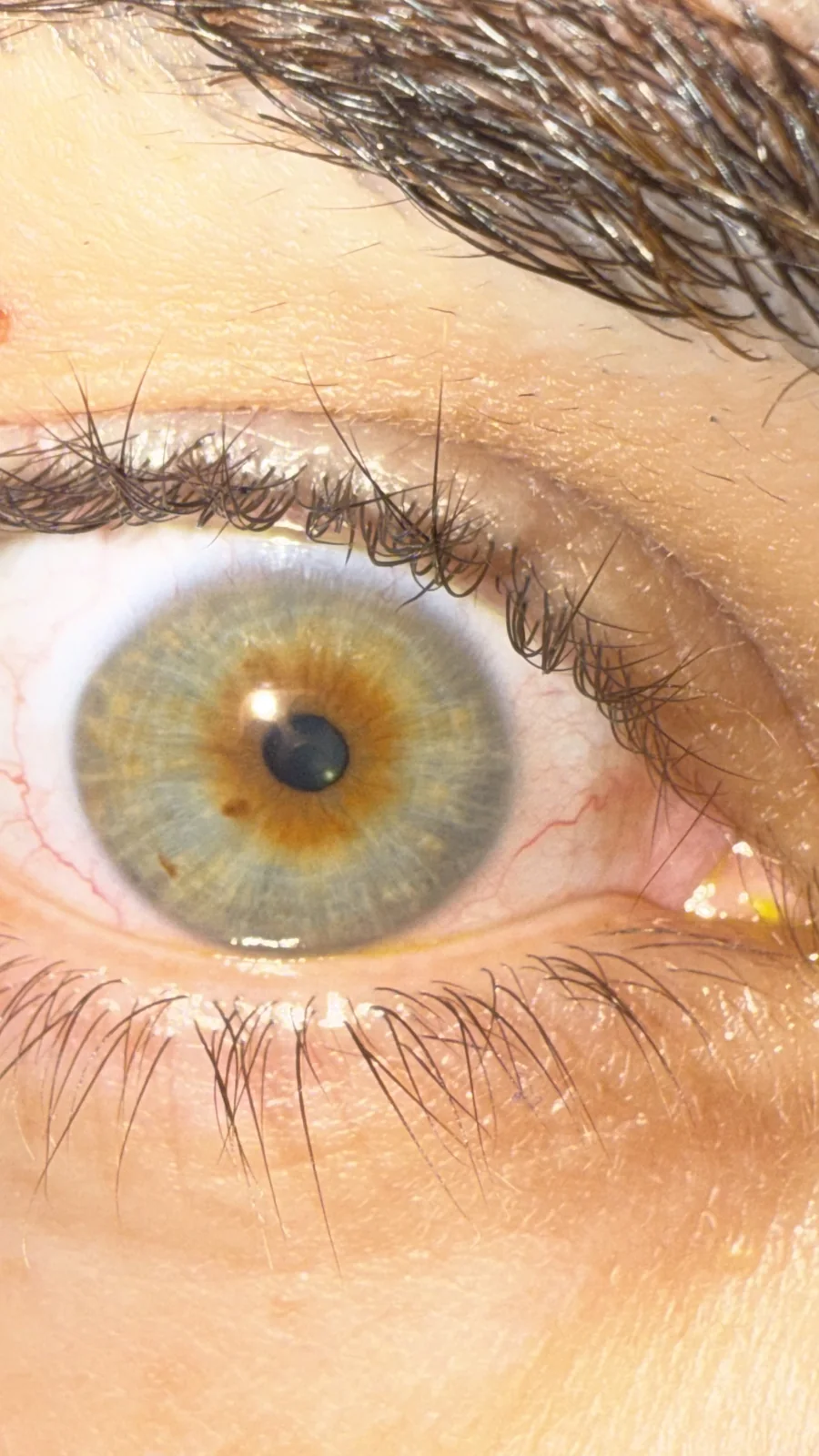
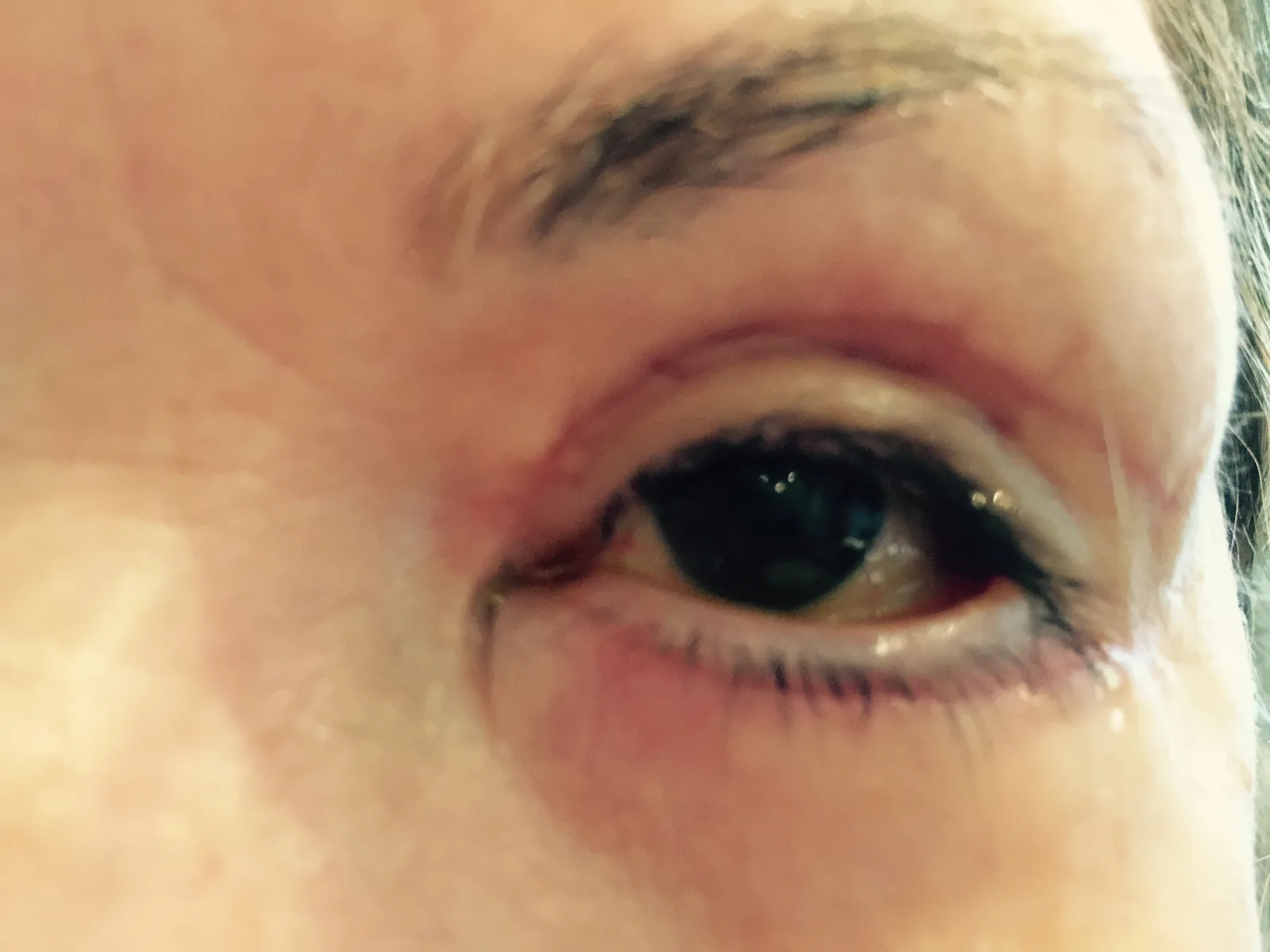
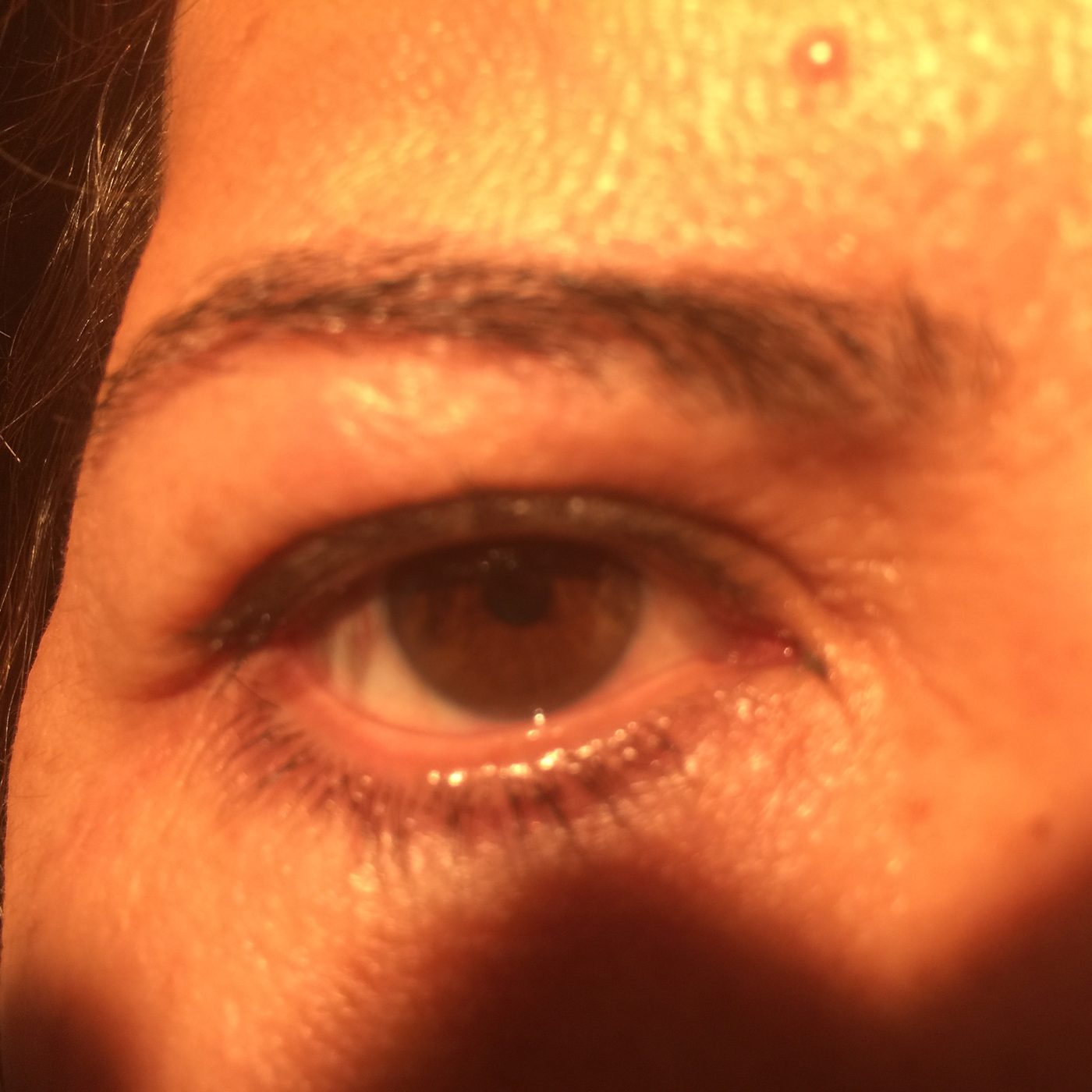
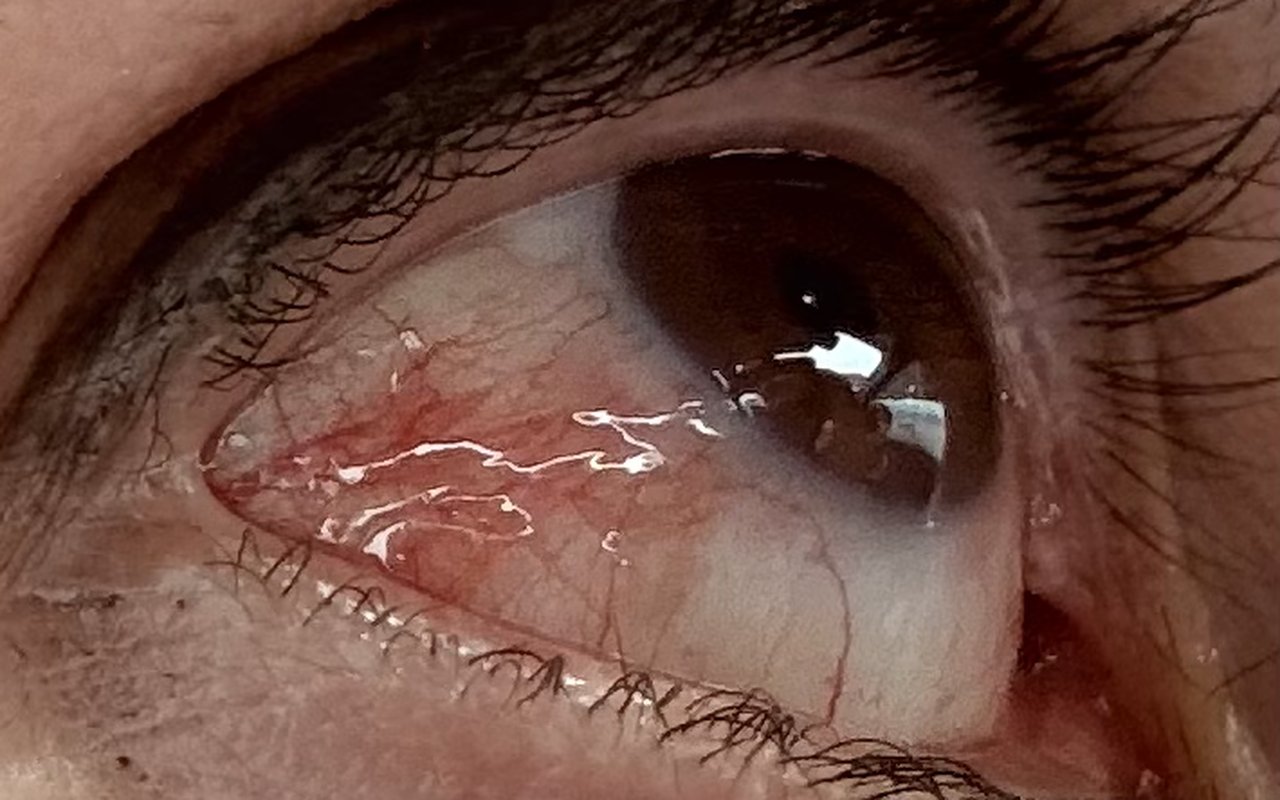
Noticing that one pupil is larger than the other can be unsettling. Sometimes the difference has been present for years and is simply a normal variation. At other times, a new change in pupil size can signal a problem affecting the eye or the nerves that control it.
The key questions are simple: Is the difference new? Does it change in bright or dim light? Are there other symptoms?
What is anisocoria?
Anisocoria is the medical term for unequal pupil sizes. The pupil is the dark opening in the centre of the iris. It becomes smaller in bright light and larger in dim light to control how much light enters the eye.
A small, stable difference is common in healthy people. Many discover it only after looking closely at an old photograph. If both pupils react normally, vision is unchanged, and there are no other symptoms, the finding may be physiological anisocoria—a harmless natural difference.
When unequal pupils need urgent attention
A new or sudden difference should be assessed promptly. Seek urgent medical attention when unequal pupils occur with a drooping eyelid, double vision, difficulty moving one eye, severe or unusual headache, eye pain, sudden blurred or lost vision, confusion, weakness, numbness, difficulty speaking, or recent head or eye trauma.
Those combinations can occasionally point to a neurological or eye emergency. Do not wait for an online test or a routine appointment when symptoms are severe or sudden; call emergency services.
Common reasons pupils look different
Normal physiological anisocoria is one possibility, but not the only one. Other causes include eye injury or surgery, inflammation inside the eye, migraine, certain prescription or over-the-counter medicines, and accidental exposure to a substance that affects one eye. Conditions involving the nerves that control the pupil can also cause unequal sizes.
Even common products can matter. An aerosol, medicated patch, inhaler, gardening plant, or eye drop transferred to one eye may temporarily alter a pupil. Tell the eye-care professional about all medications and possible exposures rather than assuming they are unrelated.
Old photos can be useful
If you are unsure whether the difference is new, look at clear photographs taken in similar lighting. A long-standing asymmetry visible across many years is generally more reassuring than a sudden change, although it does not replace an examination.
Bring those photos to the appointment. They can help establish timing and guide the assessment.
What happens during an eye examination?
Dr. Roxanna Gangi will compare the pupils in bright and dim conditions and observe how each responds to light. The examination may also assess visual acuity, colour vision, eye pressure, eyelid position, eye movements, the front of the eye, the optic nerve, and the retina.
A comprehensive eye exam helps determine whether the pupil difference is likely physiological or related to an eye condition. The common eye conditions service explains other symptoms and disorders that may be considered during a broader eye-health assessment.
When optic-nerve or side-vision concerns are present, additional testing may be recommended. The online Peripheral Vision Awareness Test is educational and can demonstrate how side vision contributes to daily life, but it cannot diagnose the cause of anisocoria.
What treatment is needed?
Physiological anisocoria usually needs no treatment. If a medicine or accidental exposure is responsible, the pupil often returns to normal after the effect wears off, although medication changes should only be made with professional advice. Inflammation, injury, glaucoma, or a neurological cause requires treatment directed at the underlying problem.
The purpose of the assessment is not to “make the pupils match.” It is to identify whether there is a cause that needs care.
Related reading
- Five Eye Symptoms You Should Never Ignore
- Headaches and Your Eyes: When an Eye Exam Can Help
- Why Eye Doctors Ask About Your Health
- Learn more about Dr. Roxanna Gangi
The bottom line
One pupil being slightly larger than the other is often harmless, especially when it has been stable for years and there are no other symptoms. A new change—particularly with ptosis, double vision, severe headache, weakness, eye pain, or trauma—needs prompt medical assessment. When in doubt, an examination is safer than trying to diagnose the cause from a mirror or photograph.
Ready to book your eye exam?
Book an appointment with Dr. Roxanna Gangi today at the Toronto and York Region location most convenient for you.
Book an Appointment