Winter UV Protection: Why Sunglasses Matter in the Snow
Written or medically reviewed by Dr. Roxanna Gangi, Optometrist
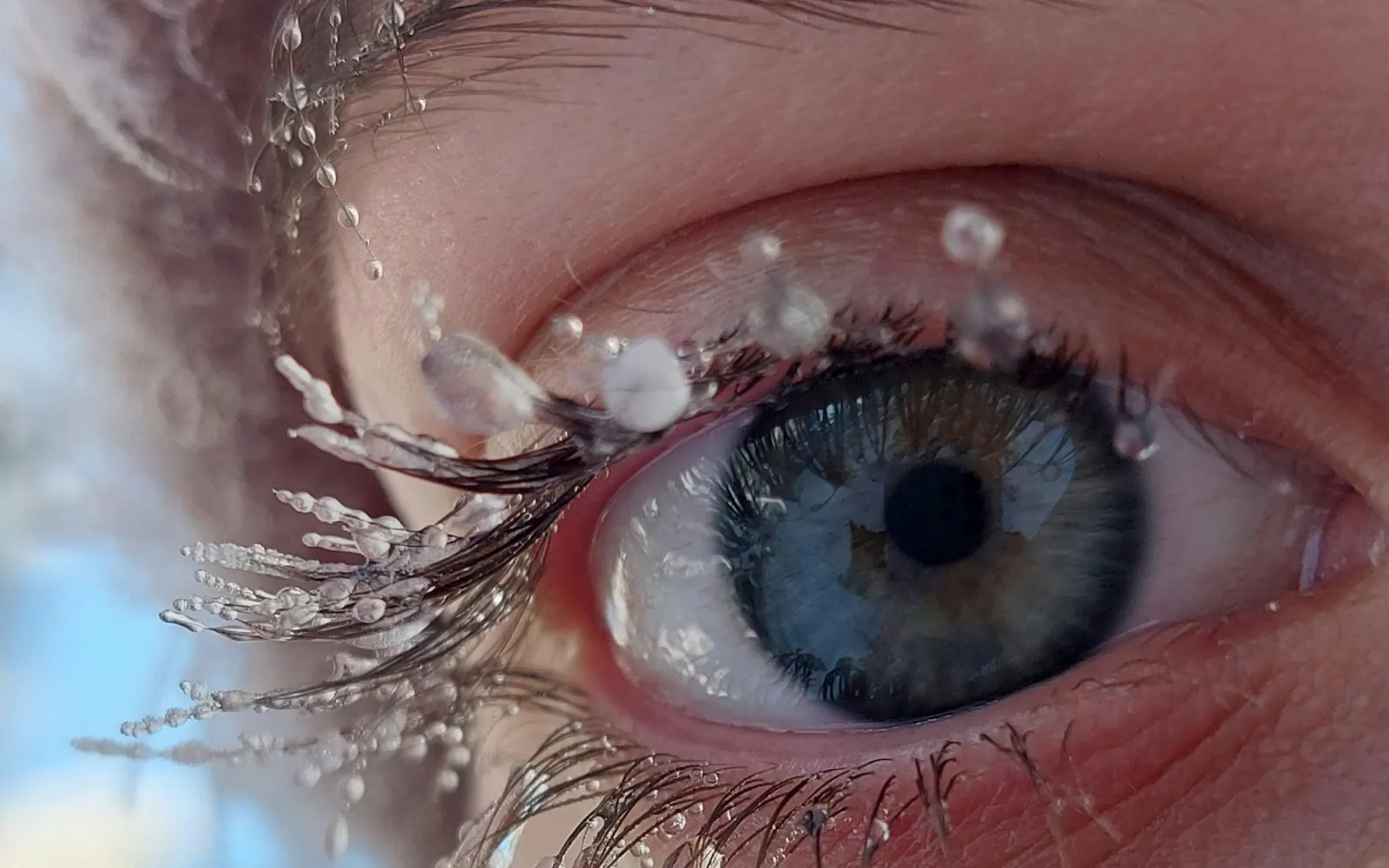
Most people think sunglasses are for beach days, patios, and summer driving.
But winter can be just as hard on your eyes.
In fact, snow can make sunlight feel even more intense because it reflects light back toward your face. So instead of light coming only from above, your eyes are getting hit from above and below.
That is why UV eye protection matters in the snow.
Dr. Roxanna Gangi often explains it this way: if the winter sun can still affect your skin, it can still affect your eyes. You may not feel the damage right away, but repeated UV exposure can build over time.
Snow glare is more than annoying
Snow glare can make your eyes water, squint, feel tired, or become sensitive to light. It can also reduce contrast, which matters when you are driving, walking on ice, skiing, or spending time outside.
If you have ever stepped outside on a bright snowy day and felt like your eyes needed a moment to recover, that is your visual system reacting to intense reflected light.
The American Optometric Association warns that UV exposure can affect the eyes and recommends sunglasses that block 100 percent of UVA and UVB rays.
Good winter sunglasses are not fashion only. They are eye protection.
How UV exposure affects the eyes
UV light can affect the front surface of the eye, the lens inside the eye, and other delicate tissues.
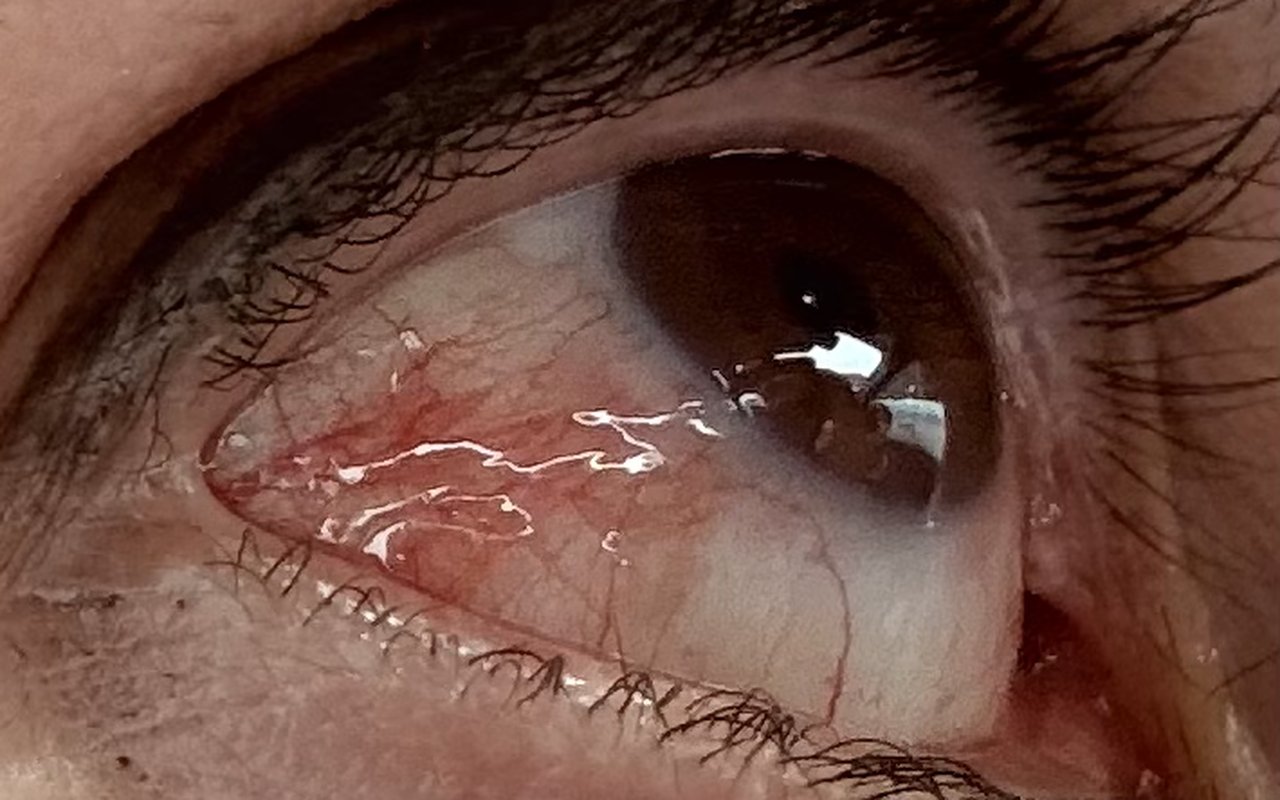
Short term overexposure can cause irritation or a painful condition often called snow blindness. Long term exposure may contribute to conditions such as cataracts and other eye health concerns.
That is where cataract prevention comes into the conversation.
Sunglasses cannot guarantee that you will never develop cataracts. Aging, genetics, diabetes, medications, and other factors can all play a role. But reducing UV exposure is still a smart protective habit.
Think of it like wearing sunscreen. It does not make you invincible, but it reduces unnecessary risk.
Dark lenses are not enough
A common mistake is thinking darker sunglasses are automatically better.
They are not.
The important detail is UV protection. A dark lens without proper UV filtering can actually be a problem because your pupils may open wider behind the dark lens, allowing more UV exposure if the lens is not protective.
Look for sunglasses that clearly say they block 100 percent of UVA and UVB rays.
For snow, polarized lenses can also help reduce glare. If you ski, snowboard, snowshoe, or spend long hours outdoors, wraparound sunglasses or UV protective goggles are often better because they reduce light entering from the sides.
Why an eye exam matters
UV damage is not something you can easily see in the mirror.
During a comprehensive eye exam, Dr. Roxanna Gangi can check the front surface of the eye, the natural lens, the retina, and other structures that may show signs of long term stress or change.
This connects directly to our pillar article, Why Your 2026 Eye Exam Is More Than a Prescription Update. Your eye exam is not just about whether your glasses changed. It is also a health screening.
Your eyes are like a mirror. Sun exposure, dryness, diabetes, aging, and lifestyle can all leave clues.
Winter eye protection is simple
You do not need to overcomplicate this.
Wear proper UV blocking sunglasses on bright winter days. Use goggles for snow sports. Be extra careful around snow, ice, water, and open spaces. Do not ignore light sensitivity, pain, sudden blur, or vision changes.
If your eyes feel unusually sensitive in winter, if night driving has become harder, or if you are overdue for an exam, book an appointment with Dr. Roxanna Gangi.
You can also visit the services page, try online tests as a basic awareness tool, or learn more about Dr. Roxanna Gangi.
The best way to protect your vision is with a comprehensive eye exam.
Dr. Roxanna Gangi welcomes patients across the GTA. See all clinic locations to find the most convenient office for you.
Ready to book your eye exam?
Book an appointment with Dr. Roxanna Gangi today at the Toronto and York Region location most convenient for you.
Book an Appointment