Contact Lens Hygiene 101: Preventing Infections in 2026
Written or medically reviewed by Dr. Roxanna Gangi, Optometrist

Contact lenses are easy to love.
They do not fog up in winter. They do not slide down your nose. They do not get in the way during sports. For many people, they feel like freedom.
But contact lenses are not just beauty or convenience products.
They are medical devices that sit directly on the eye.
That is why contact lens care matters. Not in a dramatic way. In a very practical, everyday way.
Dr. Roxanna Gangi often tells patients that contact lens hygiene is like brushing your teeth. It is simple, repetitive, and easy to underestimate until there is a problem.
Your eye surface is delicate
The front of the eye has to stay clear, smooth, moist, and healthy for vision to feel comfortable.
A contact lens sits on that surface for hours. If the lens is clean, properly fitted, and worn correctly, it can be safe and comfortable. But if lenses are overworn, cleaned poorly, exposed to water, or stored in an old case, the risk of irritation or infection goes up.
The American Optometric Association reminds contact lens wearers to follow proper care instructions and have regular eye exams.
That is not just formal advice. It is how you protect your vision.
Never mix contacts and water
This is one of the biggest rules.
Do not rinse contacts with tap water. Do not store them in water. Do not shower in them. Do not swim in them unless Dr. Roxanna Gangi has discussed a specific safe plan with you.
Water can contain organisms that do not belong on a contact lens. Once a lens traps them against the eye, the situation can become serious.
Use proper contact lens solution only.
Your contact lens case is not a tiny bathtub. It is a sterile storage space, and it needs to stay that way.
Fresh solution every time
Do not top up yesterday’s solution.
Throw out old solution, rinse the case with fresh solution, and let it air dry as directed.
Replace the case regularly.
A lens case can look clean and still carry buildup. Think of it like a toothbrush. You do not keep it forever just because it still looks usable.
Sleeping in contacts is risky
Some contact lenses are approved for overnight wear, but that does not mean sleeping in lenses is right for everyone.
When you sleep in contacts, less oxygen reaches the cornea. The risk of infection can increase. Your eyes may wake up red, dry, irritated, or uncomfortable.
For many people, the safest habit is simple: take them out before sleeping.
Dr. Roxanna Gangi can tell you what is appropriate based on your lens type, eye surface, tear film, and overall eye health.
Redness is not something to push through
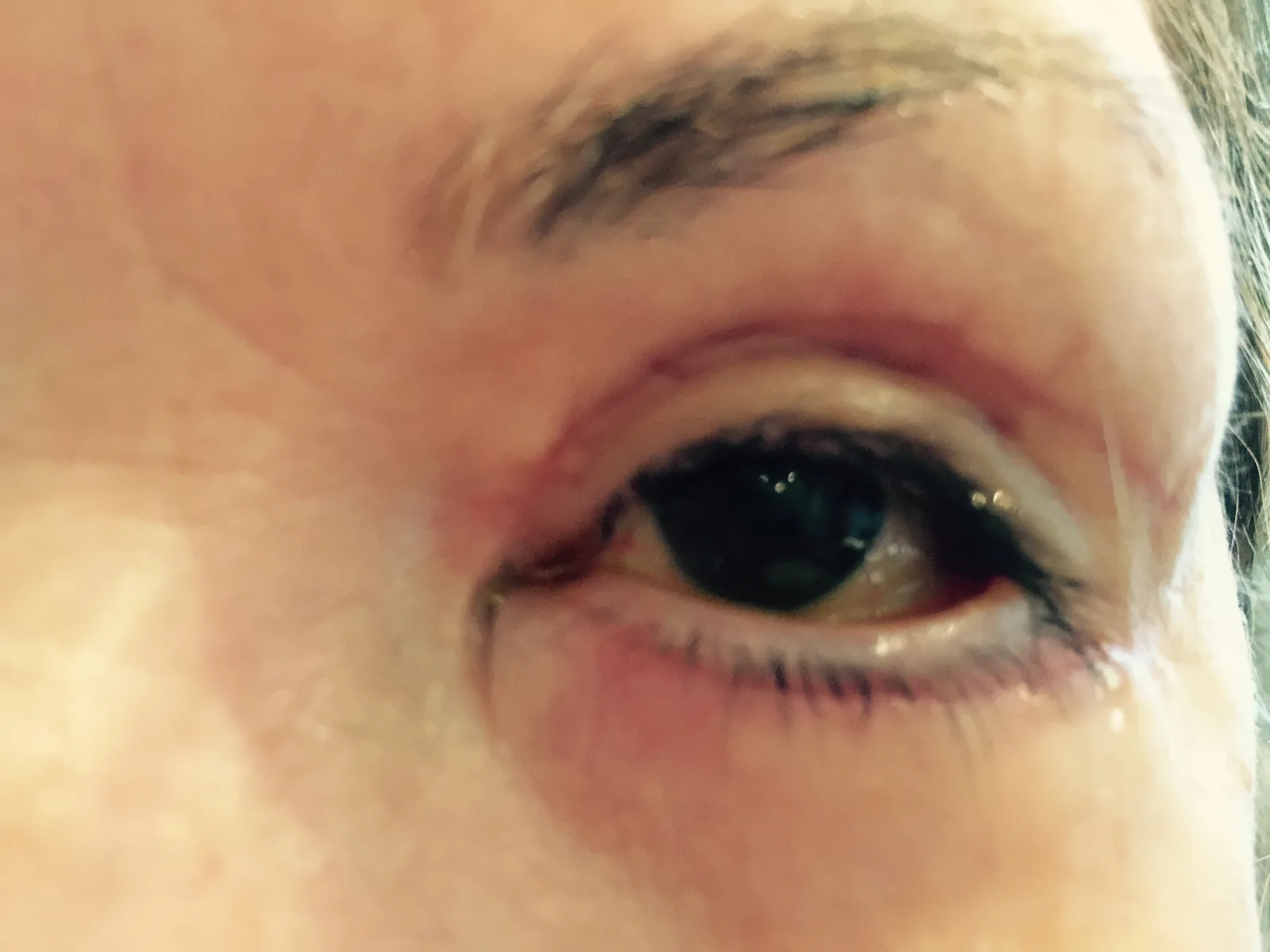
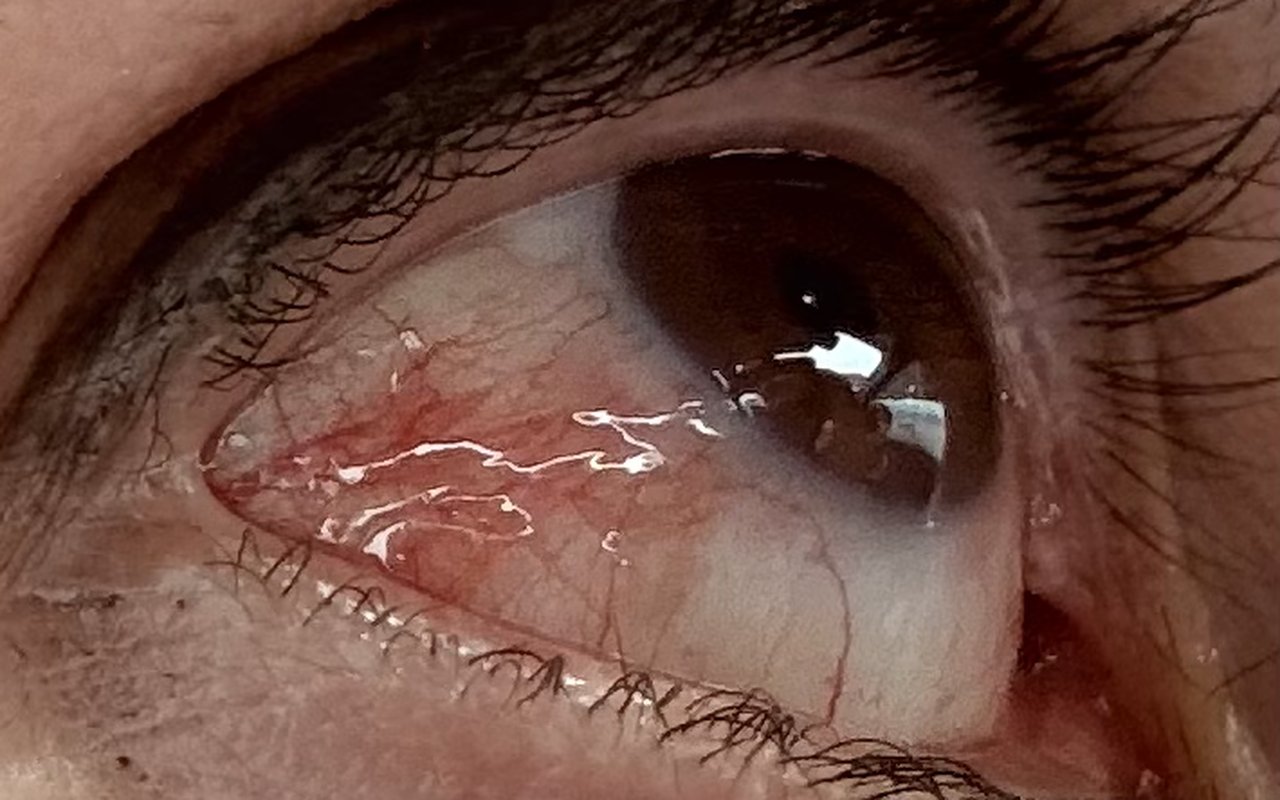
If your eye is red, painful, sensitive to light, watery, producing discharge, or suddenly blurry, remove the contact lens and book an appointment.
Do not put the lens back in to see if it feels better.
Your eye is not a testing ground.
Eye infection prevention depends on taking symptoms seriously early, not waiting until the eye is very painful.
Contacts or glasses?
Contacts are great for many people, but they are not automatically the best choice for everyone.
Dry eye, allergies, long screen hours, poor hygiene habits, and certain work environments can make contact lenses more difficult.
If you are still deciding between glasses and contacts, Dr. Roxanna Gangi can help you weigh the options based on your lifestyle.
If you already wear contacts and your eyes feel dry by afternoon, a tear film and dry eye assessment may help identify what is going on.
Why Dr. Roxanna Gangi checks more than your prescription
A contact lens exam is not just a glasses exam with lenses added.
Dr. Roxanna Gangi checks how the lens sits on the eye, how the eye surface responds, whether dryness is affecting comfort, and whether the lens schedule fits your lifestyle.
Your glasses prescription and contact lens prescription are not the same thing. Contacts sit on the eye, so fit and eye health matter.
Online tests can help you notice general vision changes, but they cannot check lens fit, corneal health, or infection risk.
The simple contact lens safety checklist
Wash and dry your hands before handling lenses.
Use fresh solution.
Avoid water.
Replace your case.
Follow the wearing schedule.
Do not sleep in lenses unless approved.
Do not ignore redness, pain, or light sensitivity.
If you want contact lenses or your current lenses are no longer comfortable, book an appointment with Dr. Roxanna Gangi.
You can also visit the services page or learn more about Dr. Roxanna Gangi. Want to understand what your eye exam really covers? Read our pillar article, Why Your 2026 Eye Exam Is More Than a Prescription Update.
The best way to protect your vision is with a comprehensive eye exam.
Dr. Roxanna Gangi welcomes patients across the GTA. See all clinic locations to find the most convenient office for you.
Ready to book your eye exam?
Book an appointment with Dr. Roxanna Gangi today at the Toronto and York Region location most convenient for you.
Book an Appointment