Dry Eye Solutions: Managing Seasonal Irritation in Toronto
Written or medically reviewed by Dr. Roxanna Gangi, Optometrist

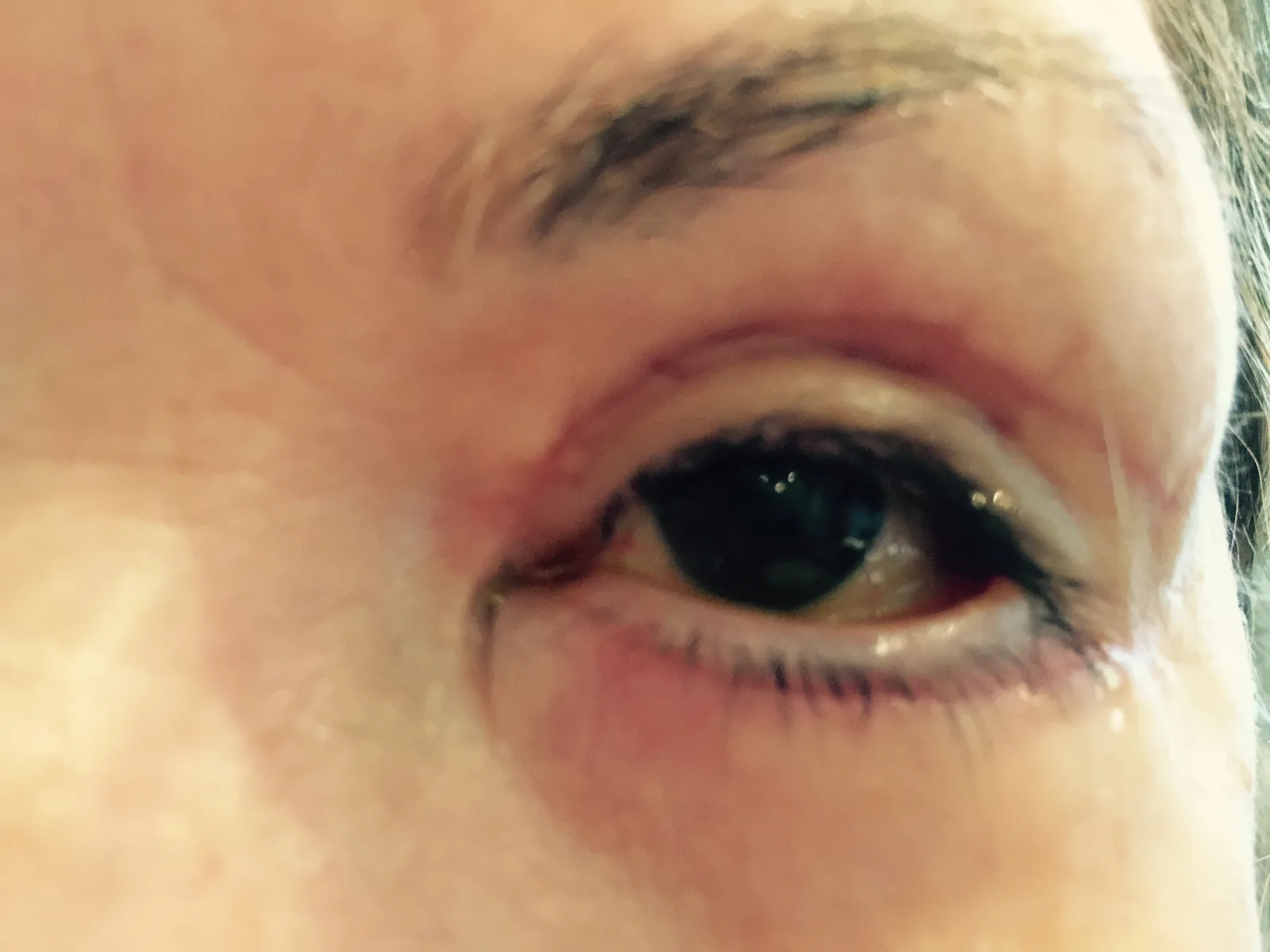
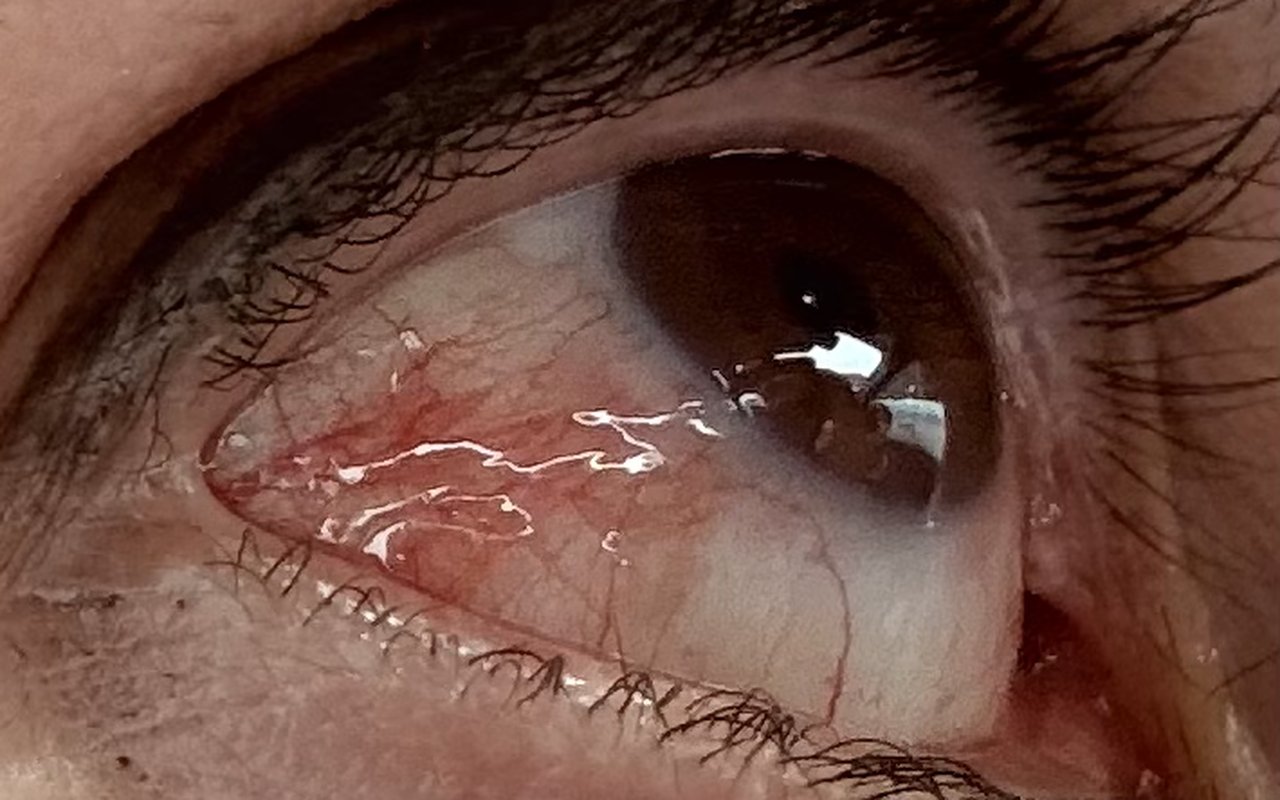
Dry eye is a strange name because dry eye does not always feel dry.
Sometimes it burns.
Sometimes it waters.
Sometimes it feels gritty, tired, sticky, heavy, or blurry.
Some people say, “I keep blinking to clear my vision.” Others say, “My glasses feel wrong by the afternoon.”
That is why dry eye treatment starts with understanding the cause, not just buying another bottle of drops.
Dr. Roxanna Gangi often explains it this way: your tear film is like the clear front window of your vision. If that window is unstable, even the right prescription may not feel sharp.
Why dry eye happens
Your tears are more complicated than people think.
They are not just water. They include layers that protect the eye surface, keep vision smooth, and help prevent irritation.
When those layers are not working well, the eye surface becomes unstable.
Dry eye can be triggered by screen use, aging, medications, contact lenses, allergies, indoor heating, air conditioning, wind, hormonal changes, eyelid inflammation, autoimmune conditions, and seasonal weather.
In Toronto winters, indoor heat and cold wind can make symptoms worse. In spring and summer, allergies can add more irritation.
Screen time and dry eye
Screen time is one of the biggest modern dry eye triggers.
When people stare at screens, they blink less. Less blinking means the tear film does not refresh properly.
That is why dry eye and digital eye strain often show up together.
If your eyes feel worse after laptop work, Zoom calls, or phone use, read The 20 20 20 Rule: Ending Digital Eye Strain in the Remote Work Era.
The American Optometric Association describes computer vision syndrome as a group of eye and vision problems related to prolonged screen use. That is one reason Dr. Roxanna Gangi asks about your real workday, not just your prescription.
Eye drops can help, but they may not solve it
Artificial tears can be useful.
But not every drop is right for every patient. Some are better for mild dryness. Some are thicker. Some are preservative free. Some redness relief drops are not ideal for frequent use.
If you keep using drops and the symptoms always come back, the drops may be helping the surface temporarily without treating the underlying issue.
That is the difference between quick relief and professional care.
Chronic dry eye needs a plan
Chronic dry eye often needs more than one step.
Dr. Roxanna Gangi may check the tear film, eyelids, oil glands, blinking pattern, contact lens comfort, medications, allergies, and screen habits.
Treatment may include lubricating drops, warm compresses, eyelid hygiene, prescription therapy, contact lens changes, environmental changes, or referral when needed.
The goal is not just to make the eyes wet for ten minutes.
The goal is to make vision more stable and the eye surface healthier.
Why dry eye can feel like blurry vision
Dry eye can make your vision come and go.
You blink, and things clear for a few seconds. Then it blurs again.
That happens when the tear film breaks up between blinks. It is like trying to look through a windshield where the wipers are not working properly.
This is why a dry eye assessment can be so useful. It helps Dr. Roxanna Gangi find the reason behind the discomfort.
Food and dry eye
Nutrition can also support eye comfort for some patients.
Omega 3 fats, hydration, and a balanced diet may help support the body’s inflammation balance and tear quality. For more on food and eye health, read Nutrition for Sight: Top Foods to Help Protect Your Vision.
Food is not a replacement for care, but it can be part of the bigger picture.
When to book an appointment
Book an appointment with Dr. Roxanna Gangi if you have burning, stinging, gritty eyes, watery eyes, redness, contact lens discomfort, light sensitivity, blurry vision that changes during the day, or symptoms that keep returning.
Online tools can help you notice vision changes, but online tests cannot diagnose dry eye or check the glands and eye surface properly.
The takeaway
Dry eye is not something you have to keep guessing about.
If your eyes feel irritated, blurry, tired, or watery, there may be a reason behind it. Dr. Roxanna Gangi can help identify the cause and build a better plan.
You can book an appointment with Dr. Roxanna Gangi, visit the services page, or learn more about Dr. Roxanna Gangi.
The best way to protect your vision is with a comprehensive eye exam.
Related articles
- The 20 20 20 Rule: Ending Digital Eye Strain in the Remote Work Era
- Nutrition for Sight: Top Foods to Help Protect Your Vision
- Contact Lens Hygiene 101: Preventing Infections in 2026
Dr. Roxanna Gangi welcomes patients across the GTA. See all clinic locations to find the most convenient office for you.
Ready to book your eye exam?
Book an appointment with Dr. Roxanna Gangi today at the Toronto and York Region location most convenient for you.
Book an Appointment