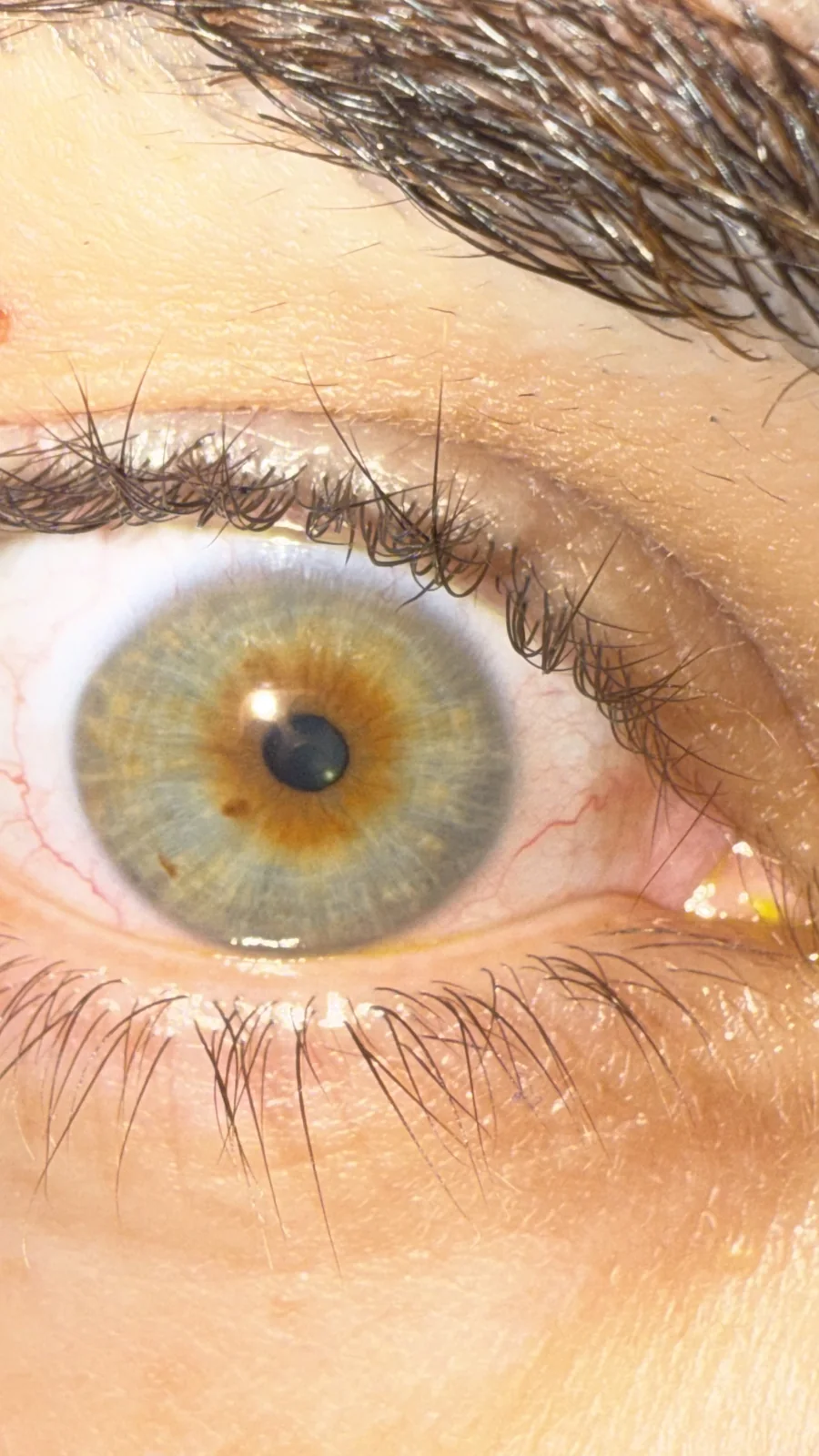
Why Does Your Eye Doctor Ask So Many Questions About Your Health During an Eye Exam?
Written or medically reviewed by Dr. Roxanna Gangi, Optometrist
Have you ever sat down for an eye exam and wondered why you’re being asked about your blood pressure, cholesterol, diabetes, medications, or even your family medical history?
It’s a fair question.
Most people come in expecting a discussion about blurry vision, glasses, contact lenses, or whether their prescription has changed. So when I start asking questions about your overall health, it can seem unrelated to your eyes.
As Dr. Roxanna Gangi, I often explain to patients that an eye exam is about much more than seeing clearly. Your eyes are connected to the rest of your body, and sometimes they can reveal signs of health conditions long before symptoms appear elsewhere.
That’s why reviewing your medical history is such an important part of a comprehensive eye exam.
Your Eyes Can Tell Us More Than You Might Expect
You’ve probably heard the phrase, “The eyes are the window to the soul.” In healthcare, we often say the eyes can be a window to the body.
Unlike many other parts of the body, the inside of the eye allows us to directly observe blood vessels, nerves, and other important structures without surgery or invasive testing.
When I examine the retina at the back of the eye, I’m not just checking your vision. I’m also looking for changes that may be associated with certain health conditions.
These may include:
- High blood pressure
- Diabetes
- High cholesterol
- Circulatory disorders
- Certain neurological conditions
This doesn’t mean an eye exam replaces medical testing from your family doctor. However, it does mean that the eyes can sometimes provide valuable clues about your overall health.
Why Your Eye Doctor Asks About Blood Pressure, Diabetes, and Cholesterol
Many of the questions I ask during an eye exam are designed to help me understand your risk factors and interpret what I’m seeing inside your eyes.
High Blood Pressure and Eye Health
High blood pressure affects blood vessels throughout the body, including the tiny vessels that nourish the retina.
Over time, uncontrolled hypertension can cause changes in these vessels. During an eye examination, we may observe narrowing, thickening, or other retinal changes associated with long-term elevated blood pressure.
What makes this important is that many people with high blood pressure feel completely normal.
They may have no symptoms at all.
That’s one reason routine eye examinations can play an important role in monitoring overall health.
Diabetes and the Eyes
Diabetes is one of the most common systemic conditions that affects vision.
Elevated blood sugar levels can damage the small blood vessels inside the retina, leading to a condition known as diabetic retinopathy.
One of the challenges with diabetic eye disease is that it often develops silently. A person may continue seeing well while early changes are already occurring inside the eye.
This is why regular diabetic eye exams are so important for anyone living with diabetes.
Early detection gives us the opportunity to monitor changes closely and coordinate care when necessary.
Cholesterol and Circulation
Patients are sometimes surprised when I ask about cholesterol levels.
The reason is simple: healthy vision depends on healthy blood flow.
When cholesterol contributes to narrowing or blockage of blood vessels, circulation can be affected throughout the body, including the eyes.
Certain retinal findings may prompt additional questions about cardiovascular health, cholesterol levels, or circulation issues.
The eyes don’t exist in isolation. They’re part of a much larger system.
Why We Need to Know What Medications You’re Taking
Another question I hear frequently is:
“What do my medications have to do with my eye exam?”
The answer is: quite a lot.
Many medications can affect the eyes or vision in different ways. Some may contribute to dry eye symptoms, while others can affect focusing ability, pupil size, or eye pressure.
When you tell me what medications you’re taking, it helps me understand the bigger picture.
It also allows me to distinguish between symptoms that may be related to an eye condition and those that could be medication-related.
This is particularly important if you’re experiencing issues such as:
- Dry eyes
- Blurry vision
- Light sensitivity
- Fluctuating vision
- Eye discomfort
The more information I have, the better I can assess your eye health accurately.
Looking Beyond Glasses and Prescriptions
Many people still think of an eye exam as a way to determine whether they need stronger glasses.
While updating your prescription is certainly important, it’s only one part of what happens during a comprehensive examination.
When I perform an eye exam, I’m also evaluating:
- The health of the retina
- The optic nerve
- Blood vessels inside the eye
- Eye pressure
- Signs of eye disease
- Changes that may be associated with systemic health conditions
This is one reason routine eye examinations remain important even if you feel your vision hasn’t changed.
In fact, some of the most significant findings occur in patients who have no symptoms at all.
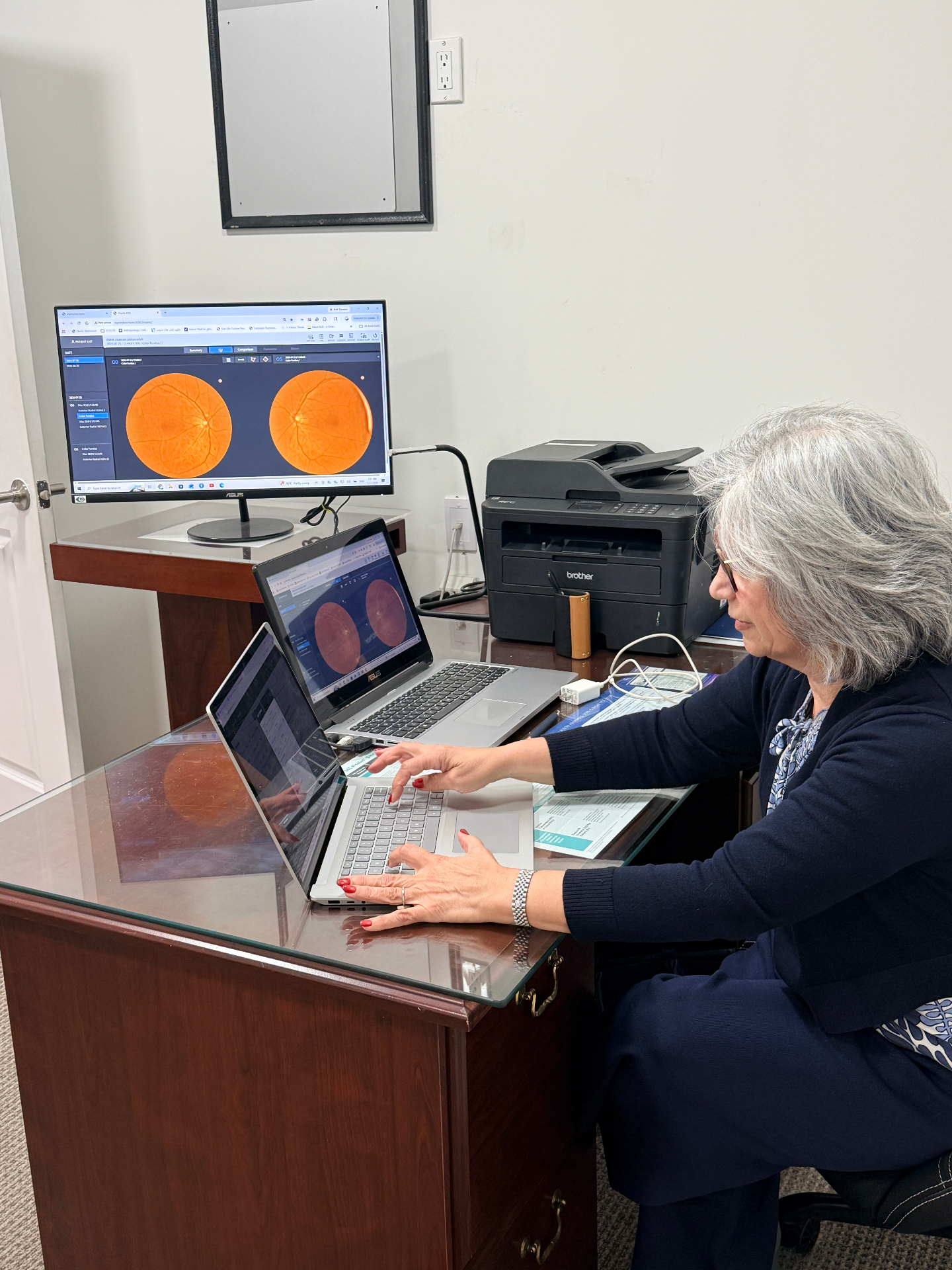
Modern technologies such as digital retinal imaging allow us to document and monitor changes over time, helping us identify subtle issues that may otherwise go unnoticed.
Why Family History Matters More Than You Think
If you’ve ever been asked whether a parent, sibling, or grandparent had an eye disease, there’s a good reason.
Certain eye conditions have a hereditary component.
Family history can increase the risk of developing conditions such as:
- Glaucoma
- Age-related macular degeneration
- Certain retinal diseases
Knowing this information helps me determine how closely certain aspects of your eye health should be monitored.
Even if your eyes feel perfectly healthy today, family history can influence the recommendations I make for future care.
You can learn more about glaucoma and early detection, especially if the condition runs in your family.
The Bigger Picture: Your Health and Your Vision Are Connected
One of the most rewarding parts of being an optometrist is helping patients understand that eye care is healthcare.
Your eyes don’t operate separately from the rest of your body. Conditions such as diabetes, high blood pressure, cholesterol disorders, and vascular disease can all influence what we see during an eye examination.
That’s why those health questions at the beginning of your appointment are not just routine paperwork.
They’re an important part of understanding your overall health and protecting your long-term vision.
As Dr. Roxanna Gangi, my goal is not only to help patients see clearly but also to identify potential concerns before they become bigger problems. Whether you’re visiting one of our clinics in Aurora, Newmarket, Thornhill, Vaughan, or Richmond Hill, a thorough medical history helps ensure you receive the most complete eye care possible.
If it has been a year or more since your last eye exam, consider booking a comprehensive eye examination. A routine visit can help detect eye diseases early, monitor changes in your vision, and provide valuable insight into your overall eye health.
Sometimes the most important part of an eye exam isn’t the prescription—it’s the information your eyes may be telling us about the rest of your body.
Ready to book your eye exam?
Book an appointment with Dr. Roxanna Gangi today at the Toronto and York Region location most convenient for you.
Book an Appointment