Senior Eye Exams in Ontario: What OHIP Covers and Why They Matter
Written or medically reviewed by Dr. Roxanna Gangi, Optometrist
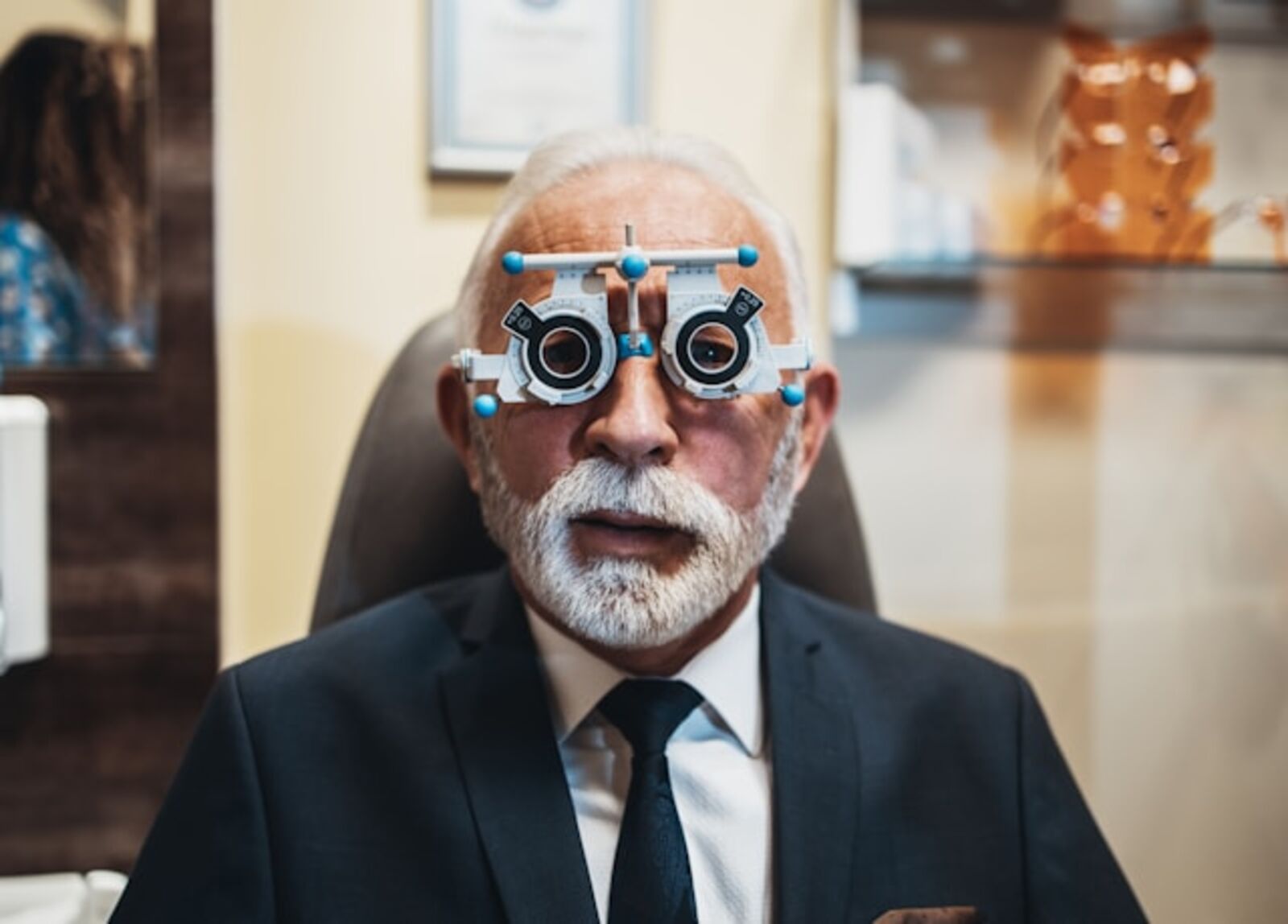
Vision changes are easy to blame on age. Reading feels a little harder. Night driving becomes less comfortable. The TV looks slightly blurry. Glare from headlights feels stronger than it used to. Many people wait until these changes become frustrating before booking an eye exam.
For seniors, that delay can matter.
A senior eye exam is not only about updating glasses. It is also a careful check of the health of the eyes. Some eye conditions develop slowly and quietly, even when vision still feels normal. Cataracts, glaucoma, macular degeneration, diabetic eye disease, dry eye disease, and retinal problems are all more common with age.
Dr. Roxanna Gangi provides senior eye exams for patients across Aurora, Newmarket, Richmond Hill, Thornhill, Vaughan, and nearby communities in York Region and the Greater Toronto Area.
Are senior eye exams covered by OHIP in Ontario?
Yes, many senior eye exams are covered by OHIP in Ontario.
Under the current Ontario rules, adults aged 65 and older who do not have an eligible medical eye condition are covered for one major eye exam every 18 months, plus up to two OHIP eligible minor assessments when needed. Seniors who have certain eligible eye related medical conditions may be covered for one major eye exam every 12 months.
Eligible conditions may include diabetes, glaucoma, significant cataracts, progressive retinal disease such as macular degeneration, active uveitis, certain corneal or optic nerve conditions, sudden onset strabismus due to disease or injury, and monitoring related to medications such as hydroxychloroquine, chloroquine, ethambutol, or tamoxifen.
It is important to understand what this means in real life. OHIP coverage usually applies to the insured eye exam itself. Extra testing, imaging, specialty scans, glasses, contact lenses, treatments, and products may not always be covered. If extra testing is recommended, the reason should be explained clearly before proceeding.
Why senior eye exams are so important
Many serious eye conditions do not announce themselves clearly in the beginning.
Glaucoma can affect side vision first, while central vision still seems fine.
Macular degeneration can slowly affect reading, face recognition, and central detail.
Cataracts can make colours duller, increase glare, and make night driving harder.
Diabetes can affect the retina before the patient notices a major change in sight.
Dry eye disease can cause burning, tearing, fluctuating vision, and discomfort, even when the glasses prescription is not the main issue.
That is why a senior eye exam should be treated as preventive care, not just a glasses visit.
A proper exam can catch changes earlier, monitor known conditions, and help decide whether treatment, updated glasses, imaging, follow up, or referral to an ophthalmologist is needed.
What happens during a senior eye exam?
A senior eye exam usually starts with a conversation. This part matters more than many people realize.
Dr. Roxanna Gangi may ask about vision changes, reading, night driving, glare, headaches, floaters, flashes, dryness, medications, diabetes, blood pressure, previous eye surgery, family history, and current glasses.
The exam may include:
- Vision testing to measure how clearly each eye sees
- Prescription check for glasses
- Eye pressure measurement
- Pupil testing
- Eye movement and focusing assessment
- Front of eye examination, including eyelids, cornea, lens, and tear film
- Retinal examination to assess the back of the eye
- Optic nerve assessment for glaucoma risk
- Macular assessment for age related retinal changes
- Discussion of results and next steps
Some patients may also need retinal imaging, OCT scan, visual field testing, dry eye assessment, or referral for further medical care. Not every patient needs every test. The right plan depends on symptoms, risk factors, and exam findings.
When should a senior book an eye exam?
A senior should not wait until vision becomes poor.
For many adults 65 and older, the routine OHIP covered interval is every 18 months if there is no eligible medical eye condition. Seniors with eligible conditions may qualify every 12 months.
Book sooner if there is:
- Sudden blurry vision
- New floaters
- Flashes of light
- Eye pain
- Double vision
- A curtain or shadow in vision
- Distorted lines
- Difficulty reading
- Worsening night driving
- Strong glare sensitivity
- A sudden prescription change
- Vision loss in one eye
These symptoms deserve attention. Some may be minor. Others can be urgent. If reading has become harder, especially after age 40, it may also relate to presbyopia, which can be assessed during a proper eye exam.
For seniors who still drive, night glare, reduced contrast, and peripheral vision changes are also reasons to consider proper driving vision testing.
Senior eye exams in Aurora, Newmarket, Richmond Hill, Thornhill, and Vaughan
Many families want an eye doctor close to home, especially when booking for a parent or grandparent.
Dr. Roxanna Gangi sees patients across several York Region locations, including Aurora and Newmarket in northern York Region.
Patients also visit from Richmond Hill, Thornhill, and Vaughan, making it easier to choose the clinic and appointment time that fits the patient’s schedule.
Patients should bring their Ontario health card, current glasses, medication list, eye drops, diabetes information if relevant, and any notes about symptoms. If a family member helps manage appointments, having them present can also be useful.
Book a senior eye exam with Dr. Roxanna Gangi
If you are 65 or older, or you are helping a parent book an appointment, a senior eye exam is one of the simplest ways to protect long term vision.
Book a senior eye exam with Dr. Roxanna Gangi at the most convenient available location in Aurora, Newmarket, Richmond Hill, Thornhill, or Vaughan.
Related Articles
Ready to book your eye exam?
Book an appointment with Dr. Roxanna Gangi today at the Toronto and York Region location most convenient for you.
Book an Appointment