Why I Talk to My Patients About Sun Protection at Every Age
Written or medically reviewed by Dr. Roxanna Gangi, Optometrist
TL;DR: Ultraviolet (UV) light is one of the few eye health risks we can almost completely control. Daily sun protection — from childhood through retirement — lowers the lifetime risk of cataracts, macular degeneration, pterygium, eyelid skin cancers, and short‑term injuries like snow blindness. At every comprehensive eye exam, I talk to patients about polarized, UV400 sunglasses, hats, and smart habits for screens, snow, water, and driving.
Why sun protection comes up at every visit
Hi, I am Dr. Roxanna Gangi, an optometrist serving Toronto and York Region. One of the questions I ask almost every patient — toddlers, teenagers, busy parents, and seniors — is some version of: "Do you wear sunglasses regularly?" The answer is often "Only in summer," or "Only when it is really bright." That is exactly why I bring it up.
UV exposure is cumulative. The eye does not bounce back from years of unprotected sunlight the same way skin does not bounce back from years of unprotected tanning. The good news is that small, consistent habits — started at any age — meaningfully lower long‑term risk.
What UV actually does to the eye
Sunlight contains UVA and UVB radiation. Both reach the surface of the eye, and over time they contribute to damage in several different structures:
- Eyelid skin — thin, delicate, and a common site for basal cell and squamous cell carcinomas.
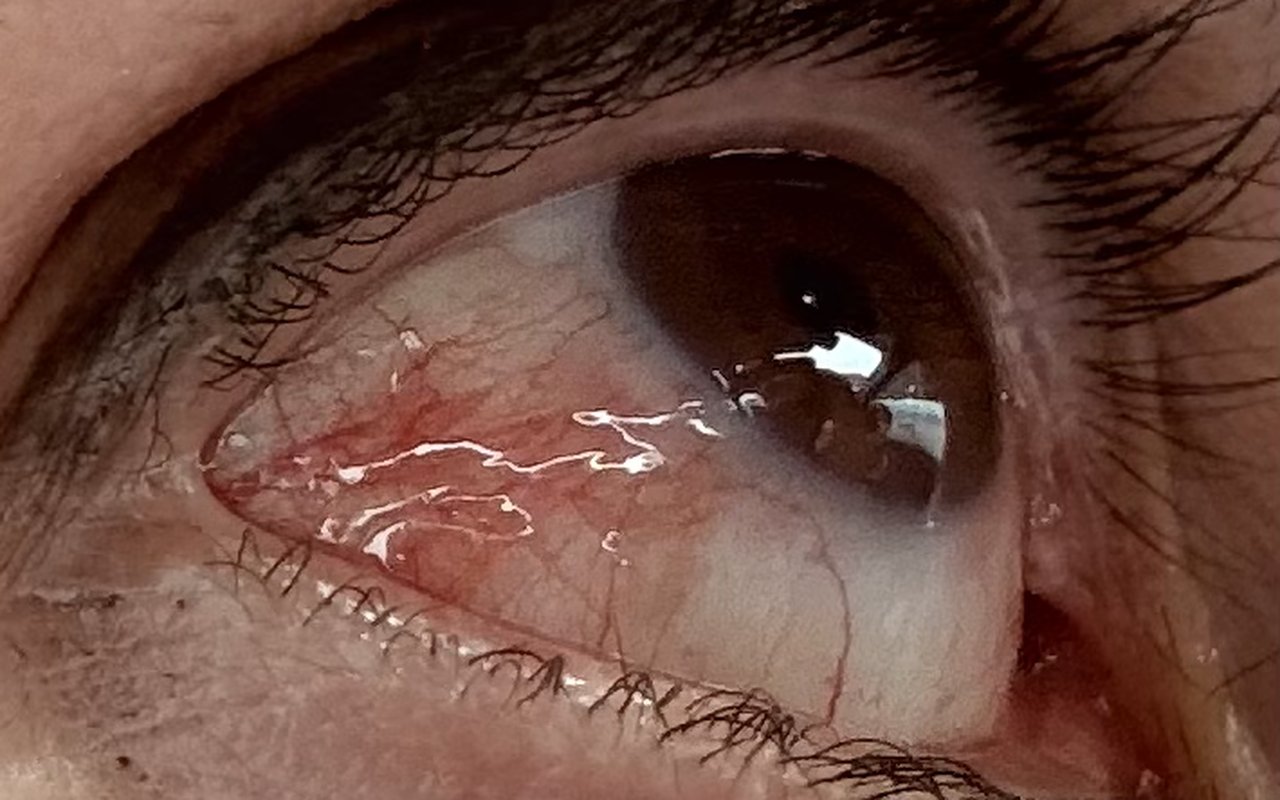
- Cornea and conjunctiva — vulnerable to short‑term burns (photokeratitis, sometimes called snow blindness) and long‑term growths like pterygium and pinguecula.
- Lens of the eye — UV exposure is a well‑documented risk factor for earlier and faster cataract formation.
- Retina and macula — chronic blue‑violet and UV exposure is associated with increased risk of age‑related macular degeneration.
These are not theoretical worries. They show up in chairs in my office every week, which is why we cover them under common eye conditions for every age group.
Sun protection by life stage
The conversation changes a little depending on age, but the principle stays the same: protect the eyes, every day, even when it is cloudy.
| Life stage | Why it matters | What I recommend |
|---|---|---|
| Infants and toddlers | The crystalline lens is very clear and lets more UV reach the retina than an adult eye does. | Wide‑brim hats, stroller shades, and soft‑frame UV400 sunglasses once they will tolerate them. |
| School‑age children | Most lifetime UV exposure happens before age 18 because kids spend more hours outdoors. | Sunglasses for recess and sports, plus a yearly children and family eye exam — see our notes on children and family eye care. |
| Teens and adults | Driving, water sports, ski hills, and reflective city surfaces all increase UV load. | Polarized UV400 lenses, photochromic options for glasses wearers, and brimmed hats for long days outside. |
| Adults 50 and over | Cataract changes, macular changes, and dry eye become more common; UV accelerates all three. | Daily sunglasses, regular dilated exams, and earlier follow‑up if vision changes — see senior eye care. |
What to look for in sunglasses
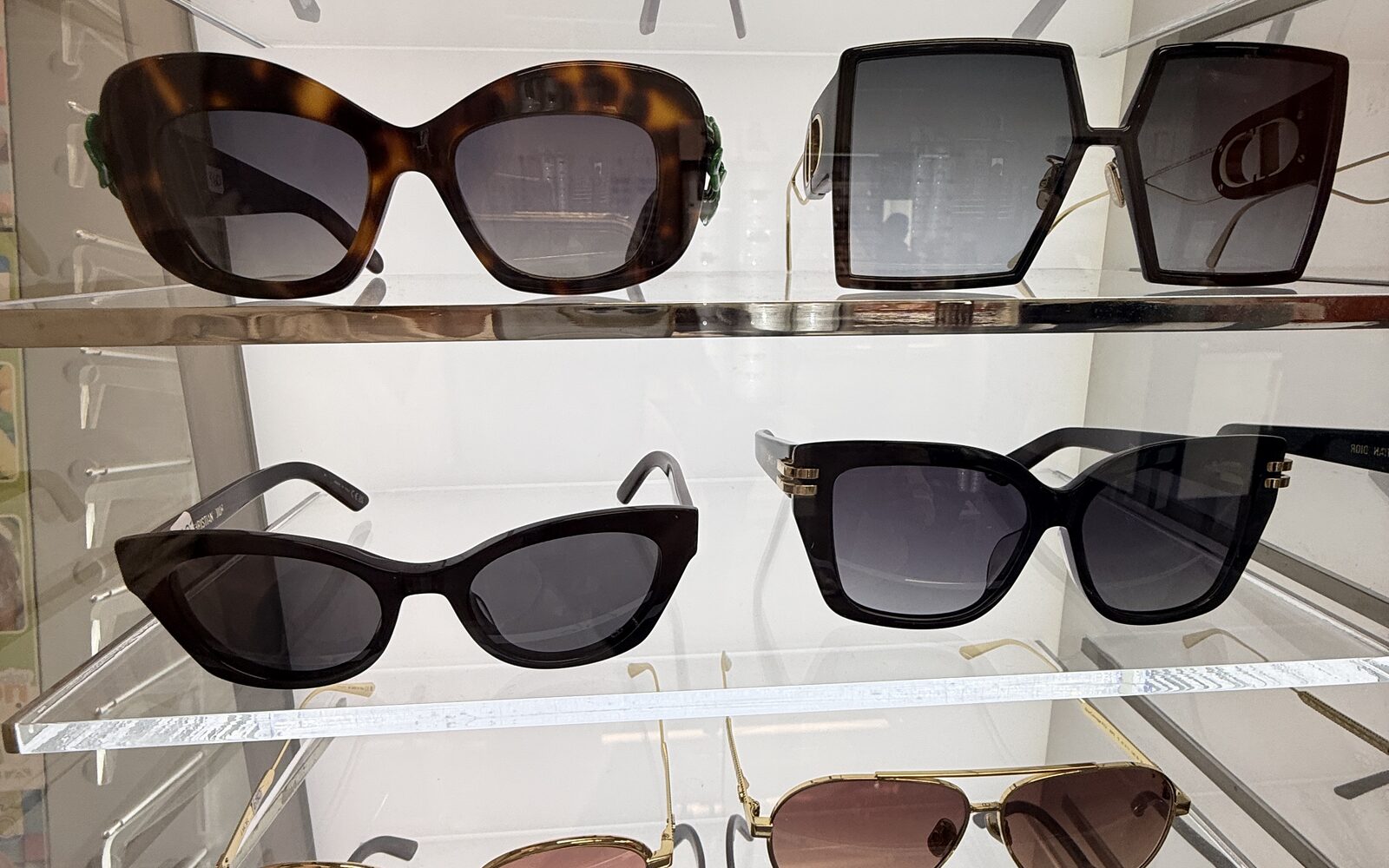
Price does not equal protection. A ten‑dollar pair labelled "100% UV400" can be better than a designer pair without proper certification. When you shop, look for:
- UV400 or "blocks 100% of UVA and UVB" — this is the most important label.
- Polarized lenses for driving, water, and snow — they cut glare from horizontal surfaces.
- Wraparound or large frames to reduce light coming in from the sides.
- Lens category 2 or 3 for everyday sunny conditions; category 4 only for very bright environments like glaciers (not for driving).
Dark lenses without UV protection are actually worse than no sunglasses, because they cause the pupil to dilate and let in more UV. Always check the label.
Winter, snow, and water — the surprise UV seasons
Patients are often surprised when I bring up sunglasses in February. Snow reflects up to 80% of UV light, water around 10%, and sand close to 25%. That reflected light hits the eye from below, which is exactly the angle a hat brim cannot block. Skiing, snowboarding, skating outdoors, ice fishing, and even shovelling on a bright morning are all situations where I recommend wraparound polarized lenses. I cover this in more detail in winter UV protection: why sunglasses matter in the snow.
Snow blindness in plain language
Photokeratitis, also called snow blindness, is essentially a sunburn on the cornea. Symptoms usually appear several hours after exposure and can include:
- Gritty, painful eyes that feel full of sand
- Tearing and severe light sensitivity
- Blurred vision and headache
- Red, swollen eyelids
It typically heals on its own within 24 to 72 hours, but it is painful, and it is a reminder of how vulnerable the front of the eye is to UV. If symptoms are severe, do not improve, or only affect one eye, please book an urgent visit rather than waiting it out.
The long game: cataracts and macular degeneration
The slower, quieter damage from UV is what concerns me most over a lifetime. Studies consistently link UV exposure to earlier cataract formation, particularly cortical cataracts, and to increased risk of age‑related macular degeneration. These conditions develop over decades, which is why I would rather have the sunglasses conversation with a 25‑year‑old than only with a 65‑year‑old. The earlier the habit starts, the more eye health it preserves.
Sunglasses are part of the eye exam, not separate from it
When a patient comes in for a comprehensive eye exam, we are not only checking the prescription. We are looking at the lens for early cataract changes, the macula for pigment changes, the eyelids for sun‑related skin lesions, and the conjunctiva for pterygium and pinguecula. UV history is part of that picture, and it changes what we recommend going forward — clip‑ons, prescription sunglasses, photochromic lenses, or a separate dedicated pair.
Simple habits I ask every patient to try
- Keep one pair of UV400 sunglasses in the car and one near the front door.
- Wear sunglasses on cloudy days — up to 80% of UV passes through clouds.
- Add a wide‑brim hat for hours outdoors; it cuts UV reaching the eyes by roughly 50% on top of sunglasses.
- Replace scratched lenses; deep scratches scatter light and can cause glare and eye strain.
- Book an eye exam at least every two years, or yearly if you are over 65, diabetic, or have a family history of eye disease.
When to book a visit
Book sooner rather than later if you notice persistent glare, halos around lights, new floaters, a growth on the white of the eye, or a spot on an eyelid that bleeds or will not heal. Many UV‑related changes are easier to manage when they are caught early, and a quick conversation in the exam chair is often enough to put together a plan that fits your lifestyle.
If you are due for an eye exam, or if you have never had a serious conversation about UV protection, I would be glad to walk through it with you in person.
Ready to book your eye exam?
Book an appointment with Dr. Roxanna Gangi today at the Toronto and York Region location most convenient for you.
Book an Appointment