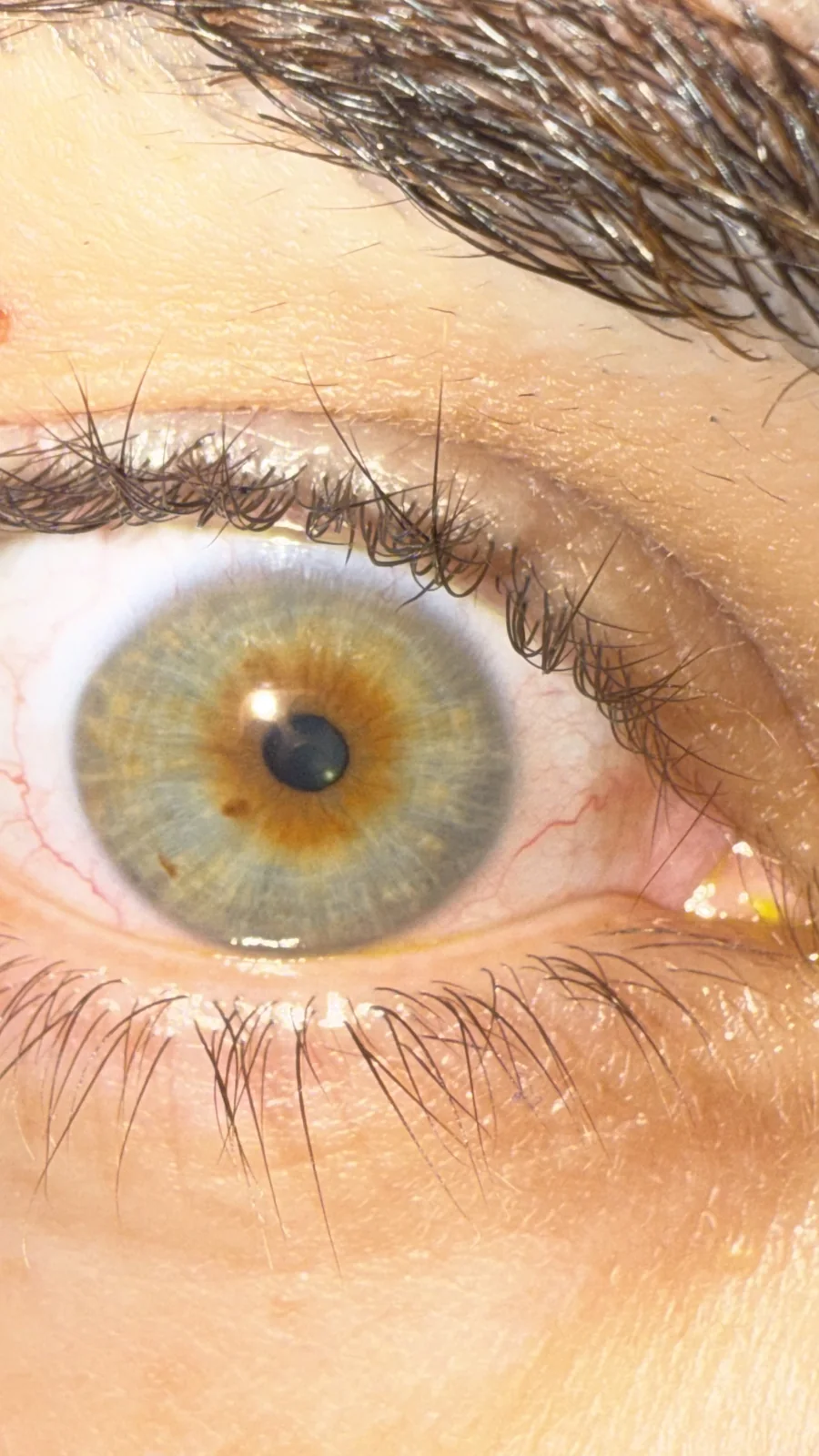
Can Stress Actually Cause Dry Eyes? (The Surprising Truth and How to Find Relief)
Written or medically reviewed by Dr. Roxanna Gangi, Optometrist
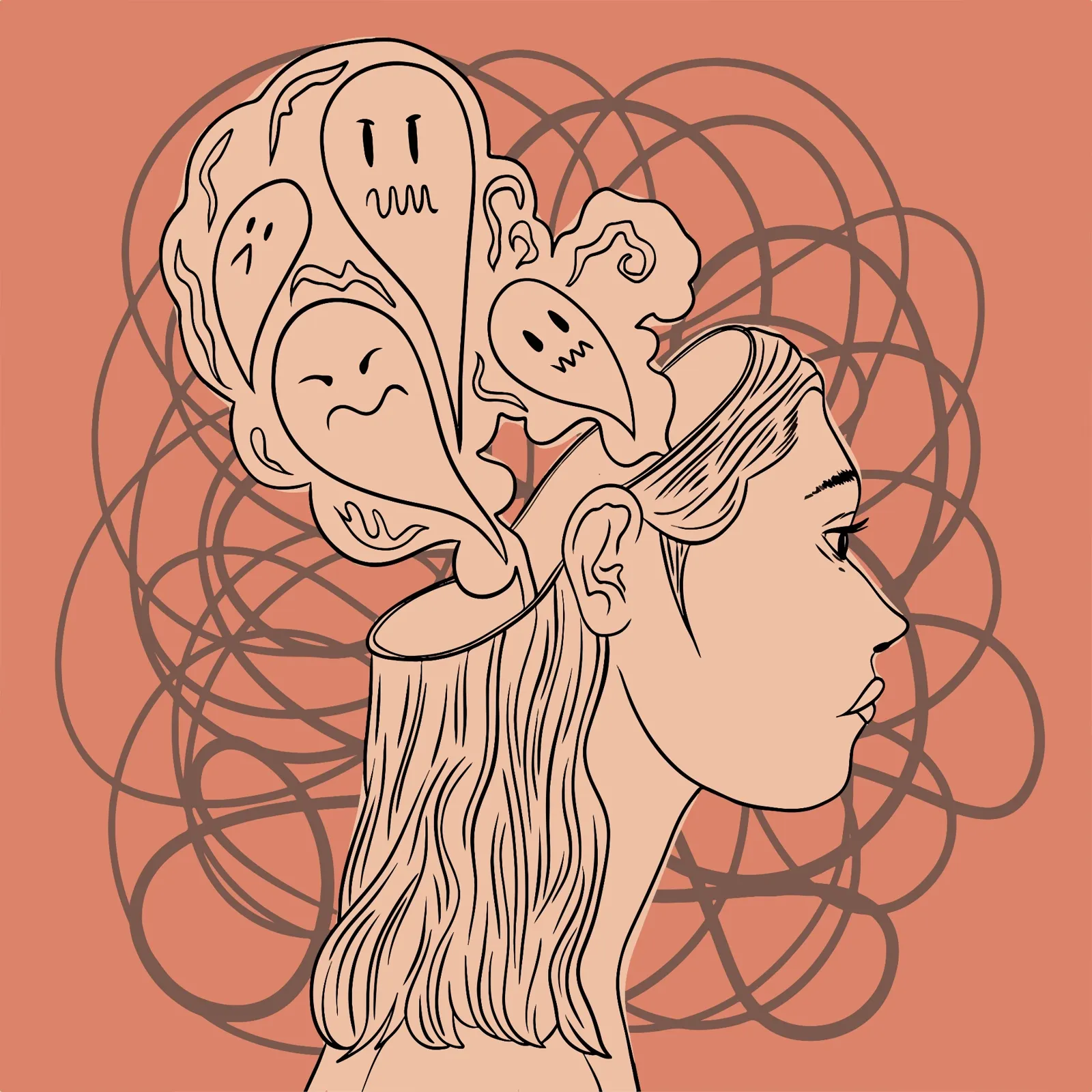
Most people think of stress as something that affects the mind or muscles. Tense shoulders. Tight jaws. Headaches. Trouble sleeping.
But stress can also affect your eyes more than many people realize.
If your eyes tend to feel gritty, tired, watery, blurry, or irritated during stressful periods, you are not imagining it. There is a very real connection between stress and dry eye symptoms.
Dr. Roxanna Gangi often sees patients whose eye discomfort becomes noticeably worse during busy, emotionally demanding, or screen heavy periods of life.
The connection between emotional stress, inflammation, screen habits, and tear quality is surprisingly strong.
How stress affects your tear system
Dry eye disease is not simply about “not having enough tears.”
Healthy tears are part of a very delicate system involving nerves, oil glands, inflammation control, blinking patterns, and overall ocular surface balance. Stress can disrupt several parts of this system at once.
Stress changes how your body prioritizes energy
When stress levels rise, the body shifts into a “fight or flight” state. During that process, the nervous system temporarily redirects energy toward critical survival functions and away from maintenance functions — including healthy tear production.
This may contribute to reduced tear stability and increased eye dryness.
Stress increases inflammation
Long term stress can increase inflammatory activity throughout the body. That inflammation may affect the eyelids and meibomian glands, which produce the protective oils that keep tears from evaporating too quickly.
When these oil glands become unstable, tears dry out much faster, leading to burning, fluctuating vision, and irritation.
Screen time and the “stress stare”
One of the biggest hidden contributors is something Dr. Roxanna Gangi sometimes jokingly calls the “stress stare.” When people are anxious, overwhelmed, or deeply focused on work, they tend to blink far less frequently.
This is especially common during:
- computer work
- phone scrolling
- studying
- gaming
- multitasking
Reduced blinking dramatically increases tear evaporation and eye fatigue. Many patients experiencing stress related dry eye symptoms are also unknowingly dealing with significant digital eye strain at the same time.
Why stress can make eye discomfort feel worse
Stress does not only affect the eyes physically. It can also affect how the brain processes discomfort and irritation. When the nervous system is already overloaded, even mild dry eye symptoms may feel more intense, distracting, or exhausting.
This often creates a frustrating cycle:
- stress worsens dry eyes
- dry eyes disrupt focus, sleep, and comfort
- discomfort increases stress levels further
Breaking this cycle usually requires addressing both the physical symptoms and the underlying lifestyle factors contributing to them.
Small habits that can help your eyes feel better
Even simple daily changes can make a noticeable difference. Dr. Roxanna Gangi often recommends:
- following the 20 20 20 rule during screen use
- taking short visual breaks throughout the day
- practicing full conscious blinking
- improving sleep quality
- reducing excessive screen exposure
- staying hydrated
- managing indoor air dryness
- supporting eye health through nutrition
Patients interested in nutrition and eye wellness can also explore Nutrition for Sight: Top Foods to Help Protect Your Vision.
How Dr. Roxanna Gangi helps patients with dry eye symptoms
Dry eye treatment is highly personalized because every patient’s tear system is different.
Through Dry Eye Therapy & Management, Dr. Roxanna Gangi evaluates tear quality, gland function, ocular surface health, and lifestyle factors to identify the underlying causes of irritation.
Treatment recommendations may include:
- heated eye masks
- artificial tears
- gland support therapies
- nutritional recommendations
- environmental adjustments
- prescription treatment when necessary
Comprehensive Eye Exams also help identify whether outdated prescriptions, eye strain, or other ocular conditions may be contributing to discomfort.
For older adults, Senior Eye Care visits are especially important because natural tear production often decreases with age. Patients can also learn more in Senior Eye Exams in Ontario: What OHIP Covers and Why They Matter and Diabetes and Eye Health: Why Regular Diabetic Eye Exams Matter. For readers curious about how the eyes reflect overall health, The Eye Brain Connection: What Your Retina May Reveal About Alzheimer’s Disease is a helpful next read.
A note from Dr. Roxanna Gangi
Modern life places enormous demands on both the mind and the eyes. You should not have to accept burning, tired, irritated eyes as simply part of being busy.
If dry eye symptoms are interfering with your comfort, focus, reading, computer work, or quality of life, a personalized eye evaluation may help uncover the underlying causes.
Dr. Roxanna Gangi proudly provides dry eye evaluations, comprehensive eye exams, and personalized eye care across Aurora, Newmarket, Thornhill, Vaughan, Richmond Hill, and York Region.
If your eyes have been feeling persistently dry, irritated, or exhausted, book an appointment with Dr. Roxanna Gangi for a personalized dry eye evaluation.
Frequently asked questions
Can stress really cause dry eyes?
Yes. Stress can reduce tear stability, increase inflammation around the meibomian glands, and lower how often you blink — all of which can contribute to dry, burning, or fatigued eyes.
What are common dry eye symptoms linked to stress?
Burning, gritty sensation, watery eyes, blurry or fluctuating vision, light sensitivity, and eye fatigue are some of the most common symptoms patients describe during stressful periods.
How is stress related dry eye treated?
Through a personalized dry eye evaluation, Dr. Roxanna Gangi assesses tear quality and gland function, then may recommend heated masks, artificial tears, gland support therapies, lifestyle adjustments, or prescription treatment when needed.
Ready to book your eye exam?
Book an appointment with Dr. Roxanna Gangi today at the Toronto and York Region location most convenient for you.
Book an Appointment