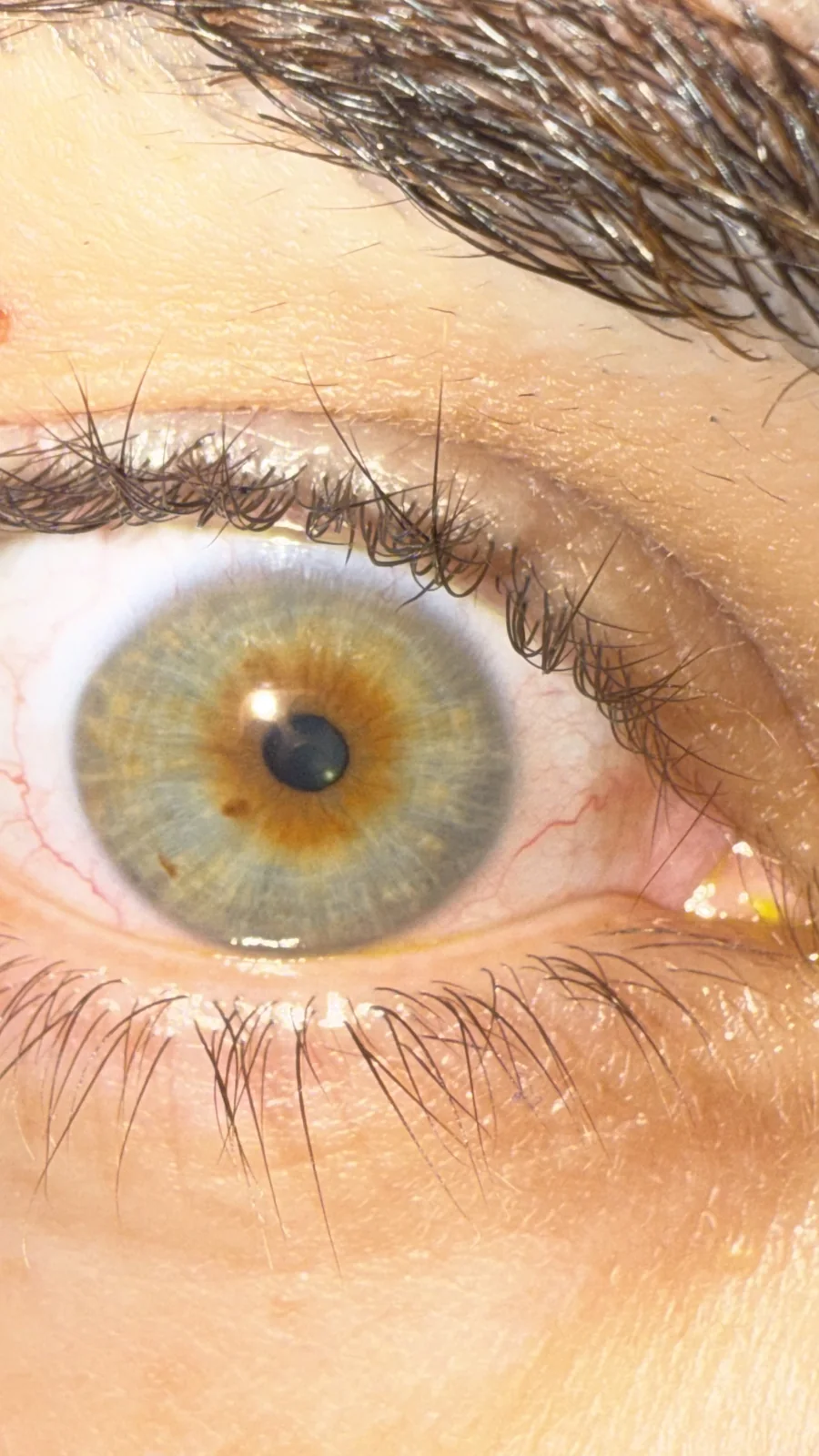
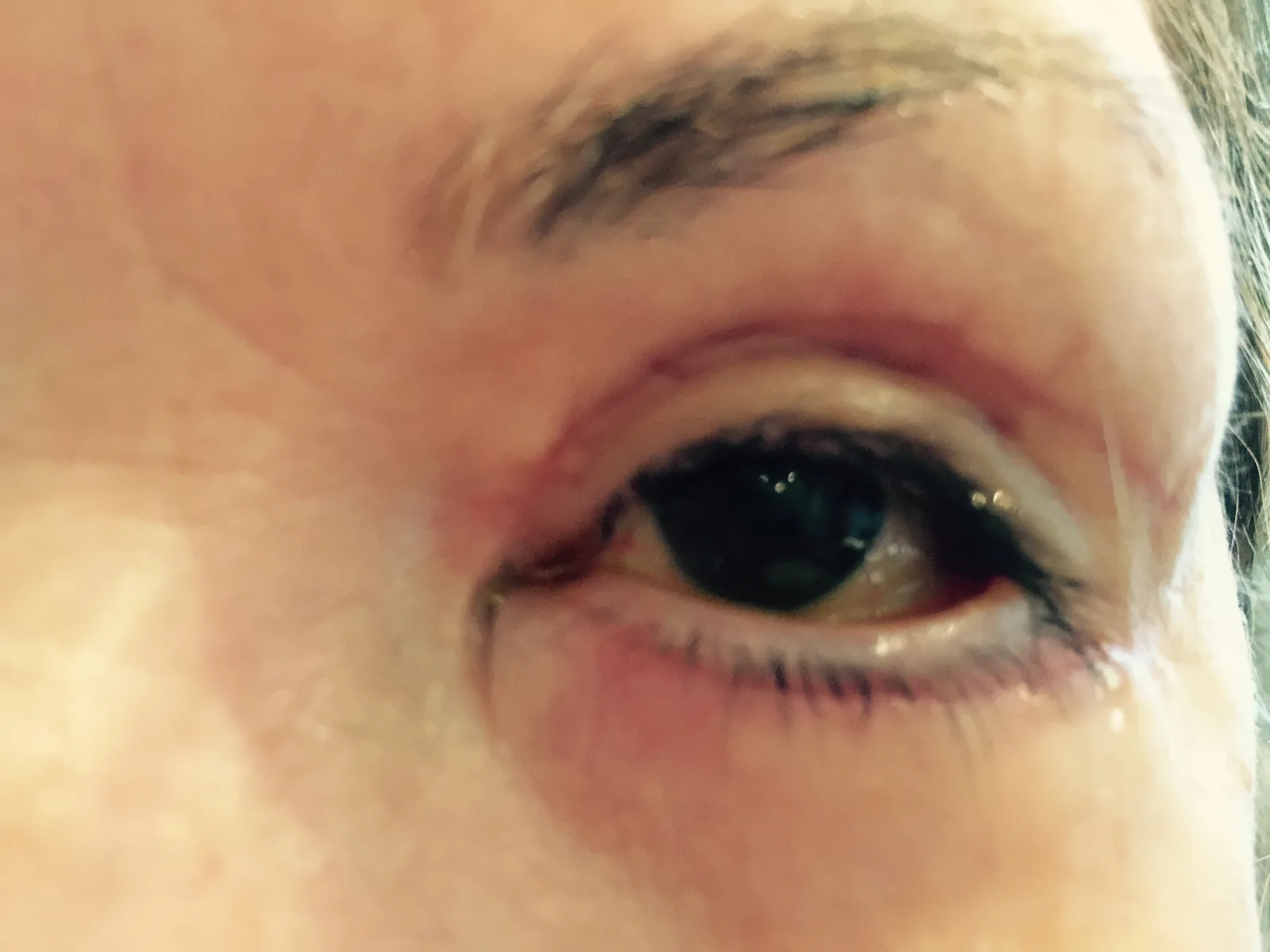
Eye Allergies vs Dry Eye: How to Tell the Difference
Written or medically reviewed by Dr. Roxanna Gangi, Optometrist
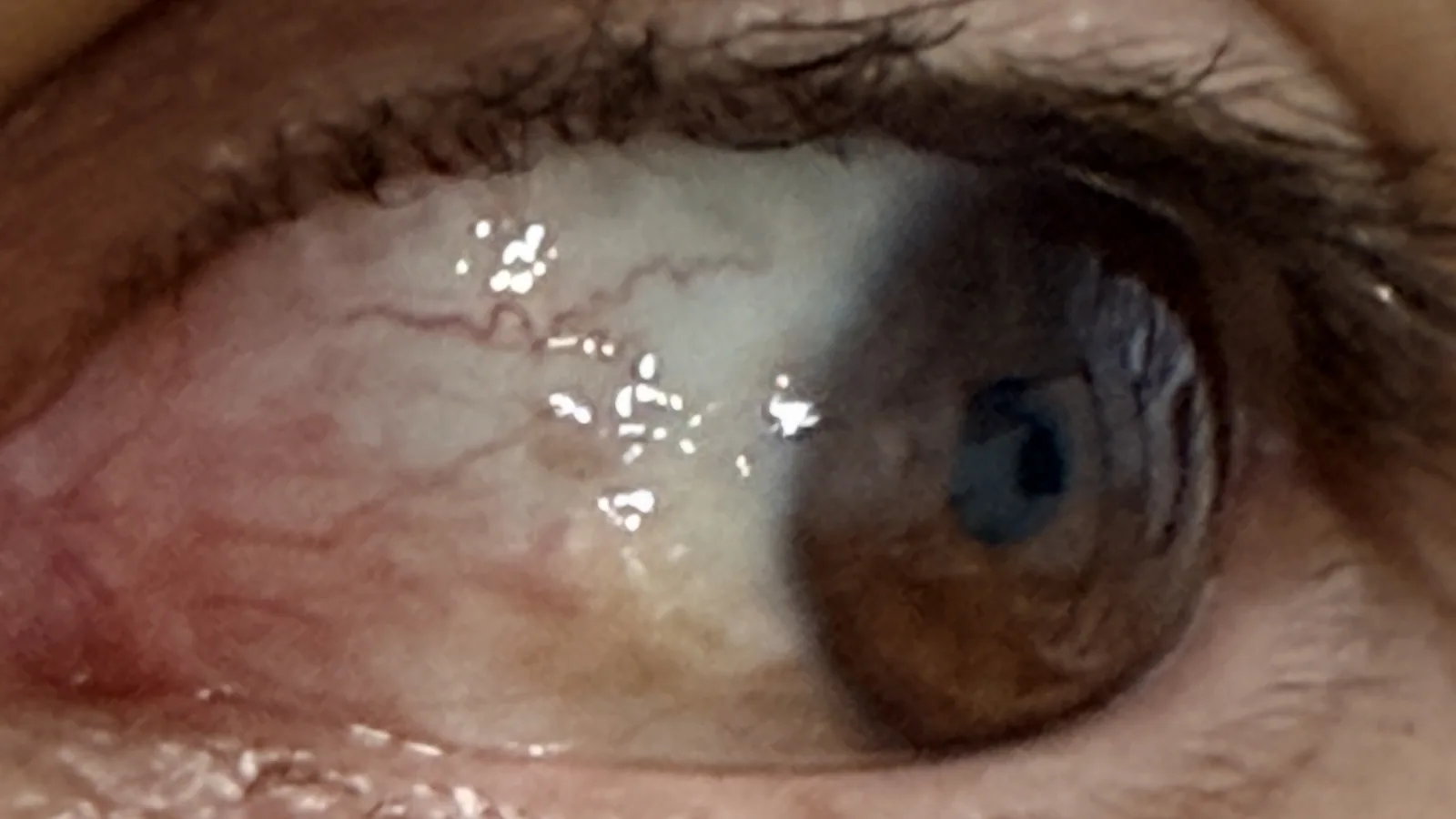
Key takeaways
- Eye allergies and dry eye disease cause similar symptoms but need opposite treatments.
- Itching is the strongest sign of allergies. A gritty, burning sensation usually points to dry eye.
- Some over-the-counter allergy drops dry the eye further, so reaching for the wrong bottle can prolong the problem.
- If symptoms last more than a couple of weeks, a proper assessment is the fastest way back to comfort.
It happens every spring and every fall.
The wind picks up.
The pollen count climbs.
Patients walk into the clinic rubbing their eyes and saying the same thing.
“My allergies are back.”
Sometimes they are right.
Sometimes they are not.
That distinction matters more than most people realize, because the question of eye allergies vs dry eye comes up almost every week in the exam room, and the two conditions can look nearly identical from the outside. Dr. Roxanna Gangi sees this overlap so often that it has become one of the most common conversations in the clinic between March and November.
Why the Two Are So Easily Confused
Patients almost always describe the same handful of things.
Red eyes.
Watering.
A feeling that something is in there.
Eyes that feel tired by the end of the day.
These symptoms overlap because the surface of the eye only has a limited number of ways to complain. Whether the trigger is pollen or a poor tear film, the eye reacts in similar ways. It gets red. It produces more tears. It lets you know something is wrong.
The clues that actually separate the two are small and easy to miss without a proper look. Many of them sit inside the larger family of common eye conditions we assess during a routine exam.
The Quick Comparison
| Symptom | Eye allergies | Dry eye |
|---|---|---|
| Itching | Strong, often the main complaint | Usually mild or absent |
| Burning or grittiness | Possible | Common |
| Watery eyes | Often | Often (reflex tearing) |
| Swollen, puffy lids | Common | Rare |
| Worse with screens | No clear pattern | Yes, almost always |
| Seasonal pattern | Spring and fall | Year-round, worse with heat or wind |
When It Is Most Likely Allergies
The hallmark of an allergic reaction in the eye is itch.
Not discomfort.
Not pressure.
Actual itch, usually in both eyes at the same time, and often paired with a runny nose, sneezing, or a scratchy throat.
The lids tend to look a little puffy. The whites of the eyes take on a pink, slightly swollen appearance rather than a sharp red. Symptoms come and go with exposure. Better indoors with the windows closed. Worse after time spent outside on a windy day.
When It Is More Likely Dry Eye
Dry eye behaves differently.
The dominant feeling is a gritty, burning sensation, as if a fine layer of sand is sitting on the surface of the eye.
Vision can blur for a few seconds and then clear when you blink.
Symptoms get noticeably worse during long stretches at a screen, in air-conditioned rooms, or in heated indoor air during the winter. They are typically less seasonal and more lifestyle-driven.
A short in-clinic dry eye assessment can confirm what is happening on the surface of the eye and how stable your tear film actually is.
Why the Wrong Drops Make Things Worse
This is where a lot of patients get caught.
Over-the-counter antihistamine eye drops are designed to reduce the allergic response, and they do that job well. But many of them also reduce tear production as a side effect.
For someone with true allergies, that trade-off is usually worth it.
For someone whose real problem is dry eye, those same drops can leave the eye even drier than it was to begin with. The redness goes down for an hour or two, then comes back stronger. Dr. Roxanna Gangi often hears patients describe it the same way: “The drops stopped working.”
The drops did not stop working. They were never the right tool for the job.
A targeted plan for dry eye looks completely different and often involves lid hygiene, preservative-free lubricating drops, and sometimes in-office treatment. We cover the modern options in our guide to dry eye disease and modern treatment options.
What You Can Do at Home First
For mild, clearly seasonal symptoms, a few small changes often help.
- Rinse the face and lids with cool water after spending time outside.
- Use a clean, cool compress on closed lids for five minutes.
- Keep windows closed on high-pollen days and rely on filtered air indoors.
- Switch to preservative-free lubricating drops rather than redness-relief drops.
- Take regular screen breaks, especially if the eyes feel worse late in the day.
Lifestyle factors matter more than people expect. Sleep, hydration, and even stress levels all influence how the tear film behaves day to day.
When to book an appointment
If symptoms have lasted longer than two weeks, are affecting your vision, are only in one eye, or have not responded to over-the-counter drops, a proper assessment is the next step. Dr. Roxanna Gangi will examine the surface of the eye, the tear film, and the lid margins to identify the actual cause rather than treating it blindly.
Eye allergies and dry eye can absolutely coexist, and many patients are managing both at once without realizing it. The fastest way back to comfortable eyes is knowing which one is driving things on any given week, and treating that, not the other.
Ready to book your eye exam?
Book an appointment with Dr. Roxanna Gangi today at the Toronto and York Region location most convenient for you.
Book an Appointment