Smart Glasses and Wearables: How Tech is Changing Eye Care
Written or medically reviewed by Dr. Roxanna Gangi, Optometrist
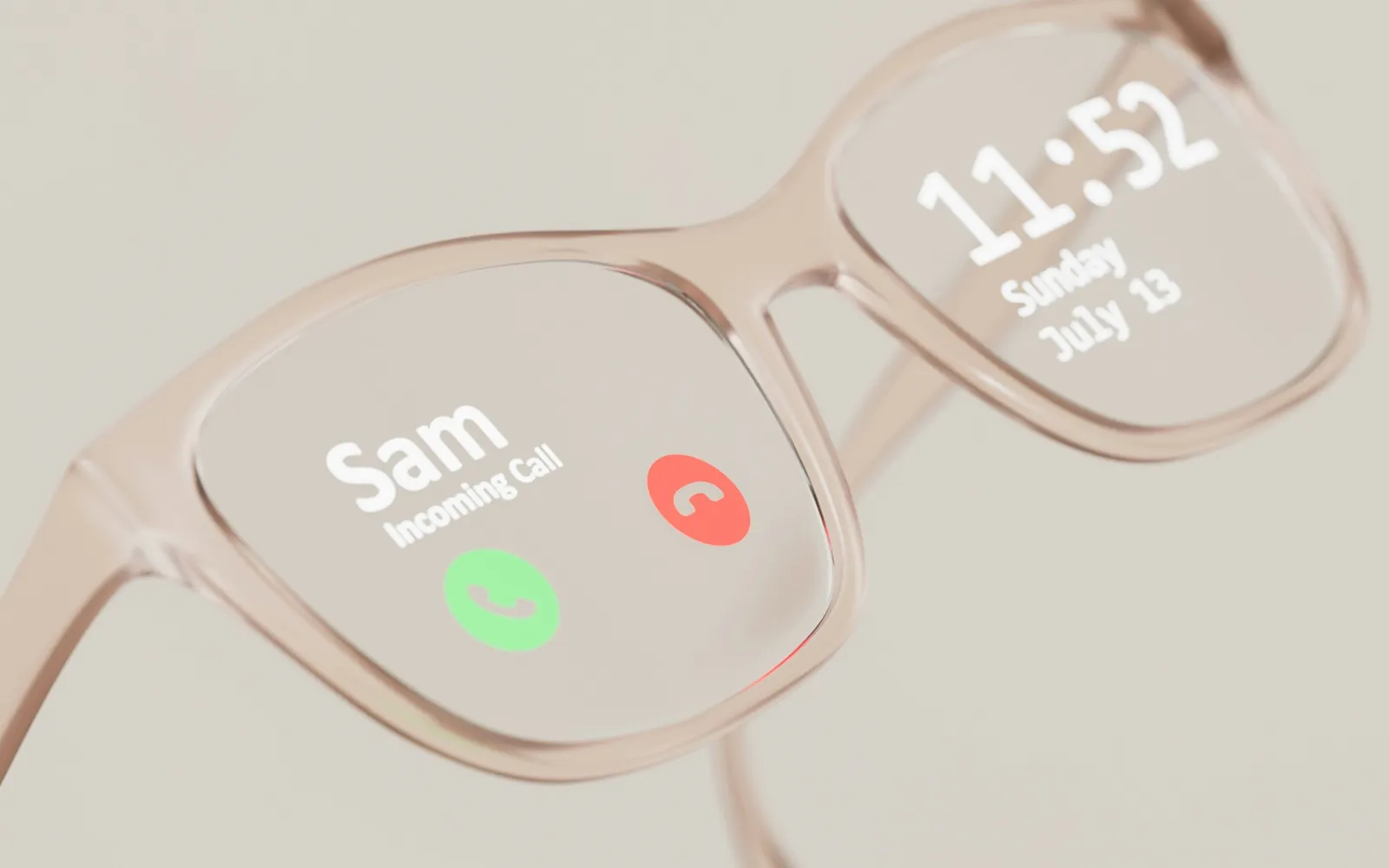
Eye care is getting more connected.
Smart glasses can take calls, show information, track habits, support accessibility, or pair with apps. Wearable devices can track sleep, heart rate, movement, and health patterns. Vision apps can remind you to take screen breaks or test basic visual awareness.
Some of this is genuinely useful.
Some of it is marketing.
Dr. Roxanna Gangi takes a balanced view: technology can help you notice patterns, but it cannot replace a proper eye exam.
What smart eyewear can actually do
Smart eyewear 2026 can mean many things.
Some smart glasses focus on convenience, like audio, calls, cameras, or navigation. Some newer lenses focus on comfort, light sensitivity, screen use, or myopia control. Some devices are designed to support people with low vision or accessibility needs.
That is exciting.
But smart does not automatically mean medical.
A device can assist your daily life without being able to diagnose what is happening inside your eye.
Wearable health data can be useful
Your eyes do not live separately from the rest of your body.
Sleep, blood sugar, blood pressure, inflammation, medications, and general health can all affect eye comfort and vision.
So wearable health data can be useful. If your sleep is poor, your eyes may feel more tired. If screen time is high, digital eye strain may increase. If diabetes or blood pressure is part of your health picture, the eyes may need closer monitoring.
That is why wearable health trends can support better conversations.
But data is not the same as diagnosis.
Why technology cannot replace an eye exam
A wearable can track. An app can remind. A smart lens can help. An online test can raise awareness.
But none of these can fully examine your retina, optic nerve, eye pressure, cornea, tear film, lens, focusing system, or eye coordination.
Think of technology like the warning light on a car dashboard. It can tell you something deserves attention, but it does not replace opening the hood.
That is why online tests should be treated as awareness tools, not final answers.
For the full picture, Dr. Roxanna Gangi needs to examine your eyes directly.
Smart glasses and children’s myopia
One of the most important areas in vision tech trends is childhood myopia.
Newer lens technologies are being designed to help slow myopia progression in some children. These are different from standard glasses because they are designed with specific optics for myopia management.
If your child is becoming more nearsighted, read The Rise of Myopia in Children: What Parents Need to Know.
This is a good example of technology being helpful when it is guided by proper clinical care.
Tech can support better habits
Technology can help with reminders.
Take a screen break. Blink more. Adjust brightness. Stand up. Sleep better. Track symptoms. Notice patterns.
For digital eye strain, even a simple reminder to follow the 20 20 20 rule can help.
But if your symptoms keep returning, the issue may be dry eye, an outdated prescription, focusing problems, contact lens discomfort, or another eye health concern.
That needs an exam.
Why Dr. Roxanna Gangi still asks human questions
Eye care is not only measurements.
Dr. Roxanna Gangi wants to know how you actually use your eyes.
Are you on screens all day?
Do you drive at night?
Do you wear contacts?
Do your eyes feel dry?
Do your child’s eyes seem to be changing?
Do symptoms improve on weekends?
Technology can collect data, but your story gives that data meaning.
The takeaway
Smart glasses and wearables are changing eye care, and some tools may be helpful.
But they are tools.
They cannot replace the clinical judgment, direct examination, and medical context of a proper eye exam.
You can book an appointment with Dr. Roxanna Gangi, visit the services page, or learn more about Dr. Roxanna Gangi.
The best way to protect your vision is with a comprehensive eye exam.
Related articles
- Why Your 2026 Eye Exam Is More Than a Prescription Update
- The Rise of Myopia in Children: What Parents Need to Know
- The 20 20 20 Rule: Ending Digital Eye Strain in the Remote Work Era
Dr. Roxanna Gangi welcomes patients across the GTA. See all clinic locations to find the most convenient office for you.
Ready to book your eye exam?
Book an appointment with Dr. Roxanna Gangi today at the Toronto and York Region location most convenient for you.
Book an Appointment