Seeing Double? Here's What Your Eyes May Be Trying to Tell You
Written or medically reviewed by Dr. Roxanna Gangi, Optometrist
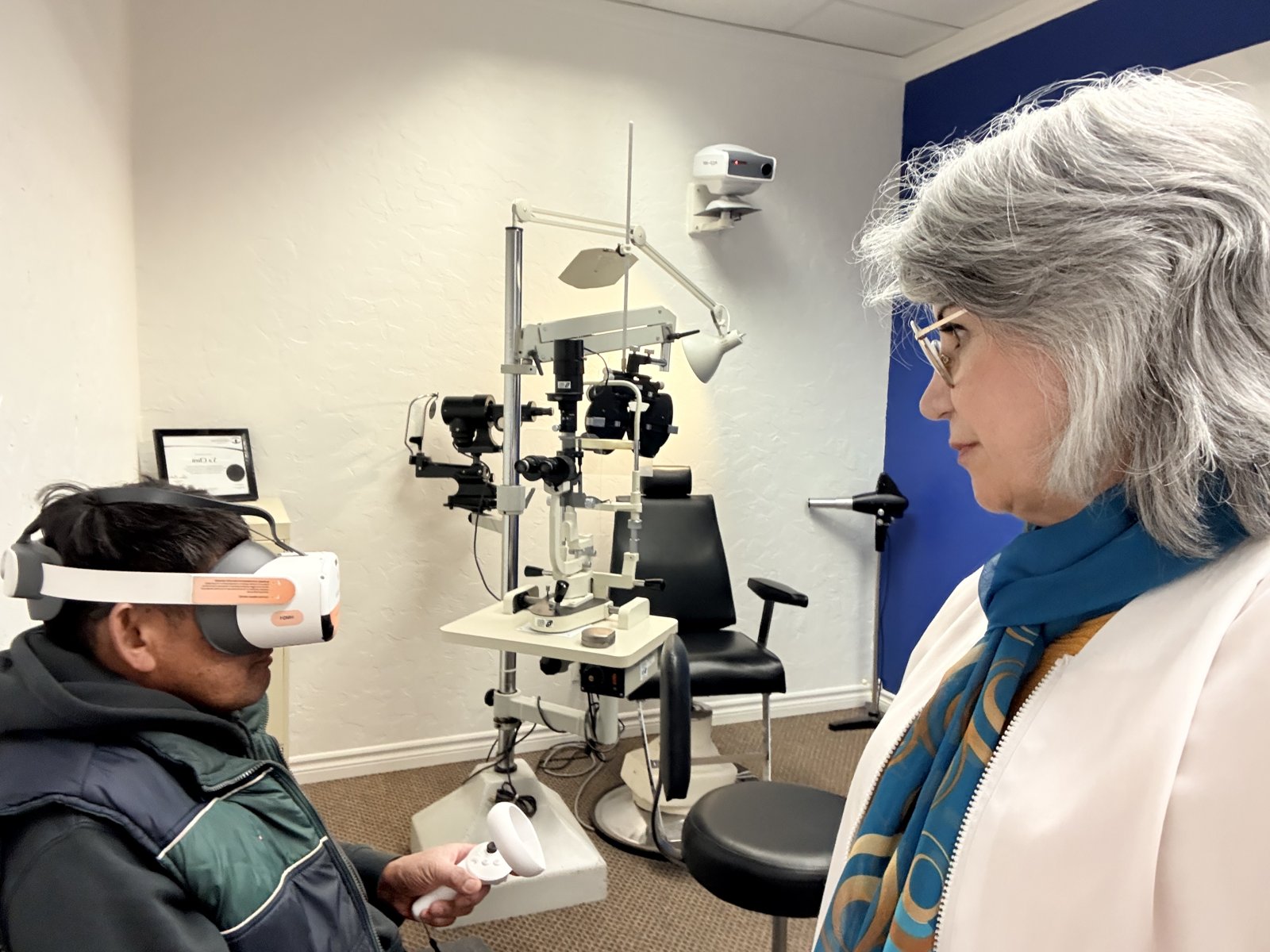
Seeing double can be unsettling. Whether it happens occasionally or appears suddenly out of nowhere, double vision is something I never want my patients to ignore. As an optometrist who has been examining patients across York Region for years, diplopia is one of the symptoms I take most seriously in the exam chair. You can read more about my background and approach here.
The good news is that not every cause of double vision is serious. Sometimes it comes down to dry eyes, eye strain, or a focusing issue. In other cases, however, double vision can be an early sign of a neurological or medical condition that needs prompt attention.
Knowing the difference is what helps you decide when it is time to be seen.
What Is Double Vision?
Double vision, medically called diplopia, occurs when you see two images of a single object instead of one. The images may sit side by side, one above the other, or slightly tilted.
Some people only notice it when they are tired, reading, driving, or spending long hours on a screen. Others wake up with sudden double vision that was not there the day before.
One of the first questions I ask is whether the double vision disappears when one eye is covered. That single answer tells me a great deal about whether the problem lies in the eye itself or in the way the two eyes are working together.
Surprisingly, Dry Eyes Can Cause Double Vision
Many patients are surprised when I explain that dry eye disease can produce blurry or even double-vision symptoms.
A healthy tear film is essential for a clear optical surface. When the eyes are dry, the front of the eye becomes irregular, light scatters, and you can end up with ghost images or vision that fluctuates from blink to blink.
If you spend much of your day on computers, tablets, or phones, digital eye strain may be part of the picture. I often point patients to my article on The 20-20-20 Rule: Ending Digital Eye Strain in the Remote Work Era, and encourage them to try the Digital Eye Strain Assessment on our website.
My deeper write-up, Understanding Dry Eye Disease and Modern Treatment Options, explains how untreated dry eye can affect both comfort and clarity of vision.
Other Common Causes of Double Vision
Double vision often shows up when the eyes are not perfectly aligned. This can happen because of:
- Eye muscle imbalances
- Nerve problems affecting eye movement
- Diabetes-related nerve changes
- Thyroid eye disease
- Significant prescription changes
- Cataracts
- Certain medications
In many cases, once the cause is identified accurately, it is very treatable.
When Should You Be Concerned?
Some causes of double vision are relatively harmless. Others need urgent medical attention.
You should seek immediate care if double vision develops suddenly and is accompanied by:
- A severe headache
- Facial numbness or weakness
- Difficulty speaking
- Dizziness or loss of balance
- A droopy eyelid
- Sudden loss of vision
- Recent head trauma
These symptoms can point to a neurological condition such as a stroke and should never wait for a routine appointment.
How I Investigate Double Vision
When a patient comes to me with diplopia, my goal is not only to determine why they are seeing double, but also to rule out any serious underlying condition.
A comprehensive eye examination allows me to evaluate:
- Eye alignment and coordination
- Eye movement function
- Visual clarity and focusing ability
- Ocular surface and general eye health
- Optic nerve health
- Retinal health
Depending on what I find, I may recommend additional testing the same day.
Advanced Technology Helps Me Look Deeper
Two tests I rely on most when investigating unexplained visual symptoms are:
OCT Imaging
Optical Coherence Tomography (OCT) gives me highly detailed cross-sectional images of the retina and optic nerve. It picks up subtle structural changes that would not be visible during a standard examination.
Visual Field Testing
Visual field testing measures peripheral vision and can reveal abnormalities linked to the optic nerve, retina, glaucoma, or certain neurological conditions.
You can also try the Peripheral Vision Awareness Test on our website to get a feel for why side vision matters so much.
Services That Often Help
Patients experiencing double vision commonly benefit from the following:
Comprehensive Eye Exams
A thorough examination is the first step toward answers and an appropriate treatment plan. Seniors in Ontario may also want to read Senior Eye Exams in Ontario: What OHIP Covers and Why They Matter to understand coverage for periodic assessments.
Dry Eye Evaluations and Treatment
Because dry eye disease is such a common contributor to fluctuating vision, treating the underlying dryness with a dedicated dry eye assessment often leads to noticeable improvement.
Glaucoma Screening and Advanced Diagnostics
My advanced imaging and visual field technology help me assess the optic nerve and flag anything that needs further investigation. You can learn more in Glaucoma: Why Good Vision Does Not Always Mean Healthy Eyes.
Do Not Ignore Changes in Your Vision
Double vision is your body telling you that something is not working the way it should. Sometimes the fix is as simple as treating dry eyes or updating a prescription. Other times, deeper medical investigation is needed.
The important thing is not to guess.
If you are experiencing double vision, blurry vision, or any sudden change in your eyesight, book a comprehensive eye examination with Dr. Roxanna Gangi. Early diagnosis can protect your vision, give you peace of mind, and in some cases uncover health concerns long before they become serious.
Ready to book your eye exam?
Book an appointment with Dr. Roxanna Gangi today at the Toronto and York Region location most convenient for you.
Book an Appointment